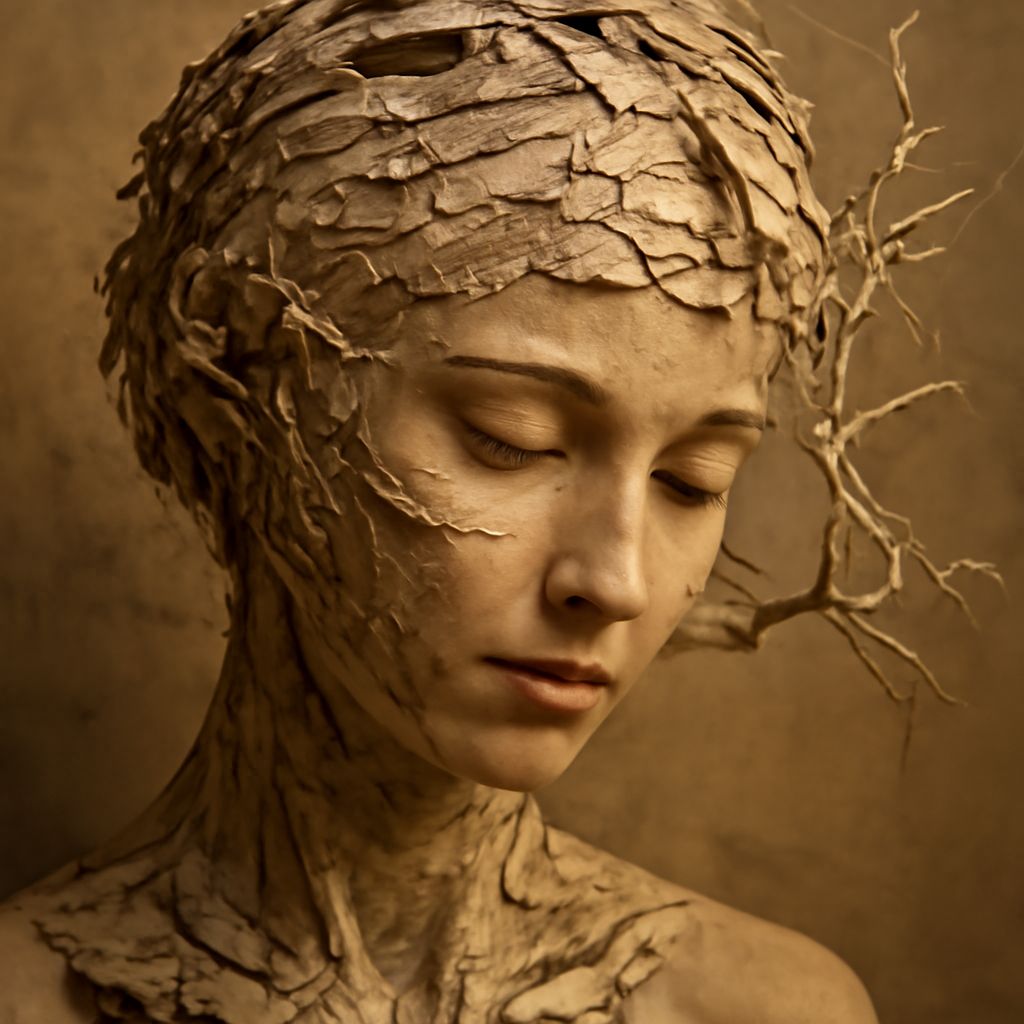
Have you ever gazed at a piece of artwork and found yourself transported to another world, where the boundaries between reality and imagination blur? This captivating experience is at the heart of surrealism drawing. From the bizarre landscapes of Salvador Dalí to the dreamlike compositions of Max Ernst, surreal painting challenges our perceptions and invites us to explore the depths of our subconscious. But what is it about surrealism art that continues to intrigue and inspire artists and audiences alike?
Surrealism art, characterized by dream-like scenes and uncanny depictions, emerged as a revolutionary force in the early 20th century. As we delve into the origins of this movement and explore its core techniques, you’ll uncover how surrealism drawing provides a unique window into the imagination. Through the works of prominent artists and the evolution into digital formats, this art form continues to transform and influence modern illustration, proving its enduring legacy.
The Origins of Surrealism Art
The surrealism art movement began in the 1920s, born from the desire to transcend traditional artistic boundaries and explore the unconscious mind. Influenced by the writings of Sigmund Freud and the political upheavals of the time, surrealists sought to reconcile dreams with reality. They used art as a medium to delve into the depths of imagination, crafting images that defied logic and reason.
Surreal painting and drawing became avenues for expressing the irrational and the fantastical. André Breton, often referred to as the founder of surrealism, published the “Surrealist Manifesto” in 1924, setting the stage for artists to freely explore themes of desire, madness, and freedom. Through the use of dream analysis and automatism, these creators pushed boundaries, crafting works that were as intriguing as they were unsettling.
Key Techniques in Surrealism Drawing
Surrealism drawing relies heavily on a set of unique techniques designed to evoke the unconscious and challenge the viewer’s perception. Automatism, a process of creating without conscious thought, is central to many surrealist works. By allowing the subconscious to guide the hand, artists can tap into the purest form of imagination.
Other techniques in surreal painting include juxtaposition—placing unrelated objects together in a single composition to create new meanings—and displacement, where familiar objects are used in unfamiliar contexts. These methods serve to create a sense of mystery and provoke thought, inviting viewers to interpret the artwork in their own way. As you explore surrealism drawing, you’ll find these techniques pivotal in crafting pieces that are both beautiful and enigmatic.
Prominent Artists in the Surrealism Art Movement
Throughout history, several artists have become synonymous with surrealism art. Salvador Dalí, perhaps the most famous of the surrealists, is known for his meticulously detailed dreamscapes that blend the bizarre with the beautiful. His work, such as “The Persistence of Memory,” continues to captivate audiences with its melting clocks and haunting landscapes.
Another key figure in the surrealism art movement is René Magritte, whose paintings often challenged viewers’ perceptions of reality with his use of ordinary objects in extraordinary settings. Meanwhile, artists like Max Ernst and Joan Miró utilized automatism to produce works that were abstract and filled with symbolic imagery. These pioneers of surreal painting have left an indelible mark on modern illustration, influencing countless artists around the world.
The Impact of Surreal Painting on Modern Illustration
Surreal painting has had a profound impact on modern illustration, inspiring artists to break free from conventional norms and explore the limitless possibilities of visual storytelling. The surrealism art movement encouraged illustrators to experiment with new media and techniques, leading to the development of styles that are bold, innovative, and deeply personal.
In contemporary illustration, elements of surrealism drawing are evident in graphic design, advertising, and even film. The movement’s emphasis on imagination and exploration has paved the way for artists to create work that is both thought-provoking and visually stunning. Whether through digital or traditional means, surreal painting continues to challenge and expand the boundaries of what art can be.
Exploring Digital Surrealism in Today’s Art World
With the advent of technology, digital surrealism has emerged as a powerful force, allowing artists to explore the depths of imagination in new and exciting ways. Digital tools enable creators to manipulate images and elements with a precision that is difficult to achieve through traditional methods. As a result, digital surrealism drawing has become a popular medium for those looking to express their unique vision.
The use of software like Photoshop and Illustrator allows artists to blend, distort, and transform elements, creating compositions that are both surreal and innovative. Digital surreal painting lets artists explore themes of transformation and surrealism art, crafting pieces that challenge the viewer’s perception and evoke emotion. As digital art continues to evolve, the possibilities for surrealism are endless.
How to Start Your Own Surrealism Drawing
If you’re intrigued by surrealism art and eager to delve into your own surrealism drawing, there are several steps you can take to get started. Begin by familiarizing yourself with the key techniques such as automatism and juxtaposition. Experiment with letting your subconscious guide your hand and explore the use of unexpected elements in your compositions.
Consider starting with sketching and brainstorming—think about the themes or ideas you wish to convey through your surreal painting. Don’t be afraid to push boundaries and embrace the unexpected. Use digital tools to enhance your creations, experimenting with color, texture, and form to bring your vision to life. Remember, surrealism is all about exploring the depths of imagination, so let your creativity run wild.
Safety Recap: When using digital tools for creating surrealism art, ensure you understand the software and maintain good practices to protect your digital work. For color care, consider the impact of screen calibration and resolution to ensure your surreal painting is vibrant and true to your vision.