How do you transform a simple sketch into a captivating piece of digital art? The answer lies in mastering the art of rendering. Rendering art is a crucial component of digital illustration, enabling you to breathe life into your creations with depth, texture, and vibrancy. This skill is essential for any artist looking to elevate their digital artwork to professional standards. But how do you begin this journey, and what tools and techniques should you embrace to enhance your artist’s rendering skills?
Understanding Rendering Art
Rendering art is the process of adding color, shading, and texture to a digital illustration to create a more realistic or stylized look. It involves turning a flat image into a dynamic piece that captures the viewer’s attention. By mastering this skill, you can enhance your understanding of light, shadow, and texture, which are critical elements in bringing your digital illustrations to life. Artist’s rendering is often used in various fields, including gaming, animation, and concept art.
In digital illustration, rendering art is more than just adding colors. It’s about understanding how different elements interact within a scene. Whether you aim for realism or a more stylized appearance, rendering is your gateway to creating visually compelling artwork. The ability to manipulate light and shadow effectively can dramatically alter the mood and impact of your work.
Tools for Artist’s Rendering
The right tools are essential for mastering artist’s rendering. Software like Adobe Photoshop, Corel Painter, and Procreate offer powerful features that cater to various rendering needs. These programs provide brush customization, layering capabilities, and texture options that allow for detailed and nuanced illustrations.
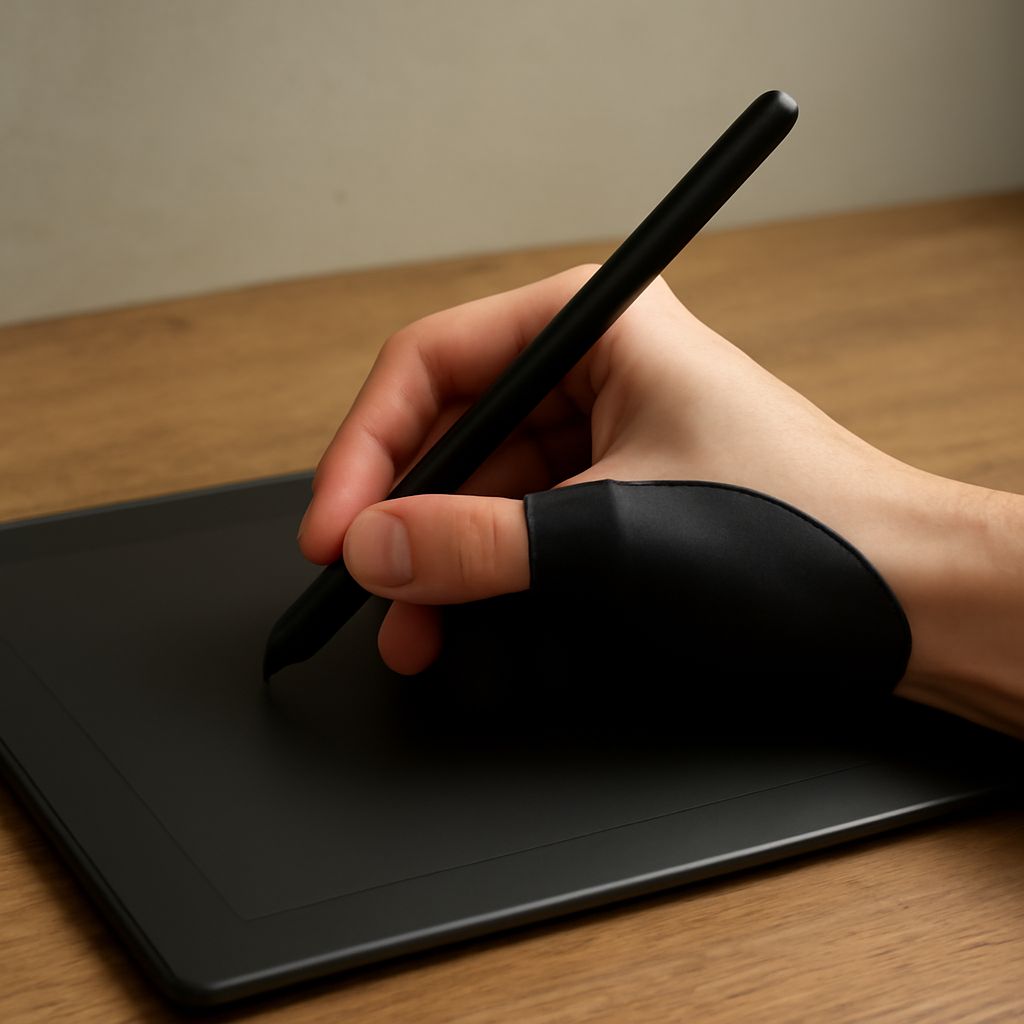
Investing in a quality graphics tablet can also significantly enhance your rendering precision. Tablets like Wacom or Huion provide the tactile feedback and pressure sensitivity necessary for detailed work. As you become familiar with these tools, you’ll find that they offer the flexibility needed to express your unique style and vision.
Techniques in Digital Rendering
Learning different techniques is key to improving your rendering art skills. One fundamental method is understanding the use of layers. Layers allow you to separate different elements of your illustration, making it easier to adjust colors, add details, or experiment with shading without affecting the entire image.
Shading and lighting are also crucial in digital rendering. Mastering these elements involves studying how light interacts with surfaces. Experimenting with different light sources and shadow techniques can help you achieve the desired depth and realism. Don’t shy away from using references; observing real-life examples can provide valuable insights into how to replicate similar effects in your artwork.
Common Challenges in Rendering Art
Rendering art can be challenging, especially for beginners. One common hurdle is achieving realistic textures. Understanding different materials and how they reflect light is crucial for creating believable surfaces. Practice is essential; gradually, you’ll develop an intuition for selecting the right brushes and techniques to achieve the desired effect.
Another challenge is maintaining consistency across your illustrations. It’s important to develop a coherent style that aligns with your artistic vision. This consistency helps in creating a recognizable and professional body of work. Regular practice and seeking feedback from peers can help identify areas that need improvement and keep your skills sharp.
Tips for Improving Your Artist’s Rendering Skills
Improving your artist’s rendering skills requires dedication and practice. Here are a few tips to guide your journey:
- Study Light and Shadow: Spend time observing how light affects different objects in various environments. This understanding will significantly improve your ability to render realistic images.
- Experiment with Brushes: Different brushes can produce various effects. Experiment with the settings in your digital illustration software to discover new textures and styles.
- Seek Critique: Join artist communities online and seek feedback on your work. Constructive criticism can provide new perspectives and highlight areas for improvement.
- Regular Practice: Set aside dedicated time each day or week to practice your rendering skills. Consistency is key to developing proficiency.
Future Trends in Rendering Art
The world of rendering art is constantly evolving, with new tools and techniques emerging regularly. As technology advances, expect to see more integration of artificial intelligence and machine learning into digital illustration tools. These advancements can automate certain tasks, allowing you to focus more on creativity and innovation.
Virtual reality and augmented reality are also poised to influence rendering techniques. As these technologies become more accessible, they offer new dimensions for digital artists to explore and create immersive experiences. Staying updated with these trends will be essential for artists looking to expand their skills and remain competitive in the field.
As you continue your journey in rendering art, remember that each piece you create is a step forward in mastering this intricate craft. Embrace the challenges, experiment with new techniques, and keep pushing the boundaries of your creativity. Your dedication will undoubtedly lead to remarkable artistic growth and expression.