Have you ever found yourself wanting to express your creativity through drawing but didn’t know where to start? Learning how to draw for beginners step by step can transform this desire into a fulfilling hobby. With the right guidance, you’ll find that sketching is not only accessible but also enjoyable. Whether you’re picking up a pencil for the first time or looking to refresh your skills, this guide will help you navigate the basics of drawing and make the experience both rewarding and fun.
Understanding the Basics of Drawing
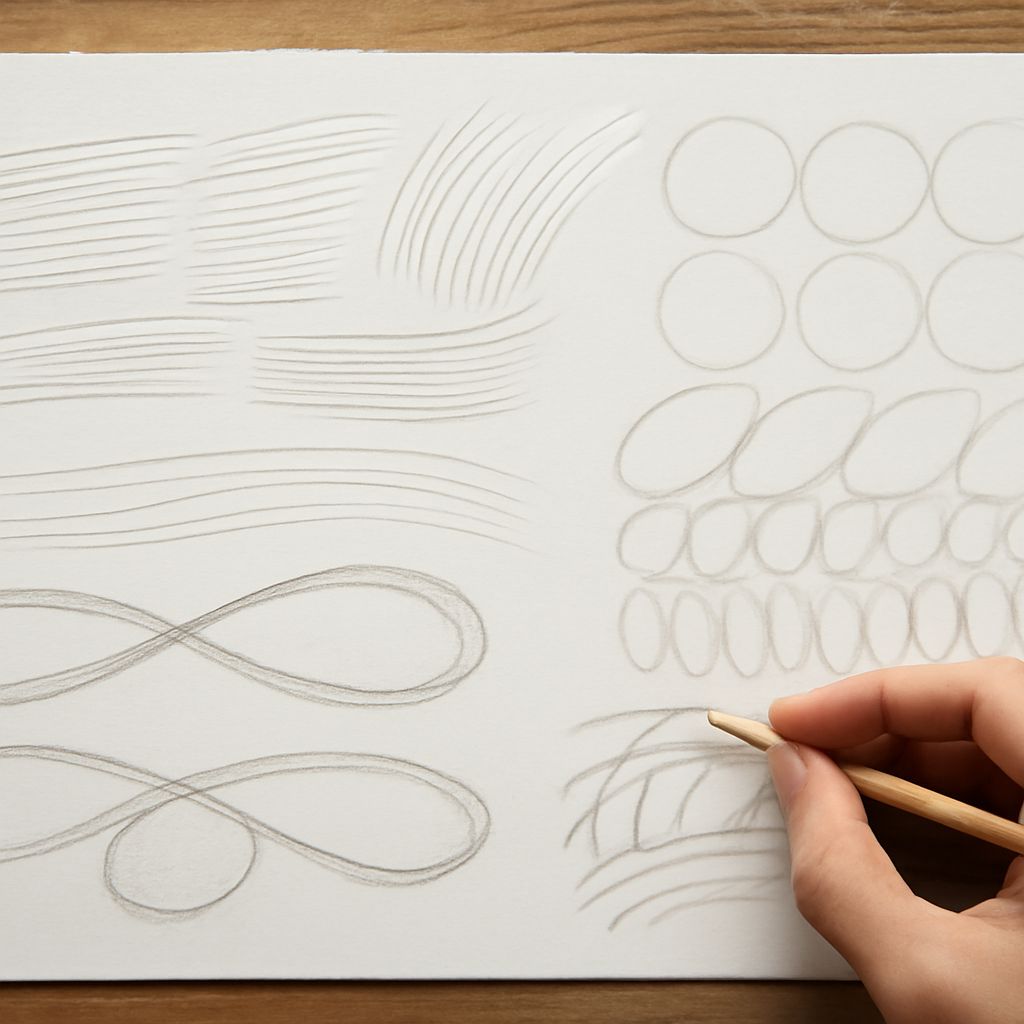
Before diving into sketching, it’s important to understand the fundamental principles of drawing. This begins with familiarizing yourself with shapes, lines, and forms. Each drawing starts with basic shapes like circles, squares, and triangles. These elements serve as the foundation upon which more complex drawings are built. Additionally, learning to manipulate lines to create texture and depth is essential.
Another key aspect is developing an eye for proportions. Understanding how different elements relate to each other in size and position within your artwork can drastically improve the accuracy and realism of your sketches. Regular practice in observing and replicating proportions will enhance your overall drawing skills.
Tools You Need for Sketching
The right tools can make a huge difference when learning how to draw for beginners step by step. Start with a basic set of pencils ranging from hard to soft, such as 2H to 8B. Hard pencils are great for light sketches, while softer pencils are ideal for shading and adding depth.
You’ll also need good quality paper—preferably sketch pads that can handle different pencil strokes and erasing without tearing. An eraser, preferably a kneaded one, allows for easy correction and shading adjustments. Consider investing in a sharpener that keeps your pencils in optimal condition.
How to Draw for Beginners Step by Step
Starting with simple objects is key in mastering how to draw for beginners step by step. Begin by identifying the basic shapes within the subject, then gradually refine these into more detailed forms. Sketch lightly at first to easily erase and adjust the drawing as needed.
Focus on one element at a time. For example, if drawing a face, start with the outline before moving to individual features like eyes and mouth. Pay attention to light and shadow, enhancing your drawing with gradients to create a three-dimensional effect.
Common Mistakes and How to Avoid Them
One frequent mistake is pressing too hard with your pencil, which can lead to unwanted marks that are difficult to erase. Use a lighter touch, which allows for easy modifications. Overcomplicating a drawing too soon is another common error. Stick to basic shapes at first and build complexity gradually.
Impatience can hinder your progress. Take your time to fully develop your skills, and don’t rush through projects. Remember, each line and mark is part of your learning curve. Regular practice will naturally lead to improvement.
Practice Exercises to Improve Your Skills
To refine your skills, engage in regular practice exercises. Try sketching everyday objects around you, focusing on capturing their essence with basic shapes. Experiment with shading techniques by creating a gradient scale from light to dark using different pencil pressures.
Gesture drawing is another valuable exercise. Spend a few minutes capturing the movement and flow of a subject, which enhances your ability to draw dynamic and lively sketches. Incorporating these practices into your routine will strengthen your capabilities over time.
Finding Inspiration for Your Sketches
Drawing inspiration can be found everywhere. Nature, urban landscapes, and even everyday interactions provide endless subjects for sketching. Keep a sketchbook handy to jot down ideas or quick sketches whenever inspiration strikes.
Joining a drawing community, either online or locally, can also spark creativity. Sharing your work and receiving feedback from others will not only inspire you but also provide new perspectives and techniques to explore.
Embrace the journey of learning how to sketch for beginners, and remember that each drawing is a step towards mastering your craft. With dedication and passion, your skills will grow, and the joy of drawing will continue to flourish.