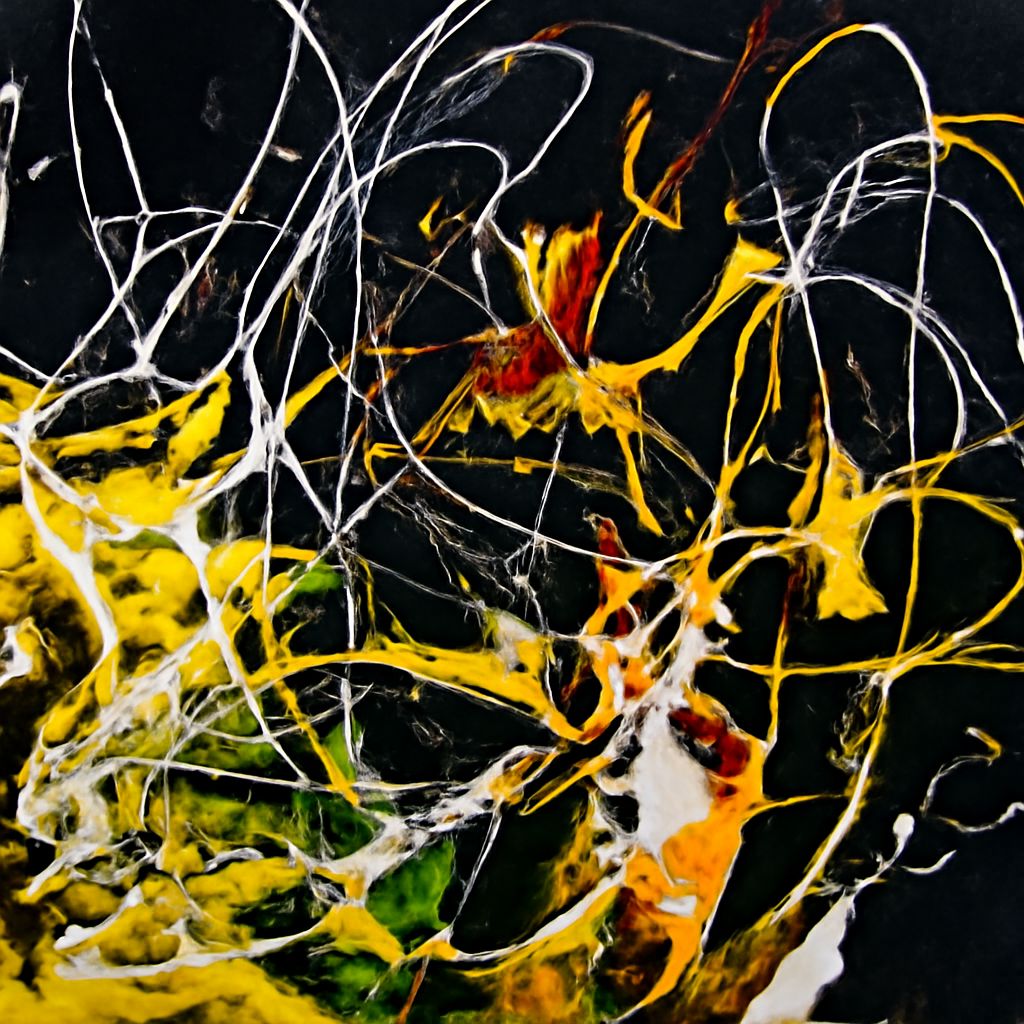
What is it about abstract pictures that captivate the imagination? These intriguing artworks defy conventional forms and invite you to explore a world where lines, shapes, and colors create a visual language beyond words. Whether it’s the bold strokes or the subtle merging of hues, abstract designs challenge the boundaries of traditional art and inspire creativity in both artists and observers alike. In this guide, we will delve into the fascinating realm of abstract designs, examining their evolution, techniques for drawing, and the ways they influence contemporary art.
Introduction to Abstract Designs
Abstract designs have always held a special place in the art world, allowing for freedom of interpretation and expression. Unlike realistic depictions, abstract pictures offer a unique perspective, encouraging both creators and viewers to find personal meaning. This style embraces ambiguity, providing an open-ended experience that can be as personal or universal as you wish.
The Evolution of Abstract Pictures
The journey of abstract pictures begins in the late 19th and early 20th centuries with movements like Impressionism and Cubism, which laid the groundwork for abstract art. Visionary artists like Wassily Kandinsky and Piet Mondrian pushed the boundaries of traditional forms, seeking to capture the essence of subjects rather than their outward appearance. Over the years, abstract art has evolved, incorporating digital technology and new materials, ensuring its relevance in contemporary art circles.
Today, abstract pictures are more diverse than ever, with artists experimenting with digital tools and mixed media to create innovative designs. This evolution reflects a broader acceptance and understanding of abstraction’s power to convey emotion and complexity without relying on literal representation.
Techniques for Drawing Abstract Designs
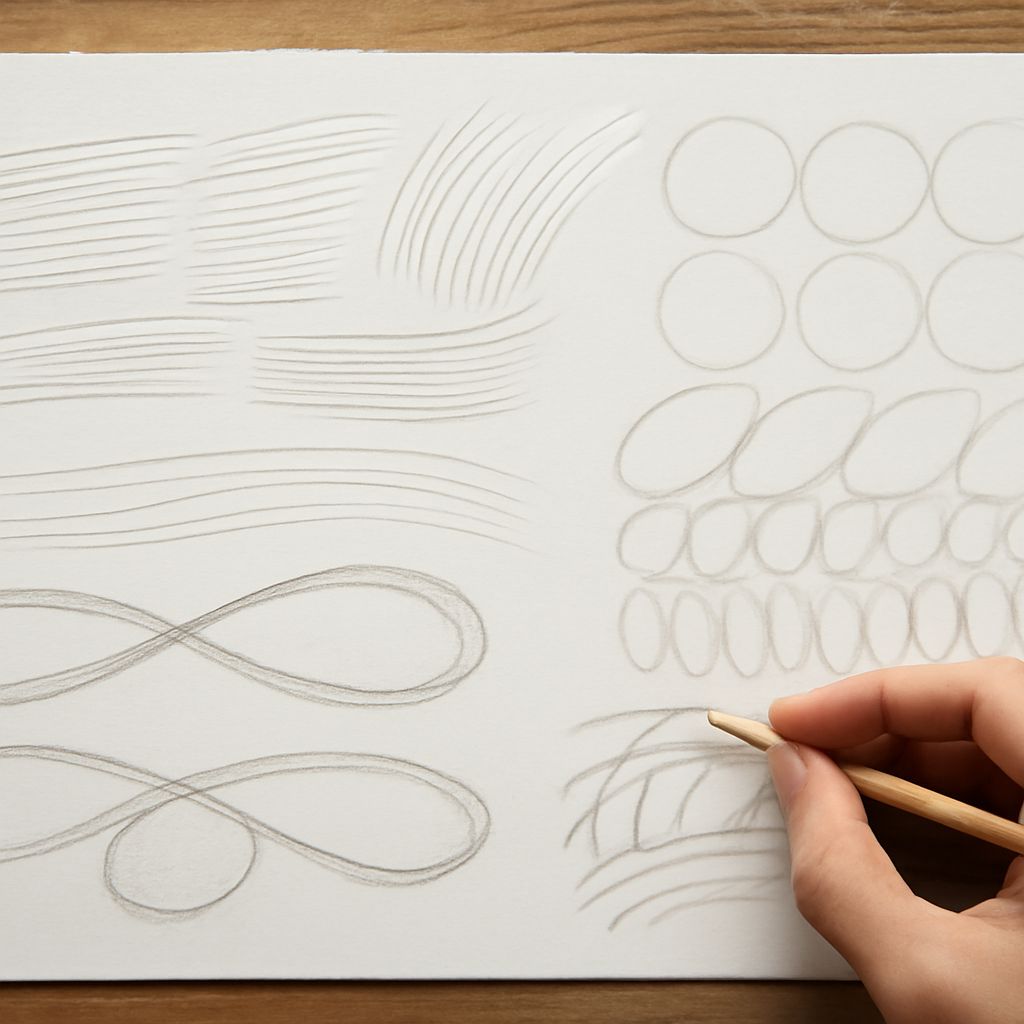
Creating abstract designs can be both a liberating and challenging process. Whether you’re a seasoned artist or a novice, several techniques can help you explore this art form. Start by experimenting with basic shapes and lines, allowing your intuition to guide the process. You might find that a specific color palette or medium, like acrylics or watercolors, resonates with your style.
Another technique involves the use of texture and layering. Building up layers of paint or other materials can add depth and interest to your abstract pictures. Don’t be afraid to mix different mediums, such as ink and charcoal, to achieve unique effects. The key is to remain open to experimentation, letting the process unfold naturally.
Famous Artists and Their Abstract Works
Many renowned artists have made significant contributions to the world of abstract pictures. Wassily Kandinsky, often credited as the pioneer of abstract art, used color and form to express emotions and spiritual concepts. His bold, colorful compositions continue to inspire artists today.
Piet Mondrian, another influential figure, is known for his grid-based paintings that focus on primary colors and geometric shapes. His work symbolizes the harmony and balance that abstract designs can achieve. These artists, among others, have paved the way for contemporary abstract expressionism and minimalism, illustrating the versatility and enduring appeal of abstract art.
Incorporating Abstract Pictures into Your Art
Incorporating abstract pictures into your art can transform your creative practice. Whether you’re integrating abstract elements into realistic works or exploring pure abstraction, this style offers endless possibilities. You might begin by adding subtle abstract touches to your current projects or diving into creating entirely abstract pieces.
Consider how abstract designs can complement your existing style. Mixing abstract elements with other art forms can result in innovative and striking compositions. As you experiment, you’ll discover how abstraction can enhance your artistic expression and broaden your understanding of visual storytelling.
Conclusion: The Future of Abstract Designs
The future of abstract designs looks promising, with artists continuing to push boundaries and explore new frontiers. As technology advances, new tools and platforms will further expand the possibilities of abstract art. Embracing change and innovation, artists will continue to redefine what abstract pictures can be, ensuring this dynamic and versatile art form remains vibrant and relevant.
Ultimately, abstract designs offer a unique way to connect with art on a personal level, inviting you to interpret, question, and engage with the world around you. Whether as a creator or an admirer, the journey into abstraction is an ever-evolving adventure.