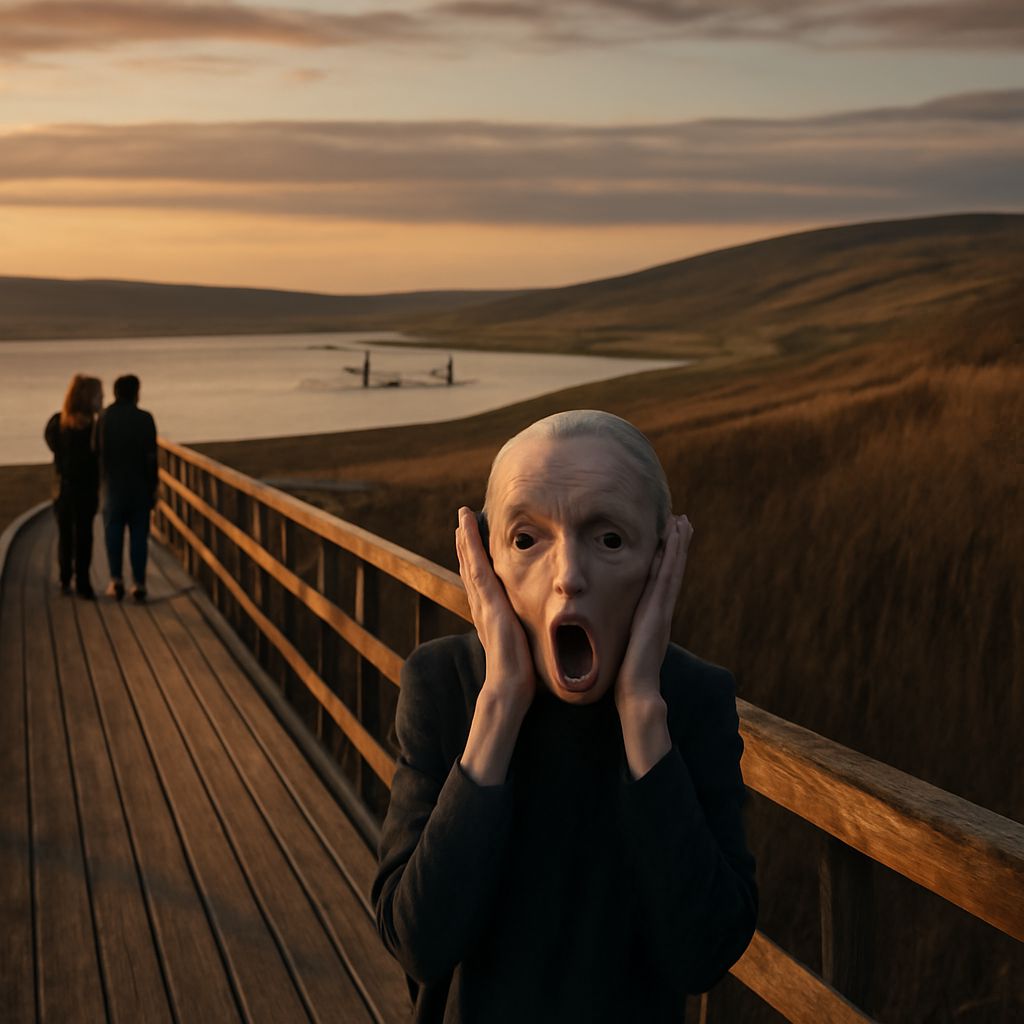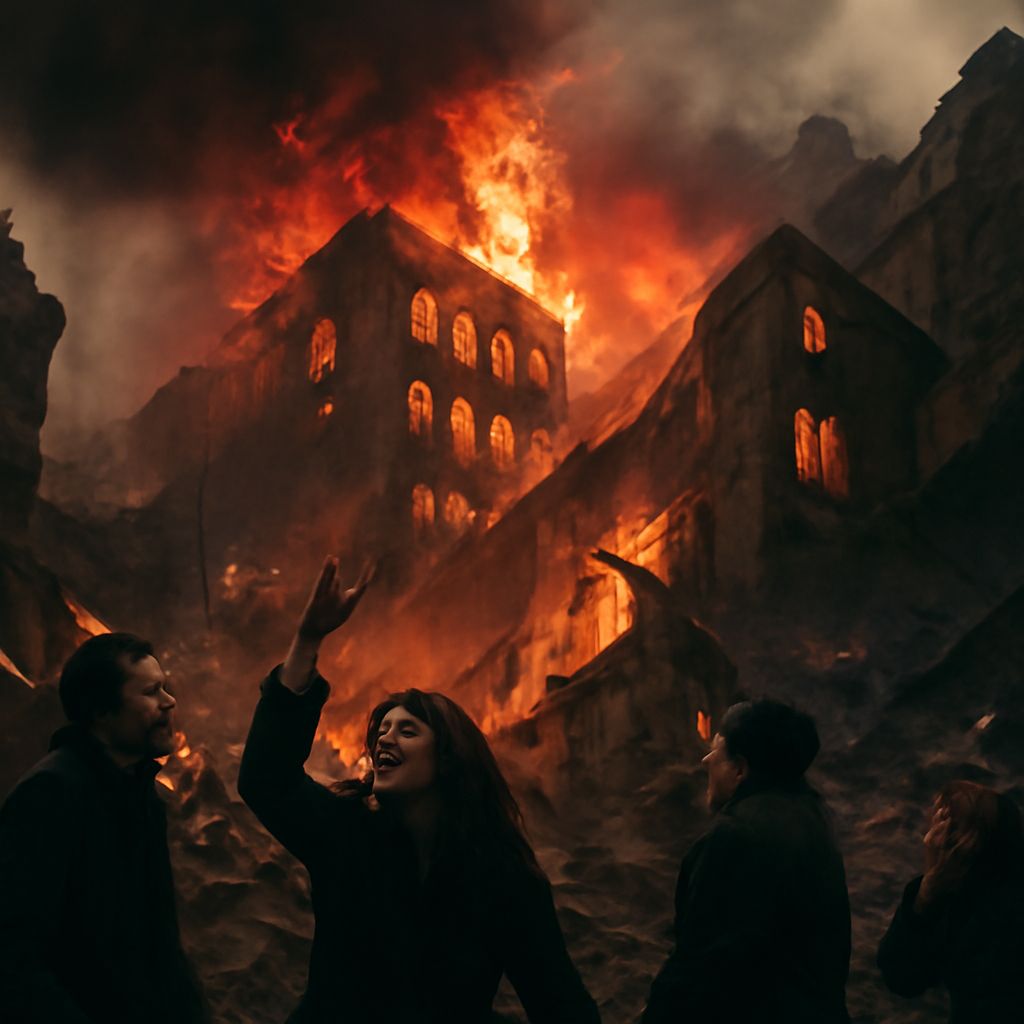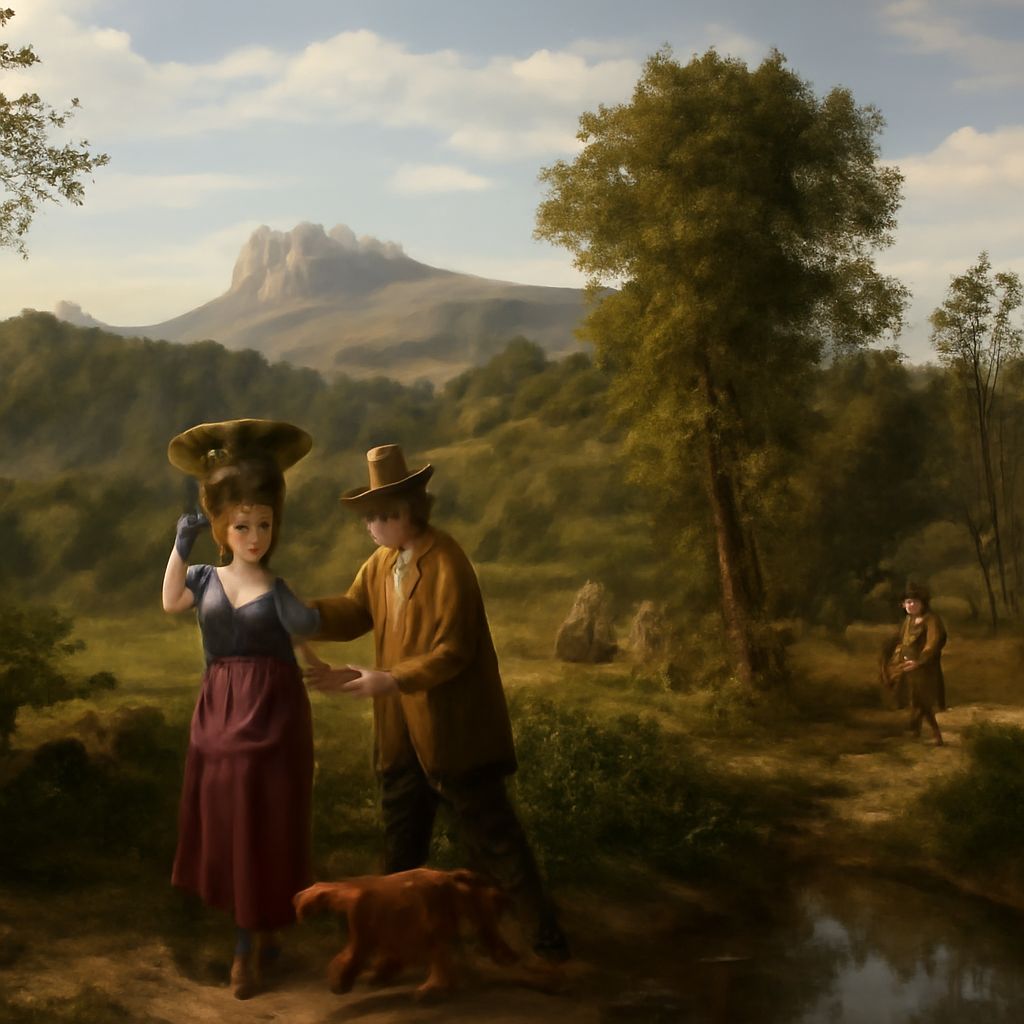
What is it about Romanticism that continues to captivate artists and art enthusiasts alike? Could it be the profound depth of emotion it portrays, or the individualism that it champions? The essence of Romanticism meaning is inherently tied to the emotive power and personal expression that defined this art movement of the 19th century. As you explore the world of Romanticism, you’ll discover how it revolutionized art, emphasizing emotion and personal perspective. This exploration allows you to connect with the art on a deeply personal level, experiencing a shared human emotion that transcends time. In particular, the Romanticism art movement brought about a transformation in how artists approached watercolor painting, leaving a legacy that continues to influence modern art today.
Introduction to Romanticism
Romanticism emerged as a response to the rationality of the Enlightenment and the industrialization of the 18th century. This movement sought to emphasize emotion, nature, and individualism over logic and reason. You can see how Romanticism became a sanctuary for artists who wanted to express the depths of human experience and the sublime beauty of the natural world. It was a shift in perspective that would redefine art for generations.
Understanding Romanticism Meaning
When you hear the term “Romanticism,” it’s important to understand its meaning beyond just romance or sentimentality. Romanticism meaning encompasses a broader cultural movement that valued intense emotional experiences and the natural landscape as sources of artistic inspiration. This approach to creativity allowed artists to explore themes of heroism, adventure, and the mystical, capturing the imagination of audiences around the world.
Through this lens, Romanticism encouraged artists to break free from classical constraints and explore new artistic territories. The movement was not merely about creating beautiful art but about evoking an emotional response that connected the viewer with the artist’s vision. This emphasis on emotion and individual expression challenged the conventions of the time, setting the stage for a new era of artistic innovation.
The Romanticism Art Movement
The Romanticism art movement was characterized by its rejection of traditional art forms and its embrace of spontaneity and creativity. This period saw the rise of artists like J.M.W. Turner and John Constable, who used their works to portray nature’s power and beauty. Their landscapes were not just reproductions of the natural world; they were interpretations imbued with emotion and meaning.
As you delve deeper into the Romanticism art movement, you’ll notice how it celebrated the individual spirit and personal perspective. Artists were encouraged to explore their inner worlds and express their unique experiences through their art. This focus on personal narrative and self-expression became a hallmark of the movement, inspiring generations of artists to come.
Key Characteristics of 19th Century Romanticism
The 19th century Romanticism movement was defined by several key characteristics. First and foremost, it celebrated emotion and imagination over reason and logic. This emphasis on feeling was apparent in the dramatic compositions and dynamic brushwork that characterized much of the art from this period.
Another defining feature was the focus on nature as a source of inspiration. Artists sought to capture the awe and majesty of the natural world, often depicting it as a powerful, almost mystical force. This reverence for nature was seen as an antidote to the industrialization and urbanization that were transforming society at the time.
Finally, 19th century Romanticism placed a strong emphasis on individualism. Artists were encouraged to pursue their own creative visions and express their personal experiences through their work. This celebration of the individual spirit was a defining aspect of the movement and contributed to its enduring influence on the art world.
Romanticism in Watercolor Painting
Watercolor painting, with its fluid and expressive qualities, found a natural home within the Romanticism movement. Artists like Turner used watercolor to capture the ephemeral beauty of light and atmosphere, creating works that were both evocative and deeply personal. The medium allowed for a spontaneity and immediacy that perfectly suited the Romantic emphasis on emotion and individual expression.
When you examine Romanticism in watercolor painting, you’ll notice how artists used the medium to explore themes of nature, emotion, and personal narrative. The translucency of watercolor enabled artists to create luminous landscapes that conveyed a sense of the sublime, inviting viewers to experience the world through the artist’s eyes.
Moreover, the versatility of watercolor made it an ideal medium for artists to experiment and push the boundaries of traditional art forms. This willingness to innovate and explore new artistic techniques was a key aspect of the Romanticism art movement, contributing to its enduring legacy.
Legacy of Romanticism in Modern Art
The legacy of Romanticism continues to resonate in modern art, influencing countless artists and movements. Its emphasis on emotion, nature, and individualism can be seen in contemporary art forms that prioritize personal expression and emotional impact. You can trace the influence of Romanticism in the work of modern artists who explore themes of identity, self-expression, and the human experience.
Furthermore, Romanticism’s celebration of nature as a source of inspiration continues to inspire artists today. As we face environmental challenges, many artists are turning to nature to explore themes of conservation and connection, echoing the Romantic reverence for the natural world.
The movement’s focus on individualism and personal narrative has also found a home in modern art. Artists are encouraged to draw from their own experiences and perspectives, creating works that are deeply personal and emotionally resonant. This legacy of Romanticism reminds us of the power of art to connect us with our shared humanity and to inspire us to explore the depths of our own emotions and experiences.