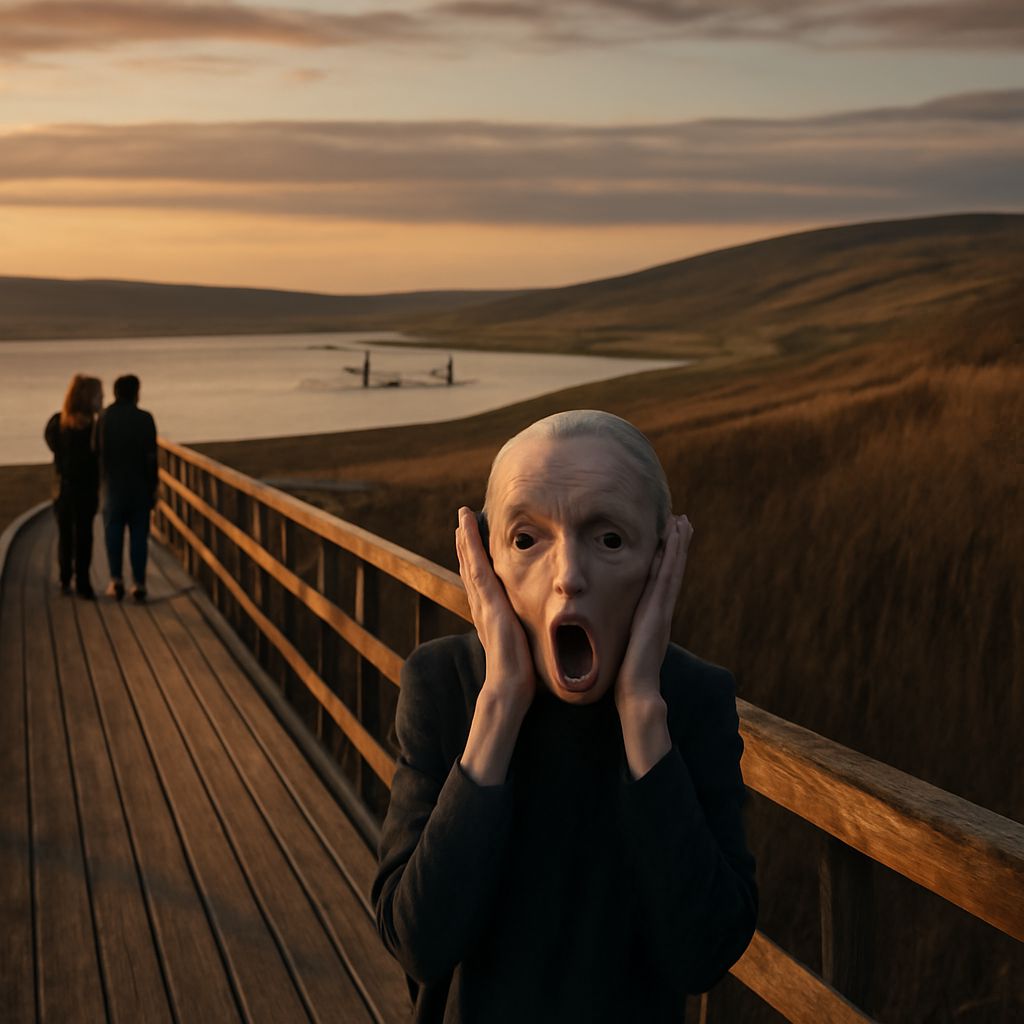
Have you ever been captivated by the haunting image of a distorted face set against a tumultuous sky? This instantly recognizable scene is none other than the iconic masterpiece known as Munch’s The Scream. But what is it about this screaming guy painting that grips us so intensely? Is it the raw depiction of modern existential angst, or is it the bold, expressive art style that seems to speak directly to our innermost fears? Let’s delve into the depths of Edvard Munch’s creation, exploring its origins, techniques, symbolism, and widespread cultural impact.
Introduction to Munch’s The Scream
Edvard Munch’s The Scream has become an emblem of modern art, reflecting a deep emotional intensity that resonates with viewers worldwide. Created in 1893, this painting captures a moment of profound anxiety and despair, depicted through the screaming guy standing on a bridge under a vivid sky. As you explore this masterpiece, you’ll find that it goes beyond visual expression, tapping into universal themes of fear and alienation.
The Origins of the Scream Painting
The origins of the scream painting are rooted in Munch’s personal experiences and his exposure to various artistic influences. Munch described The Scream as a vision he had while walking at sunset, feeling a sudden pang of existential dread. This autobiographical element is crucial to understanding the emotional depth of the painting. Inspired by both Expressionism and Symbolism, Munch sought to convey not just a scene, but the emotional and psychological turbulence that accompanies such moments.
Techniques Used in Munch’s The Scream
Munch’s The Scream employs several distinctive techniques that enhance its emotional impact. The swirling, turbulent lines and bold use of color draw your attention to the center of the painting, creating a sense of motion and instability. By using contrasting colors and exaggerated forms, Munch achieves a sense of unease and chaos. The facial features of the screaming guy are intentionally simplified, highlighting the raw emotion rather than realistic detail. This combination of technique and expression sets The Scream apart as a pioneering piece of modern art.
Symbolism and Meaning Behind the Screaming Guy Painting
The screaming guy painting is laden with symbolism that invites various interpretations. The figure’s distorted expression represents the universal struggle with inner turmoil and existential dread, a theme that resonates deeply with viewers. The vibrant sky, reminiscent of a fiery apocalypse, reflects the overwhelming anxiety that can overshadow one’s life. As you interpret the scene, consider the contrast between the serene landscape and the chaos of the figure’s mind—a visual metaphor for the tension between outward calm and inner conflict.
Cultural Impact of the Scream Painting
Since its creation, the scream painting has permeated popular culture, becoming a symbol of existential angst and modern human anxiety. This screaming guy painting has been referenced in films, literature, and even memes, demonstrating its enduring relevance and appeal. Its impact is evident in how frequently it is parodied and adapted across various media, reinforcing its place in the collective consciousness as a representation of psychological distress and artistic brilliance.
Conclusion: The Legacy of Munch’s The Scream
The legacy of Munch’s The Scream is characterized by its profound influence on art and its ability to encapsulate complex human emotions. As you reflect on its significance, consider how this masterpiece continues to inspire artists and resonate with those who confront their own existential challenges. The enduring power of the scream painting lies in its raw honesty—a testament to Munch’s skill in capturing the essence of human fear and vulnerability.
Pro tips recap: Munch’s The Scream draws you in with its emotive use of color and line, inviting you to explore its multifaceted symbolism and cultural impact. Whether you’re an art enthusiast or someone encountering the screaming guy painting for the first time, appreciate its ability to convey deep-seated emotions and its lasting legacy in modern art.