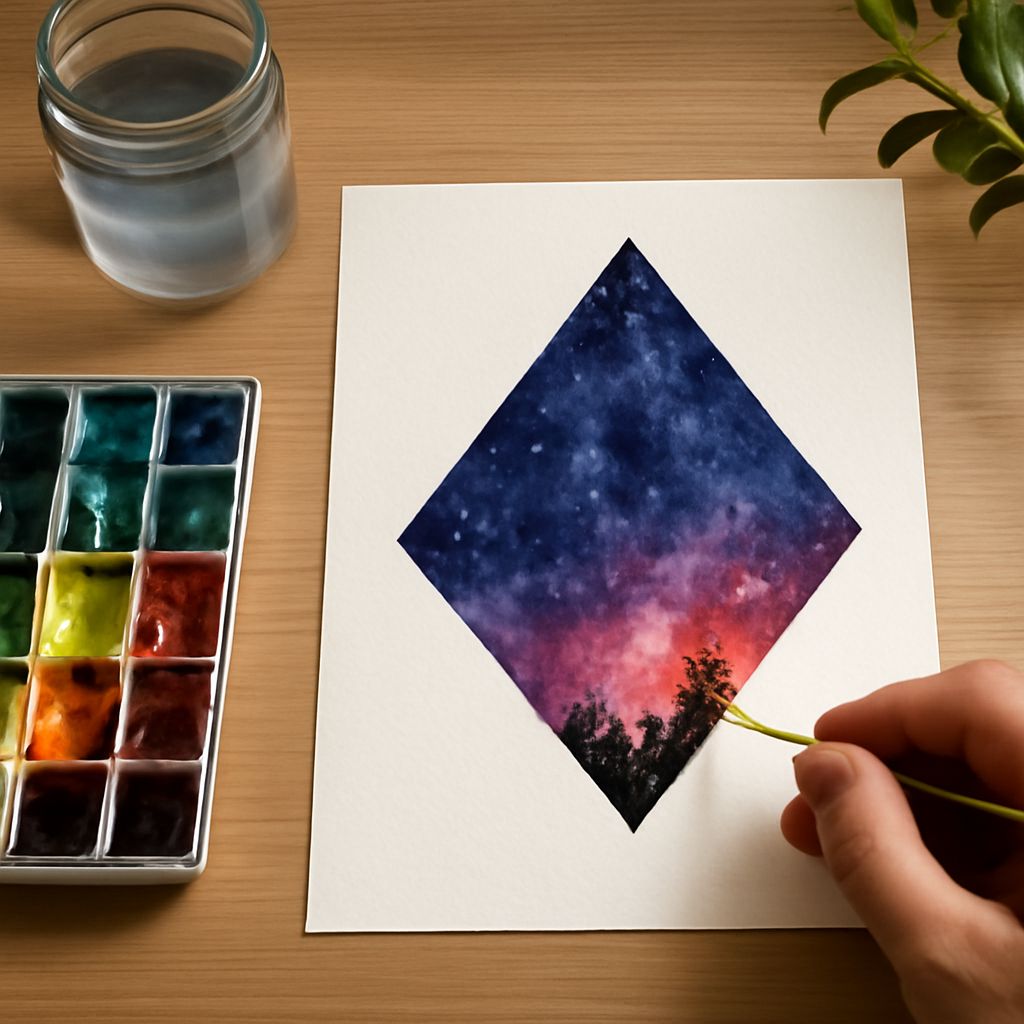
Have you ever wondered how artists achieve stunningly vivid and varied effects in their paintings? The secret often lies in mastering the use of watercolor swatches. These tools are indispensable for artists, allowing you to explore a vast spectrum of watercolor graphics, from delicate herbal illustrations to mesmerizing nebula effects. As you embark on your artistic journey, understanding and creating these swatches can be the key to unlocking your creative potential.
Watercolor swatches serve as a palette of possibilities, enabling you to test colors, blends, and techniques before applying them to your masterpiece. Whether you’re capturing the fragile beauty of watercolor herbs or painting the awe-inspiring vastness of nebula watercolor scenes, these swatches are your guide to artistic expression. Let’s delve into the world of watercolor art, starting with the essentials of swatches and moving through advanced techniques to elevate your skills.
Understanding Watercolor Swatches
Watercolor swatches are small samples of color that artists use to see how different hues look on paper. Creating a swatch involves applying paint to paper and observing how it appears once dried. This is crucial because the interaction between water and pigment can vary significantly, impacting the final outcome. With watercolor swatches, you can experiment with color saturation, transparency, and mixing techniques, helping you achieve the desired effect in your artwork.
By using watercolor graphics in your swatches, you gain insights into how colors behave together. This knowledge allows you to make informed decisions when planning your compositions, ensuring that your paintings convey the intended mood and atmosphere. Incorporating a variety of swatches will also give you the confidence to explore bold and innovative styles.
Creating Your Own Watercolor Swatches
To create your own watercolor swatches, start by gathering your materials: watercolor paper, paint brushes, and your chosen paints. Begin by applying a single color to your paper, varying the water content to explore different opacities. As you extend your collection of swatches, introduce watercolor graphics elements to see how they affect your designs. Mixing colors on your palette and testing them on swatches will help you understand color dynamics in practice.
When crafting your swatches, consider the effects of layering and blending. A layered approach can create depth, while blending can enhance harmony between colors. These techniques are particularly valuable when painting detailed scenes, such as watercolor herbs, where subtlety and precision are key. As you become more adept, your swatches will reflect your unique artistic style and serve as a personal archive of your creative journey.
Exploring Watercolor Graphics Techniques
Watercolor graphics techniques can transform your artwork by adding complexity and texture. From simple washes to intricate patterns, these techniques allow you to explore new dimensions in your painting. By incorporating different graphic elements into your watercolor swatches, you can experiment with effects like splattering, glazing, and dry brushing. These techniques add unique character to your work, making it more dynamic and engaging.
While practicing these techniques, ensure that your watercolor swatches capture the subtleties of each method. Compare how each technique alters the appearance and feel of your colors, and consider how these changes can be applied to your larger projects. As you refine your skills, your ability to convey depth and emotion through watercolor graphics will grow, empowering you to create expressive and compelling art.
Capturing Nature with Watercolor Herbs
Watercolor herbs provide an opportunity to explore nature’s delicate details. By focusing on the subtle colors and shapes of herbs, you can create lifelike representations that evoke a sense of tranquility and beauty. Begin by selecting herbs with interesting forms, such as lavender or mint, and create watercolor swatches to capture their essence. Experiment with different shades of green and complementary colors to highlight the herbs’ unique features.
The process of painting watercolor herbs requires patience and attention to detail. Use your swatches to test various techniques, such as stippling for texture or wet-on-wet for smooth gradients. These methods will allow you to create intricate artworks that celebrate the natural world. Each piece will reflect your ability to capture the delicate interplay between light and shadow, color and form.
Painting Celestial Scenes with Nebula Watercolor
Nebula watercolor paintings bring the vastness and mystery of the cosmos to your canvas. These celestial scenes are characterized by vibrant colors and ethereal forms, challenging you to push your creative boundaries. Start by creating watercolor swatches that explore bold, contrasting colors like deep blues, purples, and fiery reds. Use these swatches to experiment with gradients and blending techniques that mimic the swirling patterns found in nebulae.
When painting nebula watercolor scenes, embrace the freedom to experiment with abstract forms and colors. Your swatches will guide you in achieving the perfect balance between chaos and order, capturing the dynamic nature of the cosmos. By mastering these techniques, you’ll be able to convey the awe-inspiring beauty of nebulae and transport viewers to otherworldly realms.
The Importance of Experimentation in Watercolor Art
Experimentation is at the heart of watercolor art, allowing you to discover new techniques and styles. Your watercolor swatches serve as a playground for testing ideas and pushing the limits of what is possible. By continuously experimenting, you develop a deeper understanding of your materials and how they interact, leading to unique and innovative creations.
Embrace the unpredictability of watercolor graphics and let your creativity flow. Use your swatches as a reference for exploring unexpected color combinations and unconventional techniques. Through experimentation, you will cultivate your artistic voice and expand your repertoire, ensuring that your work remains fresh and exciting.
Safety Recap: Always ensure that you use tools safely when experimenting with various techniques. Proper care for your materials will help maintain their quality and longevity, allowing you to continue creating beautiful watercolor art.