Have you ever flipped through a fairy tale book and found yourself enchanted by the whimsical typography that seems to breathe life into the story itself? If so, you’re not alone. Many find themselves captivated by the charm of old storybook fonts, and among these, the Old London font stands out for its distinct and nostalgic appeal. But what makes the Old London font so alluring, and how does it fit into the broader landscape of storybook typography? Dive in as we explore the world of story book fonts and uncover the magic behind this timeless style.
Whether you’re a graphic designer seeking inspiration or a literature enthusiast cherishing the tactile experience of a printed book, understanding storybook font styles can enrich your appreciation of typography’s impact on storytelling. The old storybook font is more than just a pretty face; it evokes a sense of history and wonder, drawing readers into a narrative that feels both timeless and transformative.
Introduction to Old London Font
The Old London font is a unique typographic style that evokes the medieval and gothic aesthetics often found in classic literature. This font’s intricate details are reminiscent of the hand-crafted calligraphy used in ancient manuscripts, adding a touch of authenticity to any text it graces. As a quintessential representation of old storybook fonts, Old London provides a visual gateway to the fantastical worlds within stories.
Recognized for its elaborate serifs and dramatic strokes, the Old London font captures the essence of historical storytelling. Its design is not merely decorative; it serves to enhance the emotional depth and historical context of narratives, making it an ideal choice for projects that aim to convey a sense of adventure and mystery.
The History of Storybook Fonts
Storybook fonts trace their roots back to the early days of printing and manuscript writing. The evolution of these fonts mirrors the development of literacy and literature itself, with each stylistic change reflecting cultural shifts and technological advancements. From the ornate script used in illuminated manuscripts to the more streamlined fonts of the printing press era, old storybook fonts have been a constant companion to storytellers.
During the medieval period, typography was primarily a manual art form, resulting in fonts that were rich in detail and personality. As printing technology evolved, so did the accessibility and diversity of storybook font styles. Today, these fonts continue to evoke nostalgia for a time when books were crafted with an artisan’s touch, blending form and function beautifully.
Characteristics of Old Storybook Fonts
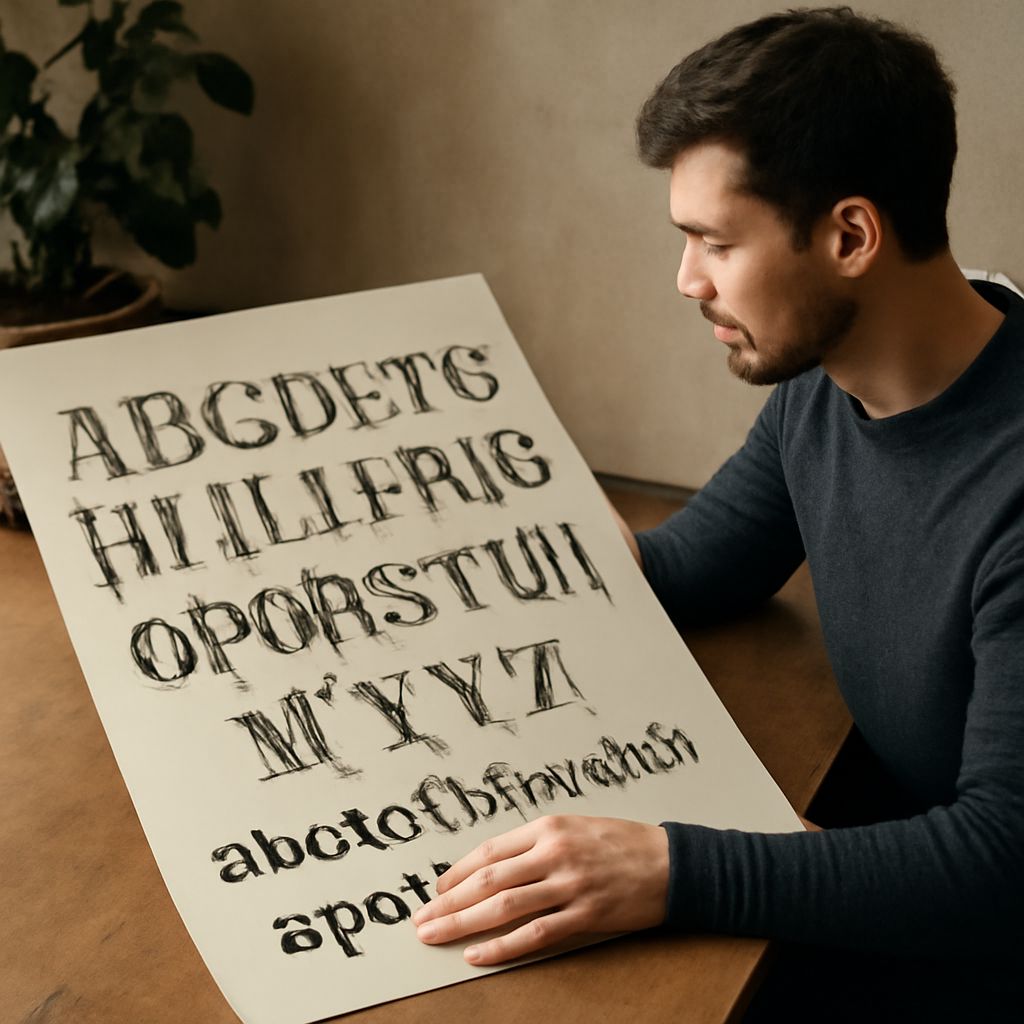
Old storybook fonts are characterized by their intricate typography and a tendency to mimic the handcrafted scripts of yesteryear. They often feature exaggerated serifs, decorative elements, and textured appearances that provide a vintage feel. The Old London font embodies these characteristics perfectly, with its bold strokes and elaborate detailing.
These fonts are not only about visual appeal; they also convey emotion and atmosphere. The texture of an old storybook font can suggest age and wisdom, while its flowing lines can evoke an adventurous spirit. These design elements make them particularly effective for storytelling, enhancing the reader’s engagement with the narrative.
Popular Uses for Storybook Font Styles
Storybook font styles are versatile and widely used in various creative projects. They find their place in everything from book covers and film posters to branding elements and web design. The old storybook font style, like the Old London font, is often employed in fantasy genres, historical themes, and any project seeking a touch of elegance and mystique.
In graphic design, story book fonts can add a layer of depth and intrigue, serving as the perfect complement to visual storytelling. Their ability to convey a sense of time and place makes them invaluable in creating immersive experiences that captivate audiences and elevate the narrative.
Comparing Old London Font to Other Storybook Fonts
While the Old London font is a staple in the realm of storybook typography, it is not the only option available. Other storybook fonts offer different characteristics and can be chosen based on the specific tone and mood desired for a project. Fonts such as Blackletter, Celtic, and Uncial each bring their distinctive flair to storytelling.
Old London font stands out for its gothic and medieval-inspired design, making it ideal for narratives that are rich in history or fantasy. In contrast, other storybook fonts might lean towards a more whimsical or ethereal style, offering a lighter take on storytelling. The choice of font ultimately depends on the emotional and aesthetic goals of the project.
Choosing the Right Story Book Font for Your Project
Selecting the right story book font for your project requires consideration of the narrative’s tone and target audience. While the Old London font may be perfect for projects with historical or fantasy themes, other storybook fonts might better suit tales with a whimsical or modern twist.
When choosing a font, think about the emotional impact you want to achieve and the story you are telling. Consider how the font interacts with other design elements and how it contributes to the overall aesthetic. No matter the choice, a well-chosen storybook font can transform your text into a captivating and immersive visual experience.
Bottom line: Storybook fonts like the Old London font offer a gateway into worlds of enchantment and history, making them perfect for creating immersive narratives. By understanding their history, characteristics, and uses, you can choose the ideal typography to complement your creative projects and engage your audience effectively.