Have you ever wondered how artists achieve those stunning contrasts and vibrant highlights in their work? It’s not just about the medium—it’s also about the surface. Drawing on black paper opens up a world of possibilities where light is your primary medium, and shadows are already part of your canvas. This intriguing shift in perspective can lead to a deeper exploration of both your technique and creativity. In this guide, we’ll delve into the unique aspects of black paper drawing, compare it to the more traditional brown drawing paper, and even touch on the exciting realm of drawing on fabric.
Introduction to Drawing on Black Paper
Black paper drawing offers a dramatic backdrop that can make your artwork pop with life. Unlike white paper, where you build your shadows, black paper requires you to build your lights. This means that you’ll be using your whites, yellows, and other light colors to bring dimensions to your work. The process can be simultaneously challenging and rewarding as it flips your conventional approach to drawing.
Materials Needed for Black Paper Drawing
To embark on your black paper drawing journey, you’ll need a few essential materials. First, select a high-quality black drawing paper that can handle a variety of media without losing integrity. This ensures that your colors remain crisp and vibrant. Invest in a set of colored pencils that include a range of whites, pastels, and bright shades. Gel pens and soft pastels are also popular choices for their ability to lay down opaque lines and shades. Finally, a good eraser and blending tools can help refine your work and produce subtle transitions.
Techniques for Drawings on Black Paper
When drawing on black paper, the key is to think in reverse. Start by sketching your subject lightly with white or a pale color to map out your composition. From there, layer your light colors to build forms, highlights, and textures. Apply pressure to achieve more vibrant hues or layer gently for softer tones. Another technique is to use a white pencil to “erase” areas, creating a sense of depth and dimension. Remember, each stroke is building light, not shadow. Experimenting with different tools such as gel pens can add unique textures and finishes to your drawings.
Comparing Black Paper to Brown Drawing Paper
While both black and brown drawing paper offer unique textures and tones, they serve different artistic purposes. Brown drawing paper, often used for sketching, provides a warm, earthy background that can enhance the natural tones in your art. In contrast, black paper creates a stark, dramatic effect that emphasizes light and color. When comparing, you’ll find that black paper allows for a more immediate impact of highlights and offers a greater contrast than brown drawing paper. Both surfaces, however, can add unique qualities to your work that a plain white paper cannot.
Exploring Drawing on Fabric
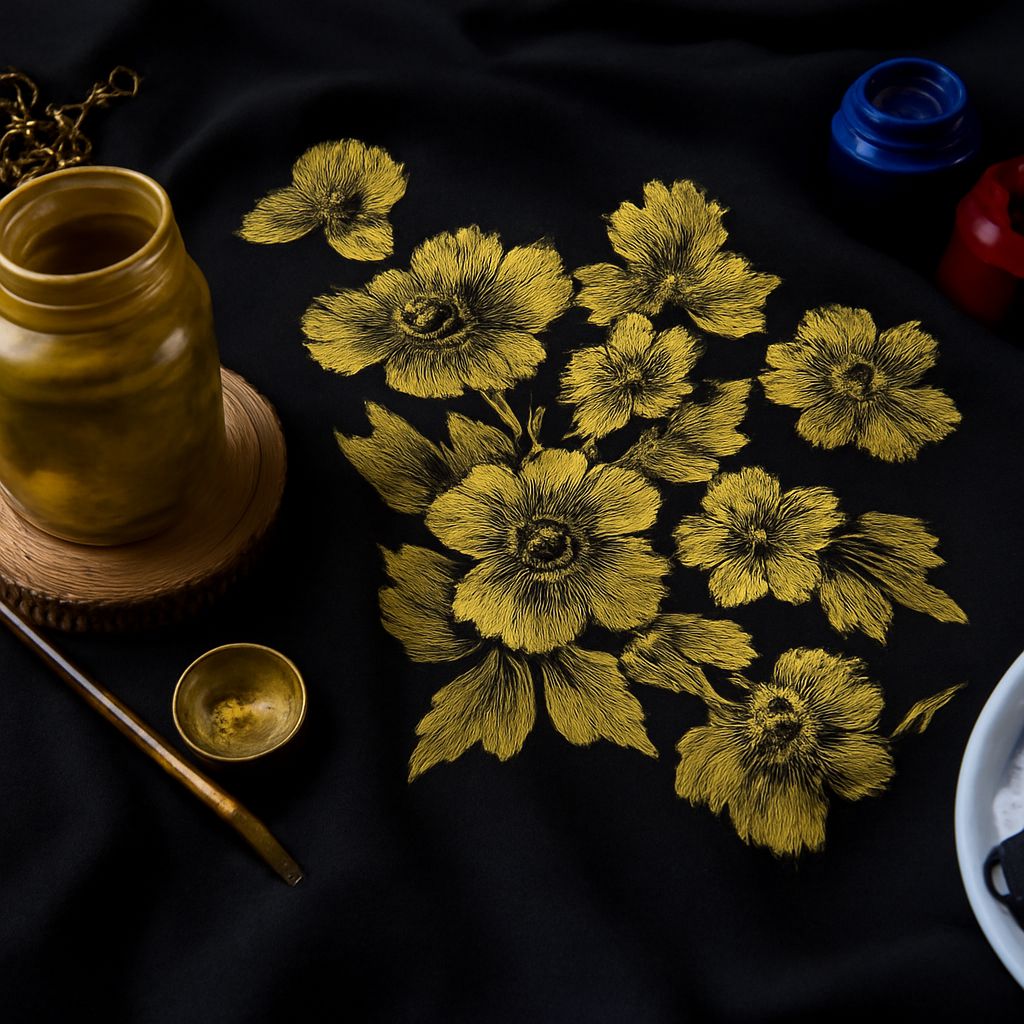
Drawing on fabric introduces yet another dynamic surface to explore. The texture and flexibility of fabric can add a new dimension to your art, enhancing both tactile and visual qualities. When drawing on fabric, choose materials like cotton or linen that can hold medium well. You might use fabric markers or specialized fabric paints to ensure longevity and vibrancy. The techniques here differ slightly as you must account for the texture and absorption rate of the fabric. Like with black paper, you build your artwork by adding layers of light and color, creating a piece that is both visual and tactile.
Conclusion: Embracing Diverse Drawing Surfaces
Whether you’re drawn to the stark contrast of black paper, the warmth of brown drawing paper, or the tactile nature of drawing on fabric, each surface offers a unique platform to explore your creativity. Embracing these different materials not only broadens your technical skills but also enhances your artistic expression. As you experiment with these surfaces, you’ll discover new ways to manipulate light and shadow, ultimately enriching your artistic journey. Remember, the surface you choose is as much a part of your art as the medium itself.