Have you ever marveled at how some artists can create a distinct piece of art that is uniquely their own? Finding your drawing style is a journey that every artist embarks upon, whether you are sketching watercolor woodland animals or crafting cute cartoon characters. But how do you discover what truly represents your artistic voice? Through understanding techniques, exploring new subjects, and maintaining your tools, you can unlock the path to your unique drawing style.
Whether you’re inspired by the natural charm of woodland creatures or the whimsical allure of cartoons, your journey towards artistic identity involves a blend of practice and playful experimentation. From learning how to clean calligraphy nibs to mastering how to photoshop someone out of a picture, each skill you develop contributes to your artistic expression. Dive into this creative journey and learn how to enhance your skills while discovering your own distinctive flair.
Understanding Drawing Styles
Drawing styles are as diverse as the artists who create them. At their core, styles are influenced by personal preferences, experiences, and the techniques you’ve honed over time. To find your drawing style, begin by exploring various art forms. Experiment with different mediums such as pencil, ink, watercolor, and digital tools. Notice which elements resonate with you—be it the texture of watercolor paper or the precision of ink lines.
Pay attention to the artists you admire. Analyze what draws you to their work and try to incorporate elements of their style that speak to you. Remember, your style will evolve, so allow it to change as you grow as an artist.
Exploring Watercolor Woodland Animals
Choosing the Right Watercolor Supplies
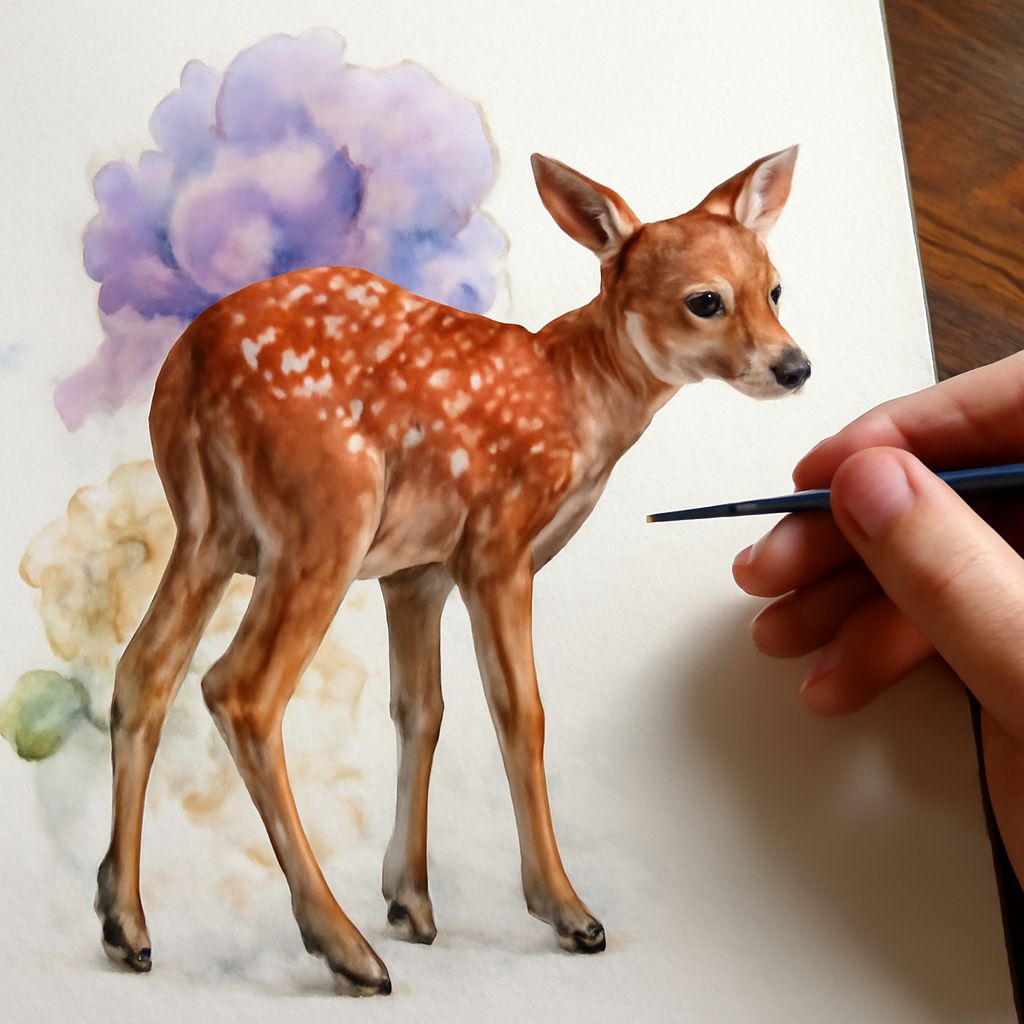
The delicate nature of watercolor makes it ideal for painting the soft, organic forms of woodland animals. Choose quality watercolor paints that offer vibrant pigments, and select brushes of varying sizes to help you achieve both broad washes and delicate details. High-quality paper is essential; cold-pressed paper provides the perfect texture for capturing the nuances of fur and foliage.
Techniques for Painting Woodland Animals
Begin with light pencil sketches to outline the basic shapes of your chosen animal. Gradually build up layers of watercolor, starting with lighter shades and moving to darker tones. This technique helps you capture the gentle hues of woodland creatures. Experiment with wet-on-wet techniques for soft, blended backgrounds that complement the main subject.
Incorporate detailed textures to bring your animals to life. Use a fine brush to add fur details or to highlight the glint of an animal’s eye. By experimenting with these techniques, you’ll not only learn how to draw cute cartoon animals but also refine your watercolor skills.
Techniques for Drawing Cute Cartoon Animals
Simple Shapes and Proportions
Cute cartoon animals often start with basic shapes. Circles, ovals, and rectangles form the foundation of your characters. Play with proportions to exaggerate features like eyes or ears, which adds to the cuteness factor. By practicing these basic shapes, you can easily modify characteristics to create a variety of characters.
Adding Personality and Expression
Expressions and poses bring life to cartoon animals. Experiment with different facial expressions—happy, surprised, or curious—to give your characters personality. Use body language to denote emotions or actions. By mastering these elements, your drawings will convey more than just form; they’ll tell a story, engaging your audience with each character’s unique charm.
Tools and Tips for Digital Editing
How to Photoshop Someone Out of a Picture
In digital art, editing skills are just as crucial as drawing skills. Knowing how to photoshop someone out of a picture can transform your artwork or photograph. Start by using the Lasso or Pen Tool to carefully select the person or object you wish to remove. After selecting the area, employ the Content-Aware Fill option to blend the background seamlessly, ensuring that the removal looks natural.
Practice using layers and masks to make nondestructive edits, allowing for flexibility and experimentation. By mastering these techniques, you can refine your artwork digitally, enhancing your drawing style through technology.
Maintaining Your Drawing Tools
How to Clean Calligraphy Nibs
Proper maintenance of your drawing tools ensures they remain in good condition, supporting you on your artistic journey. Calligraphy nibs, for example, require regular cleaning to maintain their precision. After each use, rinse the nibs in warm water and dry them thoroughly to prevent rust. For a deeper clean, use a small brush to gently scrub away any ink residue.
By taking care of your tools, whether they are calligraphy nibs or watercolor brushes, you ensure they perform optimally, allowing you to focus on developing your drawing style without interruptions.
Embarking on the journey to discover your drawing style is a rewarding endeavor. By exploring different subjects, mastering various techniques, and maintaining your tools, you’ll develop a style that’s uniquely yours. With practice and patience, your artistic voice will shine through each creation, be it through the intricate details of watercolor woodland animals or the playful expressions of cute cartoon animals.