Have you ever wondered why bubble drawings captivate artists and enthusiasts alike? The whimsical charm and dynamic form of bubbles can transform a simple sketch into a lively scene. Whether you’re interested in creating stunning cartoon bubble designs or exploring the depths of nautical drawings, mastering the art of drawing bubbles can open a world of creativity. As you dive into concept drawings, you’ll find that bubbles offer more than just a playful touch; they provide an opportunity to enhance your artwork with depth and realism.
From creating realistic cartoon bubbles to integrating them into intricate concept drawings, the possibilities are endless. You’ll discover that bubble drawings are not only popular for their aesthetic appeal but also for their versatility in various artistic styles. In this guide, we’ll explore essential techniques and advanced concepts that will equip you with the skills to create captivating bubble art. So grab your favorite drawing tools and let’s embark on this artistic adventure together.
Introduction to Bubble Drawings
What Are Bubble Drawings?
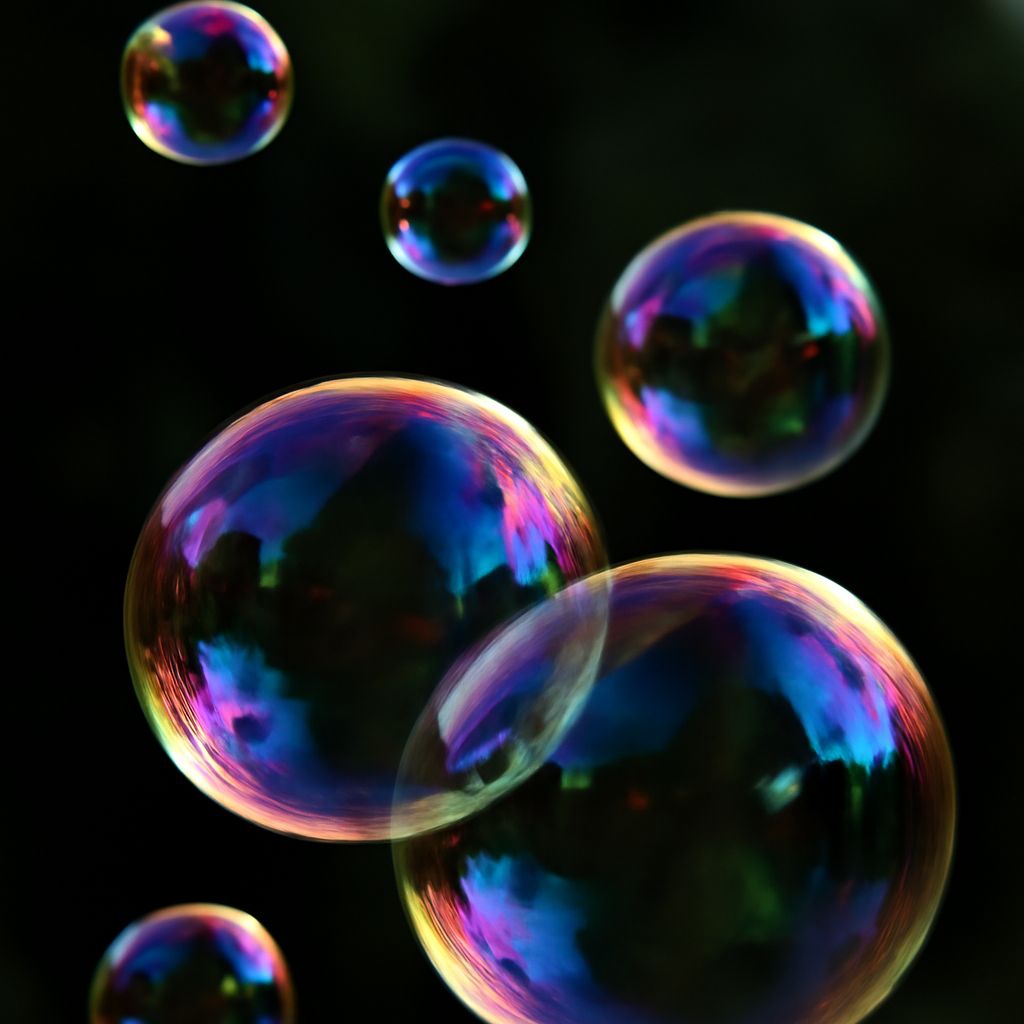
Bubble drawings are artworks that prominently feature bubbles as a central element. These drawings can vary from simple sketches to complex compositions. Bubbles are often used to add a whimsical or playful aspect to the artwork. Their round, reflective surfaces and delicate outlines make them an intriguing subject for artists aiming to enhance their concept drawings with a touch of enchantment.
The Popularity of Drawing Bubbles
The popularity of drawing bubbles stems from their versatility and visual appeal. In both beginner and professional circles, bubble drawings are celebrated for their ability to convey movement and dimension. Artists who explore nautical themes often incorporate bubbles to suggest underwater scenes, adding depth and realism. The playful nature of bubbles also makes them a popular choice for cartoon bubble designs, which are widely used in animations and illustrations.
Techniques for Drawing Bubbles
Basic Steps for Drawing Bubbles
To begin drawing bubbles, start with a light circle to outline the bubble’s shape. Use a softer pencil for initial sketches to allow for easy corrections. The next step is shading. With gentle strokes, create shadows along the bubble’s edges to simulate a three-dimensional look. Highlighting is crucial; use an eraser or a white gel pen to add reflective spots that mimic light sources. These techniques are fundamental for creating realistic cartoon bubbles.
Tools for Creating Cartoon Bubbles
Creating cartoon bubble designs requires specific tools to achieve the desired effect. Graphite pencils of varying hardness can help in achieving different shades of gray, essential for depth and shadow. For vibrant results, colored pencils or markers can bring your bubbles to life. Digital tools, like drawing tablets, offer options for layering and texturing, making them ideal for more elaborate concept drawings.
Incorporating Concept Drawings
Incorporating bubbles into concept drawings involves more than just technique; it requires creativity and imagination. Think about how bubbles interact with other elements in your artwork. Are they floating in a serene landscape, or are they part of a bustling underwater scene? By considering the narrative and theme of your drawing, you can effectively integrate bubbles into your concept, enhancing the overall composition.
Advanced Bubble Drawing Concepts
Creating Realistic Cartoon Bubbles
To create realistic cartoon bubbles, focus on light and shadow interplay. Consider the bubble’s environment and light sources. This involves using gradients and precise spots of white to indicate reflections and transparency. Layering different opacities can also give the illusion of depth, transforming simple bubbles into realistic elements that enhance your artwork.
Integrating Bubbles into Concept Drawings
Integrating bubbles successfully into concept drawings often revolves around understanding the story or mood you want to convey. Bubbles can symbolize thoughts, dreams, or whimsical elements in a scene. They can also serve practical purposes, like indicating movement or atmosphere. By aligning the bubble’s style and placement with the artwork’s theme, you can seamlessly incorporate them into your concept.
Exploring Nautical Drawings with Bubbles
Nautical Themes in Bubble Art
Nautical drawings often use bubbles to enhance the aquatic atmosphere. These bubbles can represent air escaping from divers or fish, creating an immersive underwater environment. The interplay of light and shadow within the bubbles can mimic the effects of sunlight filtering through water, adding realism and depth to your nautical drawings.
Combining Bubbles with Nautical Elements
Combining bubbles with nautical elements involves creative composition and layering. Consider how bubbles interact with elements like waves, sea creatures, and coral reefs. By carefully placing bubbles around these elements, you can create dynamic scenes that capture the essence of the ocean. Experimenting with different sizes and opacities of bubbles can also add interest and variety to your nautical artwork.
Conclusion: Bringing It All Together
Mastering the art of bubble drawings involves more than just understanding techniques; it’s about integrating them into your creative vision. Whether you’re crafting cartoon bubble designs or exploring complex concept drawings with nautical themes, the inclusion of bubbles can significantly enhance your artwork. By applying the techniques and ideas discussed, you’ll be able to create captivating and lively scenes that draw viewers into your imaginative world.
Next Steps: Continue practicing these techniques, experimenting with different tools, and exploring various themes. The more you draw, the more naturally the integration of bubbles into your artwork will become. Keep pushing the boundaries of your creativity and let each drawing be a step towards mastering this captivating art form.