What makes a mixed media artist stand out in the vast art landscape? How do famous mixed media artists blend traditional craftsmanship with modern techniques to create extraordinary works of art? These questions invite you to delve into the fascinating world of mixed media, where creativity knows no bounds. Mixed media art is not just about combining different materials; it’s about pushing boundaries and exploring new realms of artistic expression. By understanding the techniques and influences of this dynamic art form, you can better appreciate its impact and potentially embark on your own journey as a mixed media artist.
Introduction to Mixed Media Art
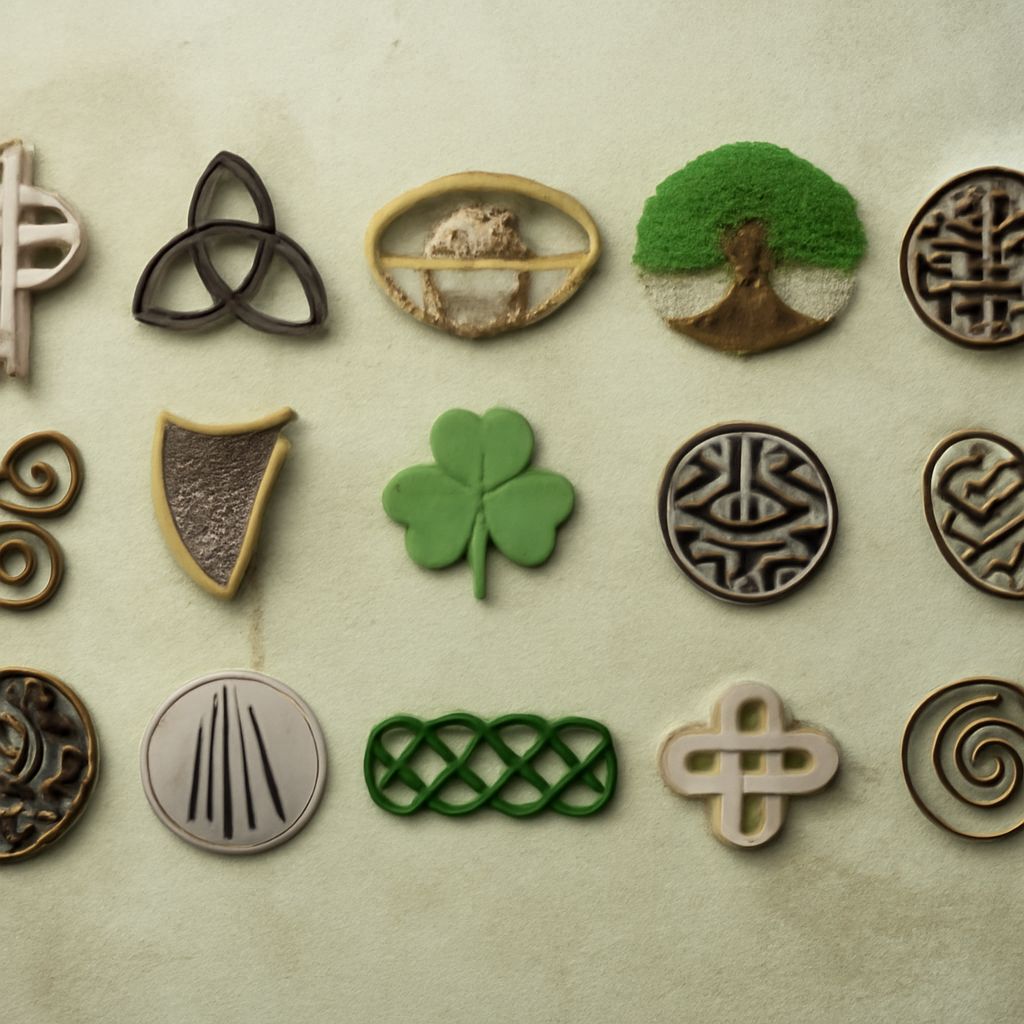
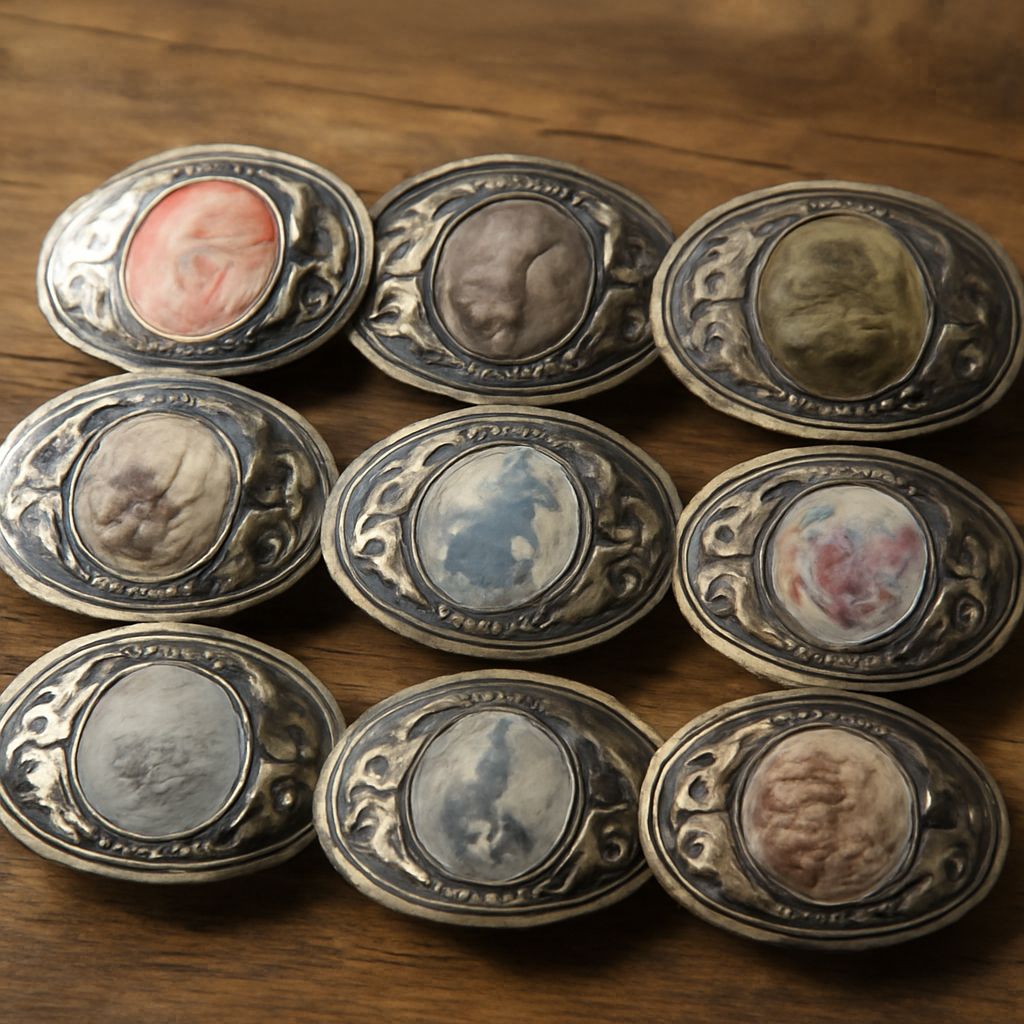
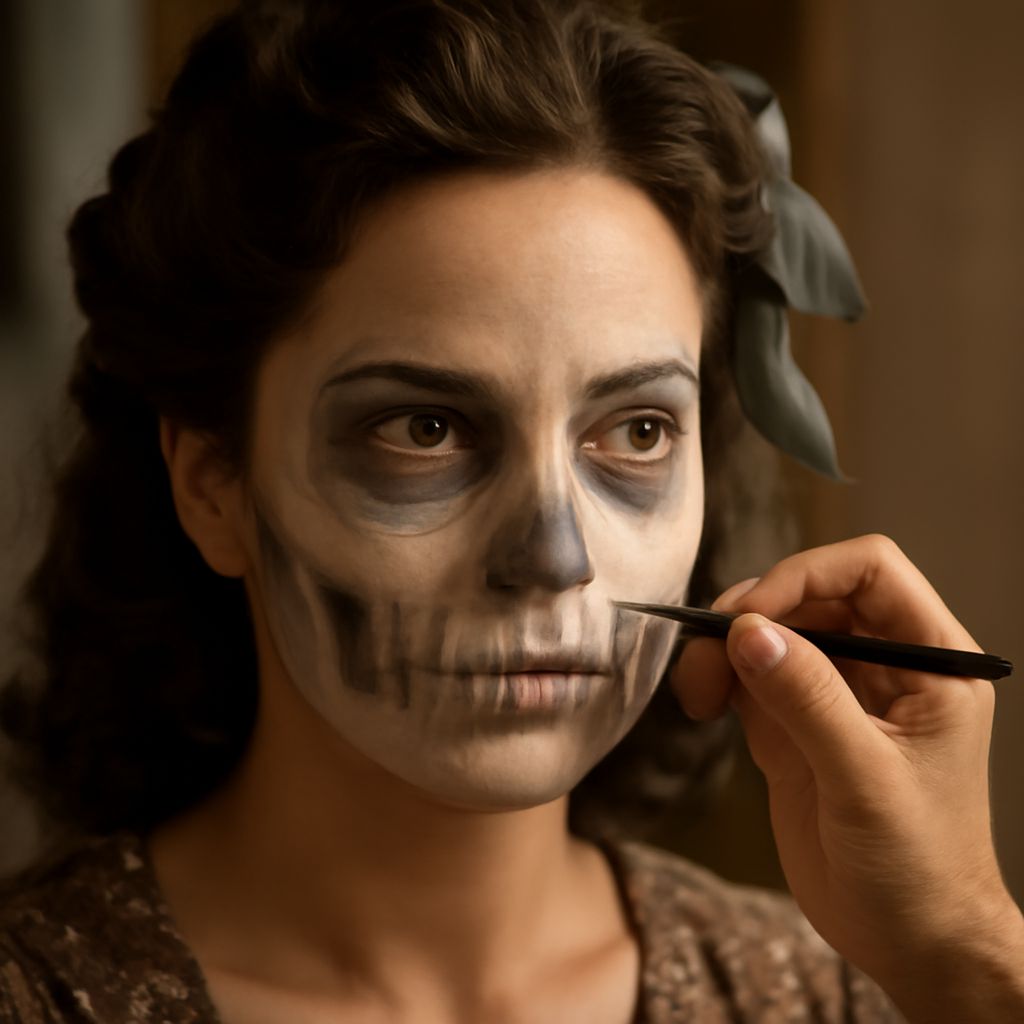
Mixed media art involves the use of multiple materials and techniques to create a single work of art. This genre allows artists to experiment with a variety of textures, forms, and colors to produce something truly unique. Traditional methods like drawing, painting, and sculpting are often combined with digital illustration, photography, and even found objects. These creative combinations enable artists to communicate complex ideas and emotions that might be challenging to express through a single medium alone.
Key Techniques Used by Mixed Media Artists
To achieve their diverse creations, mixed media artists often employ a range of techniques. Collage is a popular method, where various materials such as paper, fabric, or photographs are layered to create depth and interest. Assemblage art involves similar principles, but with a focus on three-dimensional objects. Additionally, famous mixed media artists frequently use encaustic painting, a process that involves heated beeswax mixed with colored pigments. This technique allows for a rich texture and a luminous quality that is difficult to replicate with other methods.
Another technique involves the use of digital tools. With the advent of technology, digital illustration has become an integral part of the mixed media toolkit. Software like Adobe Photoshop and Illustrator enable artists to manipulate images and apply effects that would be impossible by hand, blending seamlessly with traditional techniques.
Famous Mixed Media Artists and Their Impact
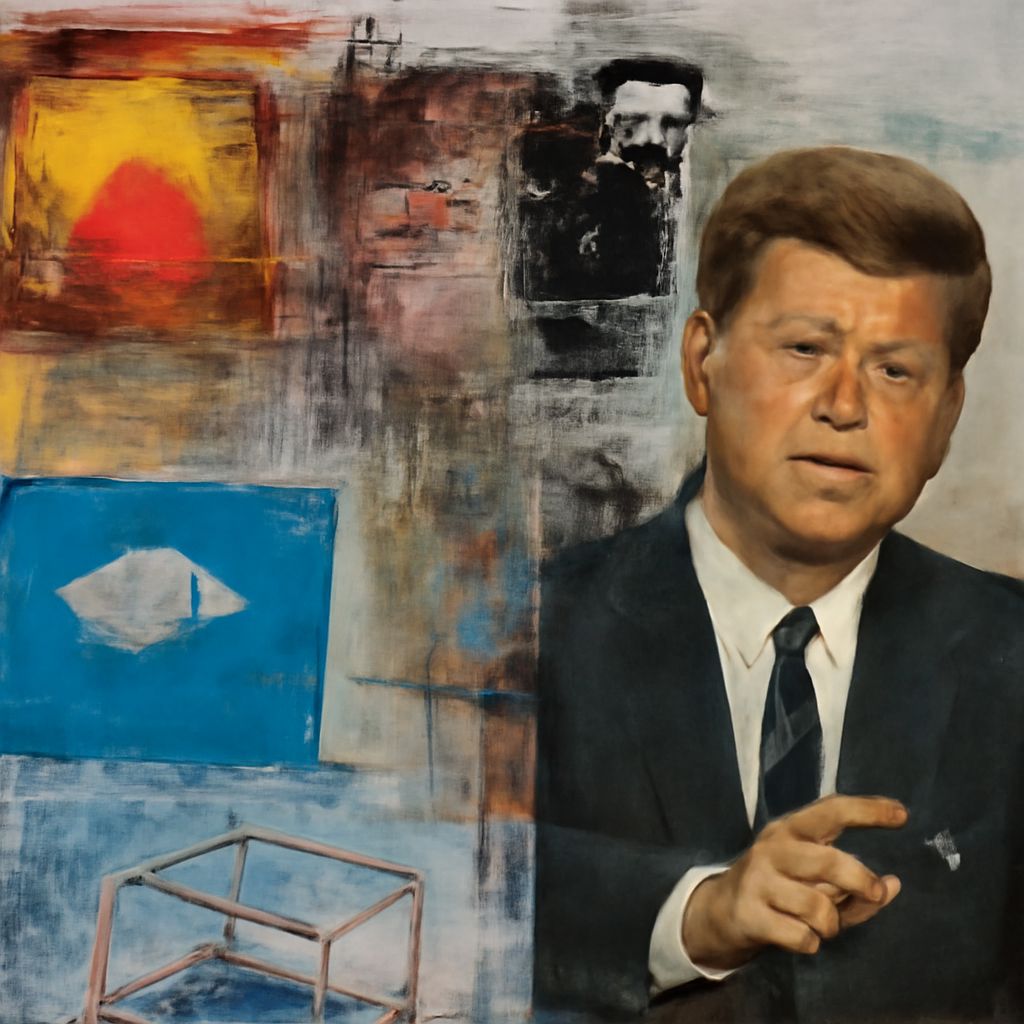
The contributions of famous mixed media artists have significantly influenced modern art. Artists like Robert Rauschenberg and Pablo Picasso pioneered the use of unconventional materials and methods, challenging traditional art boundaries. Their innovative approaches opened new avenues for artistic exploration, inspiring countless others to expand their creative horizons.
Today, artists such as Yayoi Kusama and Jean-Michel Basquiat continue to push the envelope, incorporating digital illustration and multimedia installations into their work. These artists not only create visually stunning pieces but also provoke thought and conversation, highlighting the role of mixed media art in addressing social and cultural issues.
The Role of Digital Illustration in Mixed Media Art
Digital illustration plays a pivotal role in the evolution of mixed media art. It allows for a greater range of possibilities in terms of color, texture, and form. By integrating digital techniques, you can experiment with various styles and effects, pushing the boundaries of traditional art forms.
Moreover, using digital tools can help streamline the creative process. Techniques such as layering, blending modes, and digital painting can be completed more efficiently, enabling you to focus on the conceptual aspects of your work. This marriage of technology and traditional artistry is what defines the modern mixed media artist.
How to Become a Successful Mixed Media Artist
Embarking on a journey as a mixed media artist requires dedication, creativity, and an openness to experimentation. Start by exploring various materials and techniques, both traditional and digital. Take inspiration from famous mixed media artists, but also seek to develop your own unique style.
Networking and collaboration are also key. Engage with other artists and participate in exhibitions and workshops to gain exposure and feedback. Digital platforms can amplify your reach, allowing you to showcase your work to a global audience. Remember, the path to becoming a successful mixed media artist is as much about the process as it is about the finished product.
Conclusion: The Future of Mixed Media Art
The future of mixed media art is bright and full of potential. As technology continues to evolve, so too will the possibilities for artistic expression. The integration of digital illustration with traditional techniques will continue to redefine what it means to be a mixed media artist. As you explore this dynamic art form, consider how you can contribute to its evolution, pushing your creative boundaries to inspire and innovate.