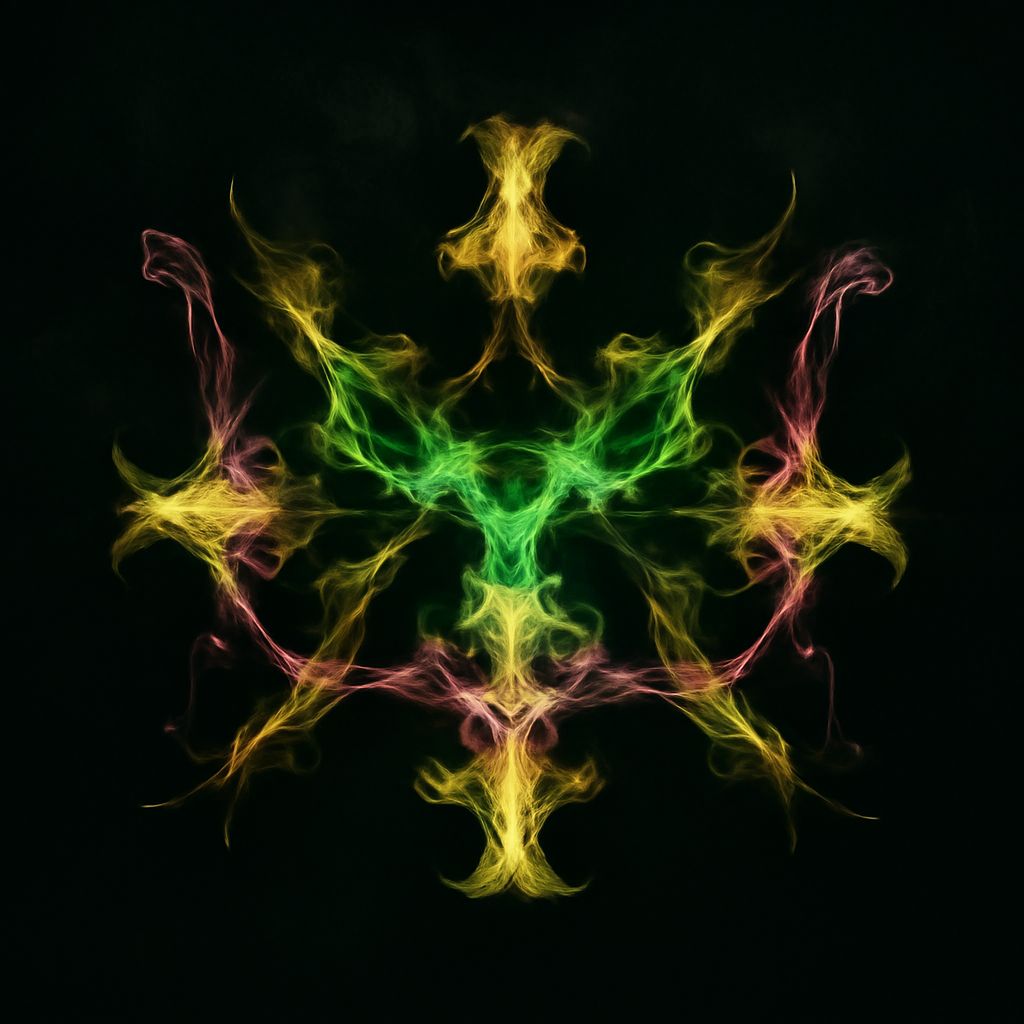
Have you ever marveled at the intricate beauty of silk art and wondered what makes it so captivating? This form of expression, which deftly combines the precision of a silk weaver with the creativity of weave art, has charmed art enthusiasts for centuries. But what exactly is it about silk drawing that makes it such a revered practice? By delving into its historical roots, techniques, and the rich inspirations behind it, you can gain a deeper appreciation for this exquisite art form.
Understanding silk art requires not only a grasp of its technical elements but also an appreciation for its cultural and historical significance. Whether you are an aspiring artist or simply an admirer of this beautiful medium, exploring the evolution and techniques of silk art can offer valuable insights into its enduring allure.
The History of Silk Art
Silk art has a rich history that dates back thousands of years, originating in ancient China during the Han Dynasty. Initially, silk served as a luxurious fabric for clothing, but its lustrous quality soon captivated artists, leading to its use as a canvas for drawing and painting. This transformation marked the beginning of silk drawing as a respected art form.
As trade routes expanded, silk art spread to other cultures, each adding their unique touch to the practice. In Europe, for example, the Renaissance period saw a surge in the popularity of silk paintings, with artists incorporating vibrant dyes and innovative techniques. Over time, the blend of traditional methods and contemporary practices has allowed silk art to remain a dynamic and evolving art form.
Techniques in Silk Drawing
Mastering silk drawing involves a deep understanding of the various techniques that can be employed on this delicate medium. The choice of method often influences the final appearance of the artwork. Some artists prefer using resist techniques, where wax or other materials are applied to prevent dye from reaching certain parts of the silk, creating intricate patterns and designs.
Another popular technique is the use of gutta, a water-soluble resist that can be applied to outline drawings before the application of dyes. This method highlights the details in the artwork, providing a crisp contrast against the vibrant colors. As you delve deeper into the realm of silk drawing, you’ll discover an array of methods that can be tailored to suit your artistic vision.
Understanding the Role of a Silk Weaver
The silk weaver plays a crucial role in the creation of silk art, as their skillful manipulation of fibers forms the foundation upon which these artworks are built. Weaving silk requires not only technical proficiency but also an artistic eye, as the weaver must consider the interplay of texture, color, and pattern.
As a silk weaver, you engage in a meticulous process, transforming raw silk threads into a canvas that enhances the beauty of the artwork. This process demands patience and precision, as even the slightest imperfection can alter the final outcome. Whether working solo or in collaboration with artists, the silk weaver’s contribution is essential to the creation of stunning silk art.
The Intersection of Weave Art and Silk Art
The relationship between weave art and silk art is a symbiotic one, with each enriching the other. Weave art, characterized by the interlacing of threads to create patterns and structures, forms the basis upon which silk art flourishes. By integrating techniques from both disciplines, artists can push the boundaries of creativity and produce innovative works.
Exploring this intersection allows you to experiment with various textures and dimensions, adding depth to your silk art. Many artists are inspired by the patterns found in nature and traditional textiles, using them as a starting point for their creations. By merging the structural elements of weave art with the fluidity of silk art, you can create pieces that are both visually captivating and texturally engaging.
Inspiration for Creating Silk Art
Finding inspiration for silk art can come from a myriad of sources, ranging from the natural world to cultural motifs. Nature, with its endless array of colors and forms, offers a rich palette from which you can draw ideas. Observing the delicate patterns of leaves, the vibrant hues of flowers, or the fluidity of water can spark creativity in unexpected ways.
Similarly, cultural influences provide a treasure trove of inspiration. Many artists look to traditional patterns and symbols, infusing their work with a sense of history and cultural significance. By combining personal experiences with these diverse sources, you can craft silk art that resonates on a deeper level with your audience.
Conclusion: Embracing the Art of Silk
Embracing silk art means diving into a world where tradition meets innovation, and creativity knows no bounds. Whether you’re learning the craft as a new passion or appreciating it from afar, understanding its techniques, history, and the role of the silk weaver enriches the experience. As you explore, remember that each piece of silk art is a testament to the delicate balance between the precision of weave art and the expressive freedom of artistic creation. By engaging with this art form, you contribute to its vibrant legacy and help it continue to captivate future generations.