Have you ever wondered how artists create those mesmerizing ink illustrations that seem to leap off the page? The secret often lies in the pen and ink drawing techniques they employ and the materials they choose. Whether you’re a novice or an experienced artist looking to refine your craft, exploring the best paper for ink drawing and mastering how to ink a drawing can elevate your art to new levels. In this guide, we’ll delve into these aspects, including the unique uses of a white ink pen for adding stunning effects to your work.
Understanding Ink Illustration
Ink illustration is a timeless art form that combines the fluidity of ink and the precision of drawing to produce striking images. Unlike other mediums, ink requires a certain degree of commitment due to its permanence. This characteristic, however, also makes it incredibly rewarding as it allows for bold, expressive marks that stand the test of time. As you embark on your ink illustration journey, familiarize yourself with various pen types and ink qualities to determine what suits your style best.
Choosing the Best Paper for Ink Drawing
Selecting the best paper for ink drawing can significantly impact the outcome of your artwork. The ideal paper should be smooth enough to allow for fine detail yet sufficiently absorbent to prevent excessive bleeding of the ink. Many artists prefer cotton-based or heavyweight paper for its durability and texture. Experimenting with different papers will help you understand how each interacts with your pen and ink, enhancing the control and precision of your strokes.
For intricate work, consider using hot-pressed watercolor paper, which offers a smooth surface perfect for detailed illustrations. Cold-pressed paper, with its slightly textured finish, can add a unique dimension to your artwork, providing a subtle grain that can enhance the depth of your ink strokes. Remember, the right paper choice can complement your creative style and bring out the best in your ink illustrations.
Exploring Pen and Ink Drawing Techniques
Mastering pen and ink drawing techniques is key to expanding your artistic repertoire. One fundamental technique is hatching, which involves drawing closely spaced parallel lines to convey shading and texture. Cross-hatching takes this a step further by layering lines in different directions, creating a more complex tonal range.
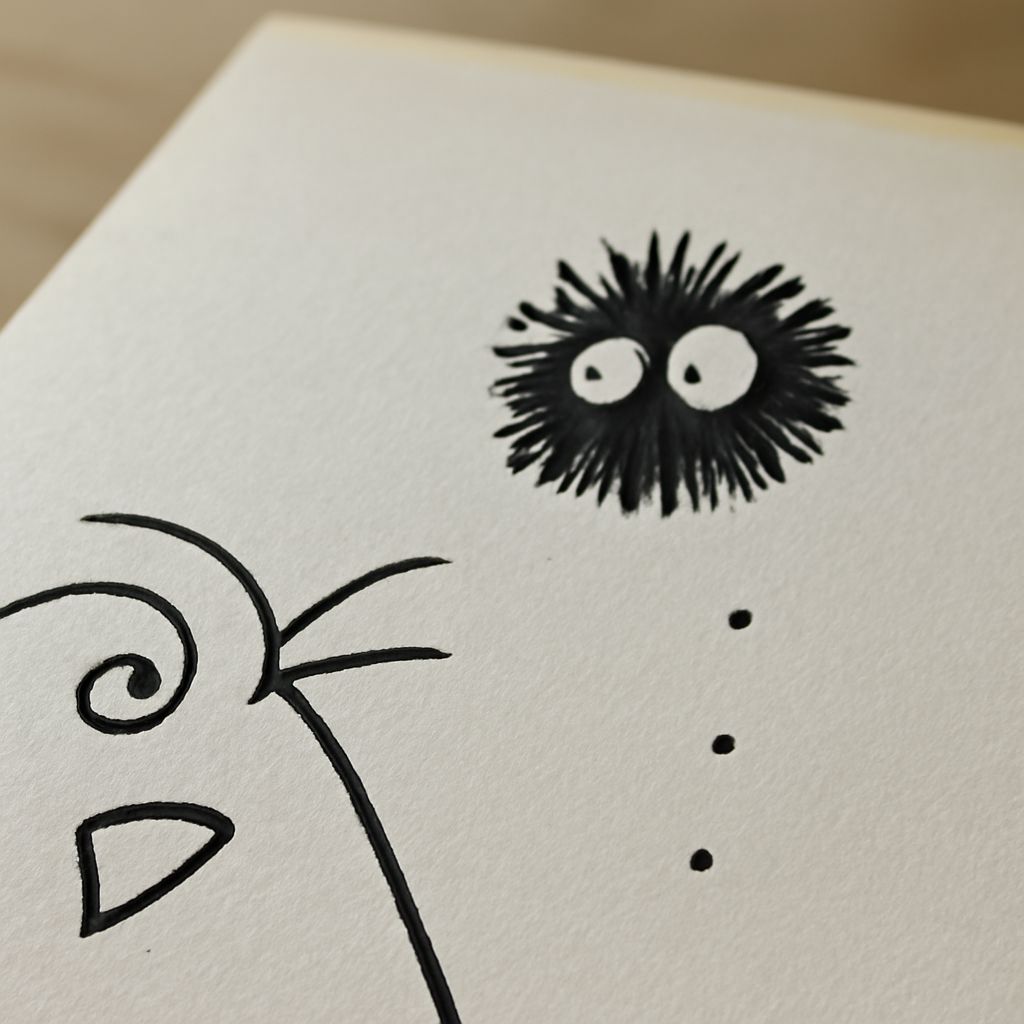
Stippling, another popular technique, uses dots to build up tone and texture. This method requires patience but results in intricate patterns and detailed gradations. Combining these techniques with smooth, continuous lines can produce dynamic compositions that captivate the viewer. As you practice, you’ll discover how to vary pressure and angle to achieve different effects and refine your unique style.
How to Ink a Drawing: Step-by-Step Guide
Learning how to ink a drawing effectively involves a structured approach. Start by sketching your initial design using a pencil on your chosen paper. This preliminary sketch serves as a guide for your ink lines. Once satisfied with the composition, begin inking the outlines with a fine-tipped pen to capture the basic structure of your drawing.
Next, move to the details, using varying pen sizes to add depth and interest. Apply your pen and ink drawing techniques, such as hatching or stippling, to build shadows and textures. Remember to work slowly and steadily, allowing the ink to dry to avoid smudging. Finally, review your work for any areas that may need refining or enhancing, ensuring a cohesive and polished finish.
Using a White Ink Pen for Drawing Effects
Incorporating a white ink pen into your illustrations can add a striking contrast and highlight specific areas of your drawing. This tool is particularly effective for creating highlights, adding shine, or defining edges on darker surfaces. A white ink pen can transform a flat image into a dynamic piece, offering an additional layer of depth and realism.
To use a white ink pen effectively, consider the lighting in your composition and apply highlights where light naturally falls. This technique can help emphasize the three-dimensionality of your subject. Experiment with different brands and nib sizes to find the white ink pen that complements your creative needs, as some pens offer greater opacity and control than others.
By understanding these elements—how to choose the best paper for ink drawing, mastering pen and ink drawing techniques, and knowing how to ink a drawing—you can enhance your ink illustrations significantly. The addition of a white ink pen further expands your toolkit, allowing you to add stunning effects that elevate your artwork.
Next Steps
Start by practicing these techniques with simple sketches, gradually increasing complexity as you gain confidence. Keep experimenting with different papers and pens, noting how each affects your style. As you refine your skills, you’ll discover a personal approach to ink illustration that resonates with your artistic vision.