Have you ever wondered how illustrators breathe life into their quirky characters, transforming simple lines into engaging narratives? Whether you’re aiming to learn how to draw cartoons as a hobby or to develop a professional skill, the world of cartoon drawing offers a playful yet structured path to creativity. From vintage Christmas cartoons that evoke nostalgia to the sleek designs of hot rod cartoons, illustrations allow for limitless expression. This guide will equip you with the techniques and understanding necessary to explore these diverse styles, ensuring your creations captivate and entertain.
Cartoon drawing is not just about creating humor; it’s a form of storytelling that captures the imagination through exaggerated features and simplistic forms. By diving into the fundamentals, you can develop your skills to craft your unique style—be it through stick figure cartoons or more complex designs. With a little guidance, anyone can transform their creative vision into striking illustrations.
Introduction to Cartoon Drawing
Cartoon drawing is an artistic discipline that uses visual simplicity to convey complex ideas and emotions. It’s a form that has evolved over the years, adapting to cultural changes and technological advancements. The playful nature of cartoons allows artists to push the boundaries of reality, capturing the essence of humor and satire with just a few strokes.
The appeal of cartoon drawing lies in its accessibility—anyone can pick up a pencil and start sketching. As you learn how to draw cartoons, you’ll discover different techniques that help bring your characters to life. From understanding proportions to mastering expression, these skills are essential for creating engaging illustrations.
Learn How to Draw Cartoons: Basic Techniques
To learn how to draw cartoons, begin with the basics of shapes and lines. Understanding how to manipulate these elements forms the foundation for all cartoon illustrations. Practice sketching circles, ovals, and rectangles before moving on to complex forms. These shapes are the building blocks for characters, objects, and backgrounds.
Once you have a handle on basic shapes, explore character design by exaggerating features. Large eyes, oversized heads, and elongated limbs are common in cartoons, adding charm and personality to your drawings. Experiment with different expressions and poses to understand how these changes influence the mood and story of your illustration.
Exploring Vintage Christmas Cartoons
Vintage Christmas cartoons hold a special place in the hearts of many, offering a nostalgic glimpse into the past. These cartoons often feature warm colors, charming characters, and festive scenes that evoke the holiday spirit. As you delve into this style, focus on creating a cozy atmosphere through your use of color and composition.
To capture the essence of vintage Christmas cartoons, pay attention to the details that define the era—such as classic outfits, old-fashioned settings, and joyful expressions. Incorporating these elements into your drawings will not only enhance their authenticity but also provide a rich canvas for storytelling.
Creating Hot Rod Cartoons
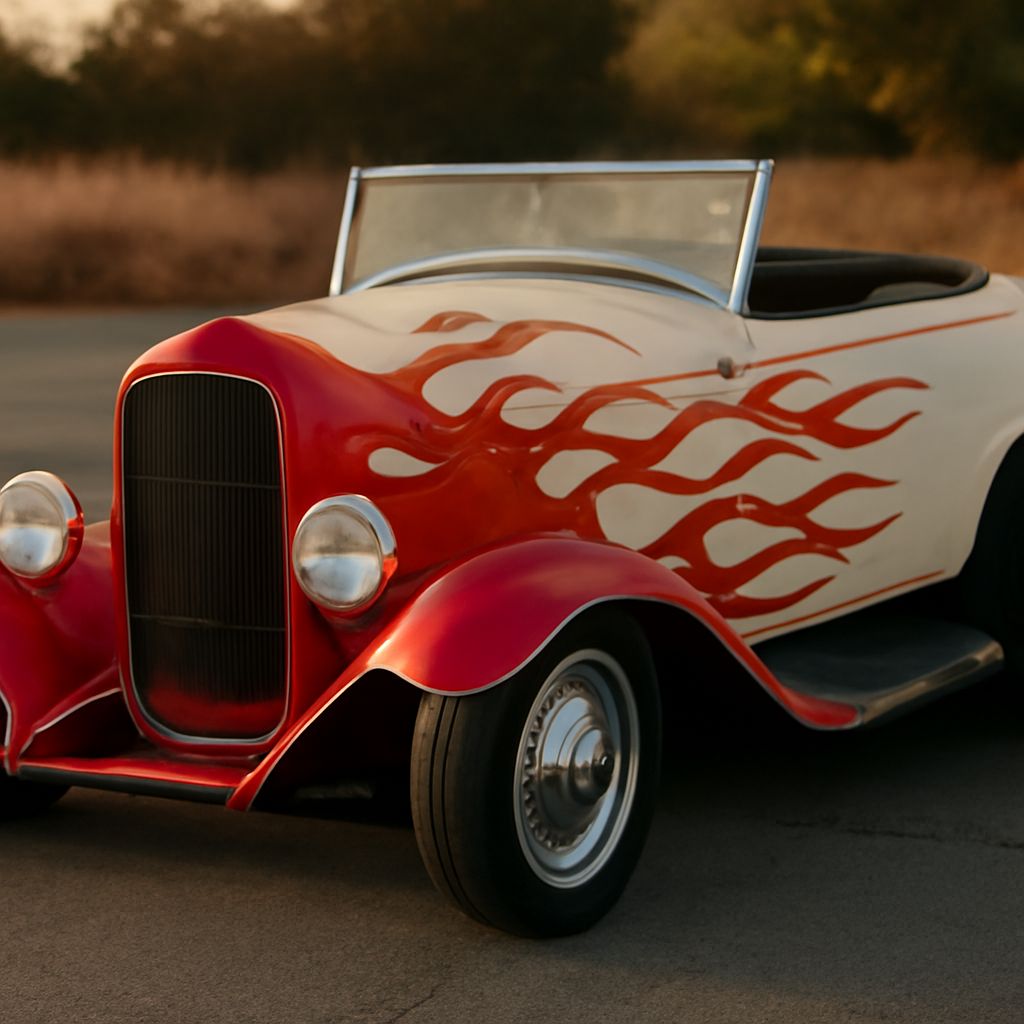
Hot rod cartoons are dynamic, energetic, and full of personality. These illustrations focus on the sleek lines and bold designs of customized cars, often depicted in exaggerated or humorous contexts. When drawing hot rod cartoons, start by understanding the anatomy of classic cars, then add your personal twist through exaggerated features like oversized wheels or flaming paint jobs.
The key to successful hot rod cartoons is capturing movement and speed. Use angled lines and foreshortening techniques to create a sense of motion and excitement. Allow your imagination to run wild with wild scenarios and colorful characters, creating a vivid world where your hot rods can race and roar.
Stick Figure Cartoons: Simplistic Creativity
Stick figure cartoons are a testament to the power of simplicity in storytelling. Despite their minimalistic design, these figures can convey a wide range of emotions and actions. When crafting stick figure cartoons, focus on the positioning and gestures of the figures to express your narrative effectively.
These cartoons are great for practicing storytelling techniques and exploring creative ideas without the complexity of detailed drawings. Stick figure cartoons can serve as a starting point for storyboard creation, helping you plan out scenes and character interactions before diving into more intricate illustrations.
Final Thoughts on Cartoon Drawing
Cartoon drawing is a vibrant and rewarding avenue for creativity. Whether you’re exploring vintage Christmas cartoons or crafting dynamic hot rod cartoons, each style offers unique challenges and joys. As you practice these techniques, remember that the most important aspect is to enjoy the process and let your imagination lead the way.
Next steps involve continuous practice and experimentation. Set aside time each week to hone your skills and try new styles. Join online communities or local workshops to share your work and gain constructive feedback. By embracing the diverse world of cartoon drawing, you can develop a distinctive style that reflects your unique artistic voice.