Have you ever wondered how to bring depth and texture to your watercolor paintings? The art of line and wash watercolor offers a captivating answer. By blending the precision of ink lines with the fluidity of watercolors, you can create artworks that are both structured and spontaneous. This technique opens up a world of creative possibilities for artists looking to explore and enhance their skills.
In this article, we’ll delve into various aspects of watercolor art, from mastering watercolor line techniques to exploring the dramatic effects of silhouette watercolor. You’ll also discover how to infuse energy into your work with watercolor drip effects and unleash your creativity with playful handprint watercolor projects. Whether you’re an experienced artist or a curious beginner, these techniques will help you elevate your artistic endeavors.
Introduction to Line and Wash Watercolor
The line and wash watercolor technique combines the crispness of pen lines with the soft, unpredictable nature of watercolors. This method allows artists to outline their subjects with detailed lines, then fill in with washes of color to add dimension. It’s a versatile approach that can be adapted to various subjects and styles, from landscapes to portraits.
By exploring line and wash watercolor, you gain the ability to juxtapose control and freedom in your artwork. The contrast between the defined lines and the fluid washes can create striking visual effects that capture the viewer’s attention.
Mastering Watercolor Line Techniques
To effectively use watercolor line techniques, it’s essential to understand the interplay between ink and watercolor. Start by practicing with different types of pens to see how they interact with your chosen watercolor paper. Finer pens can create delicate lines, while broader ones offer bold, expressive strokes.
Experiment with varying pressure and angle to achieve a range of effects in your watercolor line techniques. From gentle outlines to dramatic contours, the lines you create will serve as a blueprint for your watercolor washes. Remember, the success of watercolor line techniques lies in achieving harmony between the structured lines and the fluid colors.
Exploring Silhouette Watercolor Art
Silhouette watercolor art is a striking way to explore contrast and simplicity. By painting only the outlines of your subject against a vibrant wash of color, you can create a dramatic and eye-catching effect. This technique relies on the stark contrast between the silhouette and the colorful backdrop to make a bold statement.
When creating silhouette watercolor art, choose subjects with recognizable shapes. This could be anything from trees to cityscapes or figures. The key is to maintain a clean, solid silhouette against the energetic colors of your wash. As you experiment with silhouette watercolor, you’ll discover new ways to emphasize form and shape in your artwork.
Creating Dynamic Art with Watercolor Drip Effects
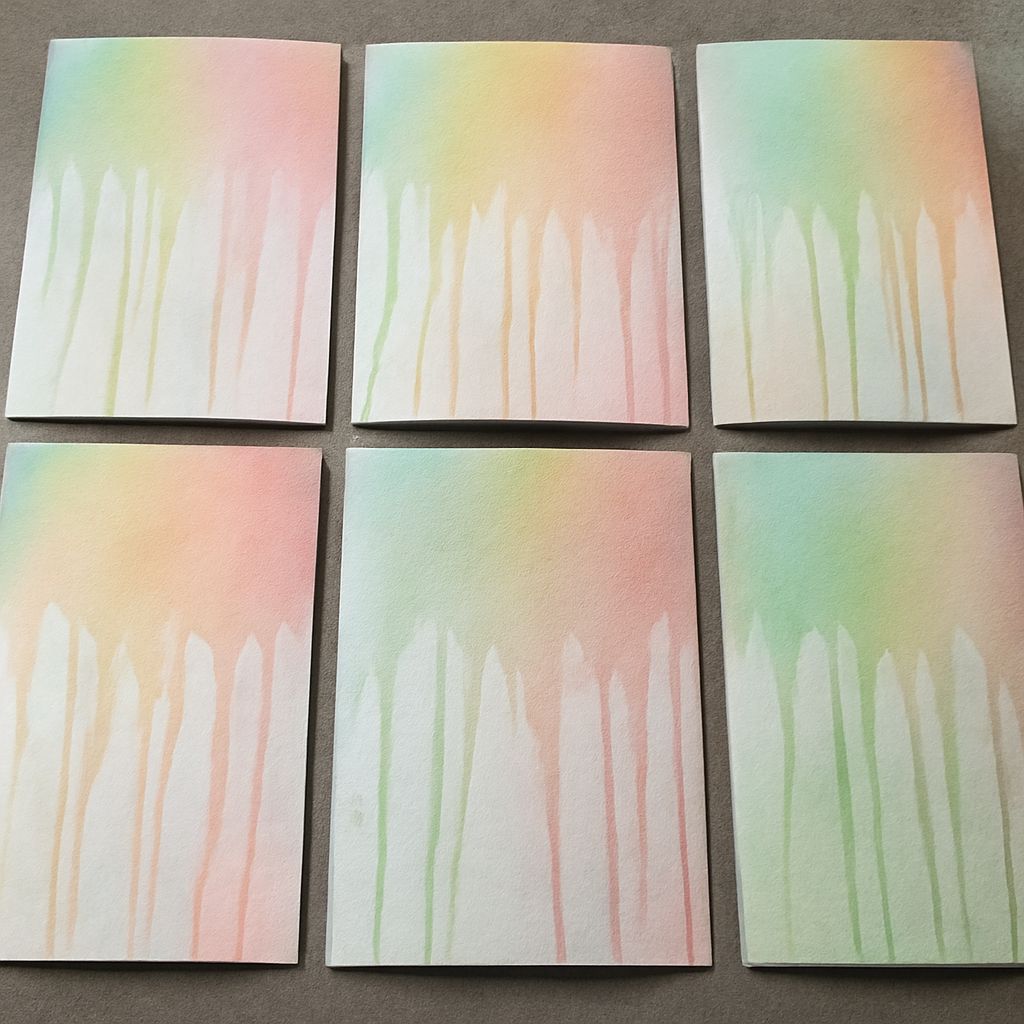
Introducing a sense of movement and spontaneity, watercolor drip effects can add an exciting dimension to your paintings. This technique involves adding watery pigment to your paper and allowing it to drip and flow freely. The resulting patterns can evoke a sense of motion or emotion, depending on your color choices and application.
To master watercolor drip effects, control the amount of water and pigment you use. Tilt your paper to direct the drips, or let them flow naturally for an organic look. As you explore various watercolor drip effects, you’ll learn how to balance chaos and control, creating art that is both dynamic and intentional.
Innovative Handprint Watercolor Projects
For a playful approach to painting, consider incorporating handprint watercolor projects into your repertoire. This technique involves using your hands as tools to apply paint directly to the paper. The tactile nature of handprint watercolor allows you to explore texture and form in a unique way.
Start by applying paint to your palms and pressing them onto the paper. Experiment with different pressures and movements to create diverse patterns and textures. Whether you’re aiming for abstract compositions or recognizable forms, handprint watercolor projects offer endless possibilities for expression and creativity.
Conclusion: Elevating Your Watercolor Art
By incorporating these techniques into your creative practice, you can transform your watercolor paintings into captivating works of art. Whether you’re drawn to the precision of watercolor line techniques, the boldness of silhouette watercolor, the movement of watercolor drip effects, or the playfulness of handprint watercolor, each method offers a distinct way to express your artistic vision.
Embrace the interplay between control and spontaneity, structure and fluidity. As you continue to explore these techniques, you’ll find that your watercolor art evolves in exciting and unexpected ways.