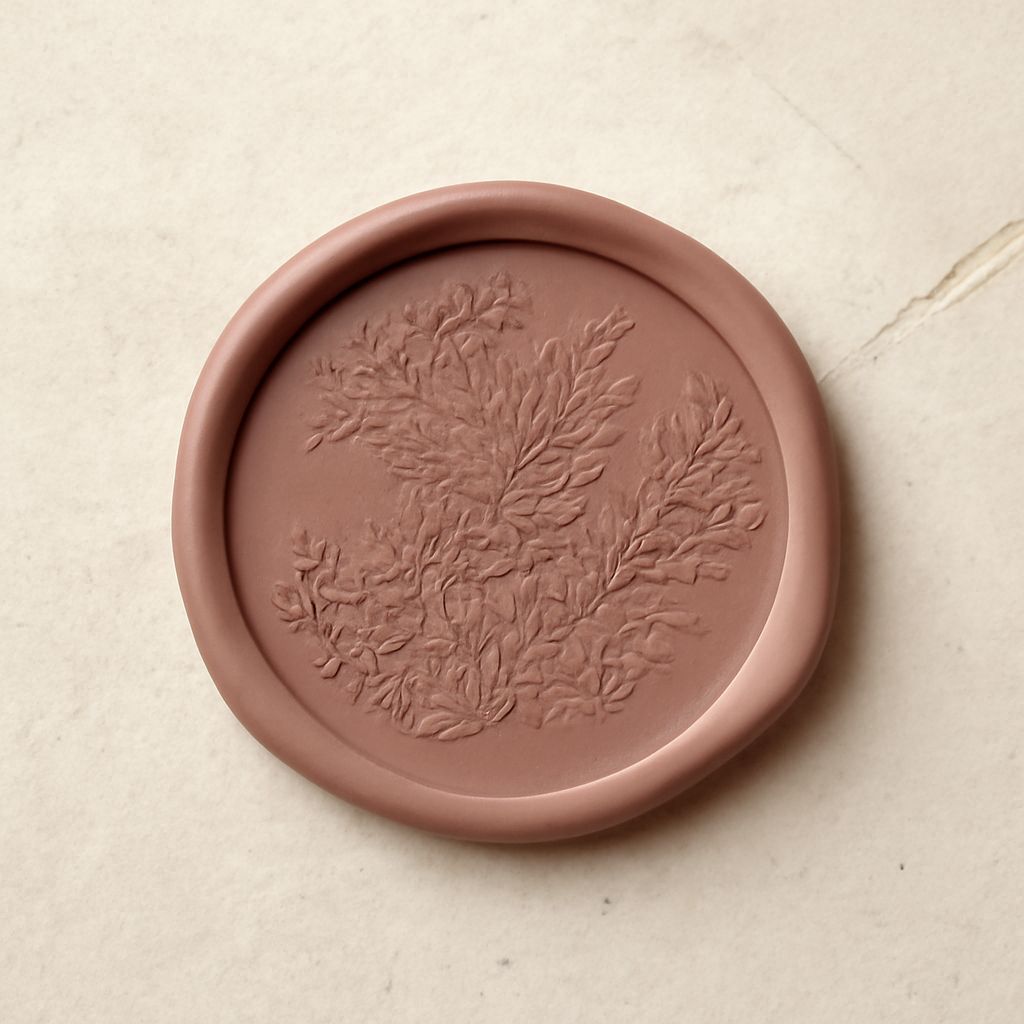
Have you ever wondered how to add a touch of magic to your watercolor paintings? The secret lies in mastering watercolor resist techniques. These methods can transform your art, adding layers of depth and intrigue. Imagine crafting a watercolor bouquet that feels as if it’s blooming off the page or designing a bespoke wax seal logo that perfectly captures your artistic vision. With the right tools, such as a watercolor easel, and techniques like wax resist watercolor, you can elevate your creativity and precision to new heights.
Watercolor painting is an art form that thrives on experimentation and innovation. By incorporating resist techniques, you can explore new dimensions in your work. This guide will delve into how you can leverage these techniques to enhance your art projects, whether you’re working on a detailed watercolor bouquet or a unique wax seal logo.
Understanding Watercolor Resist
Watercolor resist is a fascinating technique that involves applying a resistant substance to your paper, preventing the paint from adhering to certain areas. This creates striking contrasts and can highlight specific parts of your painting. Traditionally, artists use materials like masking fluid or wax to achieve this effect. The process allows for a controlled application of color, making it ideal for creating intricate designs.
As you explore this technique, you’ll find that it’s a perfect way to bring your watercolor bouquet to life. By highlighting key elements and adding texture, watercolor resist can transform a simple floral arrangement into a vivid, dynamic piece of art. Whether you’re a seasoned artist or a beginner, understanding and utilizing watercolor resist techniques will open up new possibilities in your creative endeavors.
Creating a Watercolor Bouquet with Resist Techniques
To create a stunning watercolor bouquet, start by sketching your design lightly on watercolor paper. Decide which areas you want to remain untouched by the paint and apply your chosen resist medium to those sections. Masking fluid is excellent for detailed work, while wax can be used for broader strokes. Once the resist is dry, begin painting your bouquet, allowing the colors to flow and blend naturally.
As you paint, the areas protected by the resist will remain white or retain the color of the paper beneath, adding depth and contrast to your bouquet. This method not only highlights the delicate petals and leaves but also adds a sense of realism and volume to your work. Experiment with different resist mediums to discover what works best for your style and the effect you wish to achieve.
Mastering Wax Resist Watercolor
Wax resist watercolor is a technique that uses wax as the resist material. A simple wax crayon or a special resist pencil can be used to draw on your paper before applying the watercolor paint. The wax repels the water-based paint, allowing you to create patterns and textures that stand out.
This technique is particularly effective for adding texture to your paintings. It can be used to mimic the delicate veins of leaves in a watercolor bouquet or to create abstract designs. To master wax resist watercolor, practice applying different pressures with your wax tool to see how it affects the final outcome. Remember, the beauty of this technique lies in its ability to surprise and delight with unexpected results.
Using a Watercolor Easel for Better Results
A watercolor easel is an invaluable tool for any serious artist. It provides a stable surface to work on, allowing you to adjust the angle of your paper for optimal control and comfort. This is especially beneficial when working with resist techniques, as the angle can affect how the paint flows and settles on the paper.
When using a watercolor easel, you can easily manipulate the direction of your brush strokes and paint washes. This control is essential when creating detailed works like a watercolor bouquet or a wax seal logo, as it helps you maintain precision and accuracy throughout your painting process. Investing in a quality watercolor easel can significantly enhance your artistic output and make your painting sessions more enjoyable.
Designing a Wax Seal Logo with Watercolor
Creating a wax seal logo with watercolor is a unique way to add a personal touch to your art or branding. Begin by designing your logo and deciding which parts you want to highlight using a resist technique. Applying wax to these areas will ensure they stand out once you start painting.
Use bold colors and washes to bring your logo to life, allowing the wax resist to define the shape and intricacies of your design. As with a watercolor bouquet, the contrast achieved through resist will add depth and dimension to your logo. This technique not only enhances the visual appeal of your design but also adds a tactile element that can make your logo more memorable.
Experiment with different color combinations and resist materials to find what best suits your artistic vision. Designing a wax seal logo with watercolor is not just about aesthetic appeal; it’s about conveying a message and identity through your unique style.
Key takeaways: Watercolor resist techniques offer a magical way to elevate your art. Whether creating a watercolor bouquet or a wax seal logo, mastering these methods will enhance your creativity and precision. Explore different resist materials and tools like a watercolor easel to expand your artistic possibilities.