Have you ever wondered why patent drawing is a pivotal part of your patent application? Whether you’re an inventor or a professional illustrator, understanding the intricacies of patent drawing requirements can be the difference between approval and rejection. The patent drawing rules are not just guidelines; they form the backbone of your intellectual property claim. Grasping these concepts ensures your patent illustrations stand out and protect your innovative ideas effectively.
Understanding Patent Drawing Basics
What Are Patent Drawings?
Patent drawings are visual representations of your invention, detailing its design and functionality. They serve as a universal language that transcends verbal descriptions, making your invention comprehensible to patent examiners and the public.
Importance of Patent Illustrations
High-quality patent illustrations accurately convey the unique aspects of your invention, enhancing the clarity of your patent application. They help prevent misunderstandings and ensure your invention is comprehensively protected under intellectual property laws.
Key Patent Drawing Requirements
Technical Specifications
Adhering to patent drawing requirements involves meticulous attention to technical specifications. Your drawings should be clear, precise, and devoid of any unnecessary details. Use distinct lines, consistent scales, and appropriate margins to meet the standard criteria set by patent offices.
Common Mistakes to Avoid
Avoiding common pitfalls in patent drawing can save you time and effort. Common mistakes include using color, shading, or blurred lines, which can lead to rejection. Ensure that every aspect of your drawings aligns with the patent drawing rules to facilitate a smoother application process.
Navigating Patent Drawing Rules
Legal Considerations
Understanding the legal framework governing patent illustrations is crucial. Your drawings should maintain an objective perspective, avoiding any form of embellishment that could mislead or misrepresent the invention. Legal compliance not only protects your rights but also strengthens your patent’s validity.
Adhering to International Standards
For those seeking international protection, aligning your illustrations with global standards is necessary. Different countries may have specific patent drawing requirements, and familiarizing yourself with these can ensure your submission is universally acceptable.
Tips for Creating Effective Patent Illustrations
Choosing the Right Tools
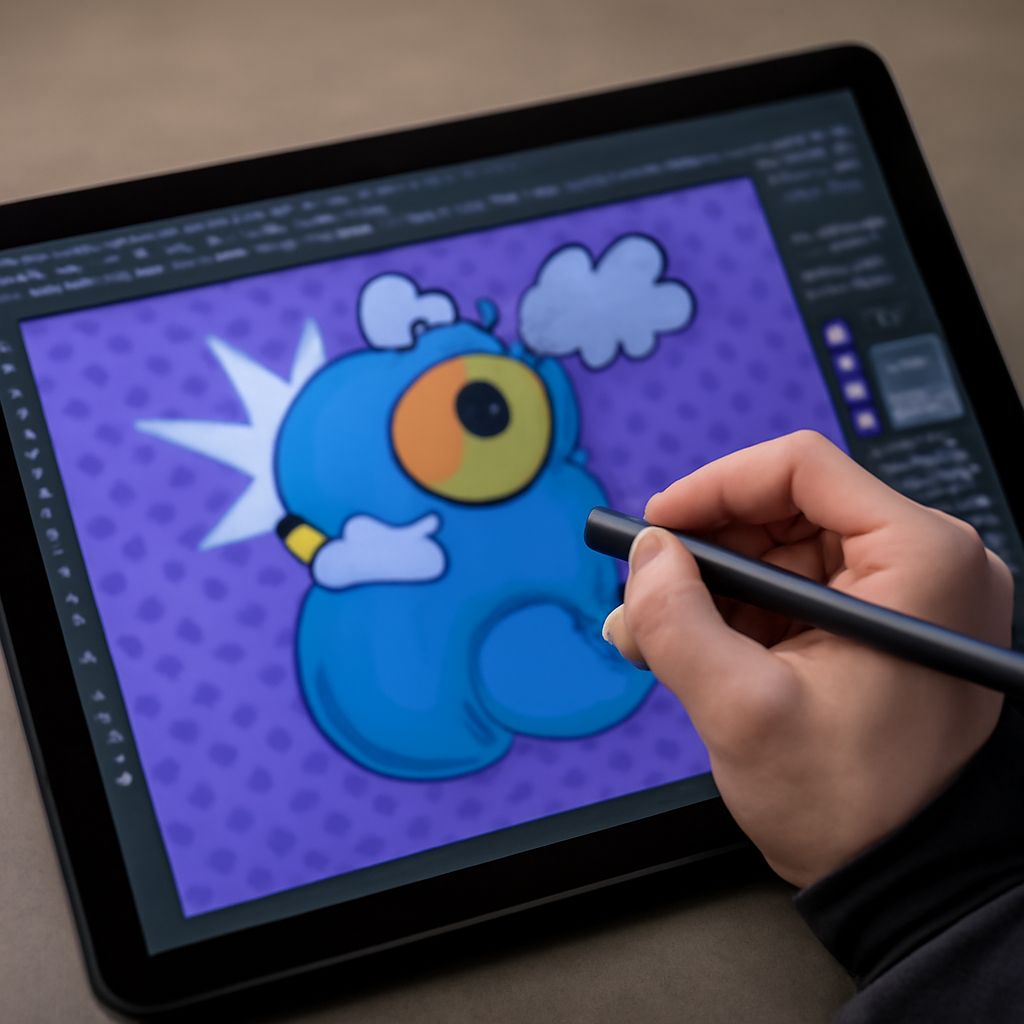
Investing in the right drawing tools can significantly impact the quality of your patent illustrations. Whether you prefer digital software or traditional methods, ensure your tools enhance precision and clarity.
Working with Professional Illustrators
Collaborating with professionals who specialize in patent drawing can be advantageous. They bring expertise and understanding of both technical specifications and legal nuances, ensuring your drawings meet the stringent patent drawing rules.
Conclusion and Best Practices
Summarizing Key Points
Navigating the world of patent illustrations requires a thorough understanding of both technical and legal requirements. By focusing on clarity, precision, and compliance, you can produce illustrations that effectively secure your invention’s intellectual property rights.
Final Recommendations
Always prioritize the quality and accuracy of your patent drawings. Consider leveraging professional help for complex illustrations and stay informed about evolving standards to maintain the integrity of your patent applications.