Have you ever wondered why the human skull captivates so many artists? Its unique structure offers both a challenge and a canvas for creative expression. From the subtle curves of the cheekbones to the intricate details of the zygomatic arch, each aspect of the human skull presents an opportunity to explore artistic techniques. But why limit yourself to just human anatomy? Exploring rabbit skull anatomy along with other animal skull drawings can offer a new dimension to your art. With these inspirations, you can even dive into the imaginative world of steampunk skulls and blend traditional methods with fantastical elements.
As you embark on this artistic journey, let’s explore these various skulls that might inspire your next masterpiece. The fusion of accurate anatomy with personal style is what makes each sketch unique. Whether you’re captivated by the detailed lines of a human skull sketch or find intrigue in the whimsical world of a steampunk skull, this guide will help you hone your skills.
Introduction to Skull Sketching
The Appeal of Human Skull Sketches
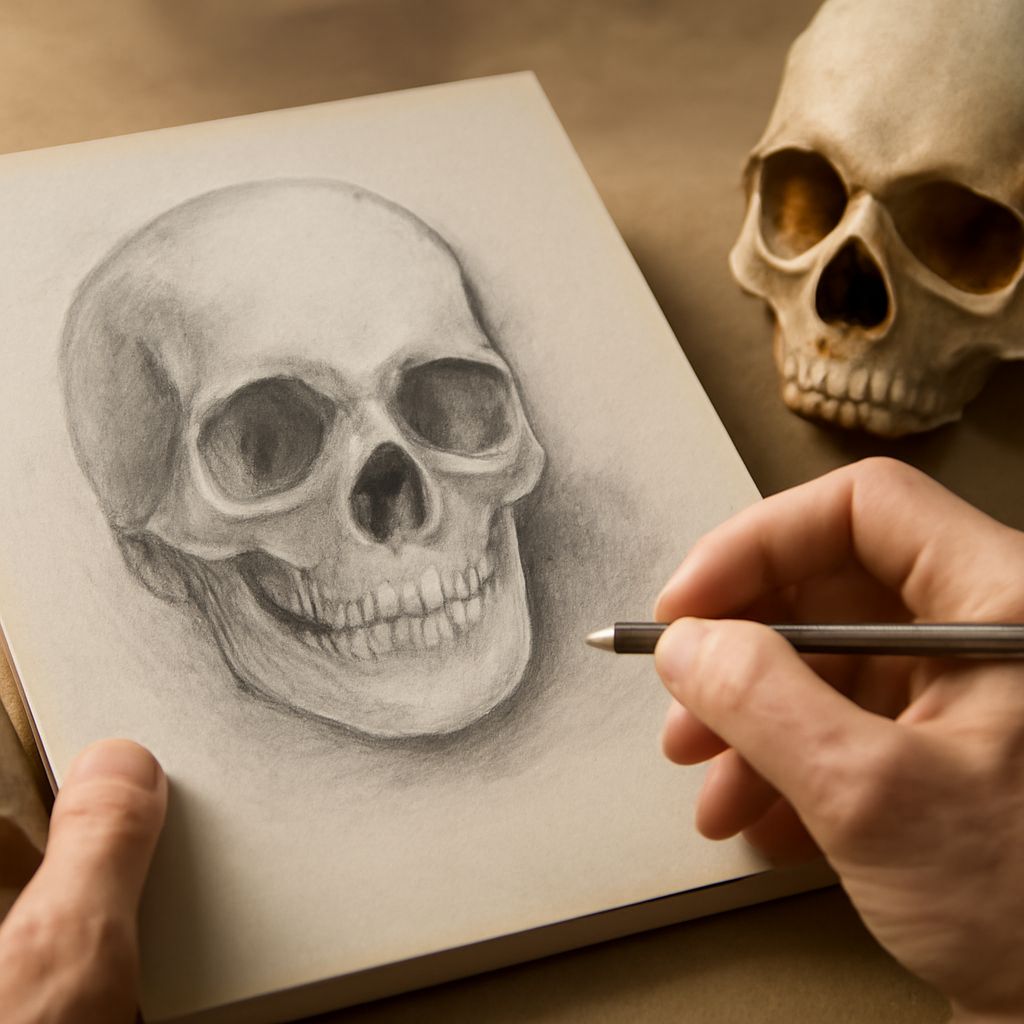
The allure of the human skull in art is timeless. Artists have long been fascinated by its form and the challenge it presents. A human skull sketch can be a powerful study in contrast and shading, capturing both the symmetry and the imperfections that make each skull unique. It provides an excellent opportunity to practice techniques like cross-hatching and stippling, which can bring out the depth and texture of the bone structure.
Using Animal Skulls for Artistic Inspiration While human skulls are a classic subject, animal skull drawings offer a wealth of variety and complexity. From the elongated snout of a wolf to the delicate structure of a bird, each animal presents a different challenge. By studying different skull structures, you can gain a deeper understanding of anatomy and improve your overall drawing skills. Rabbit skull anatomy is particularly fascinating due to its unique dental structure, offering a detailed study in perspective and proportion.
Exploring Rabbit Skull Anatomy
Understanding the Structure of Rabbit Skulls
Diving into rabbit skull anatomy can provide a unique perspective on skeletal structures. Rabbits have a distinctive skull with noticeable features such as a large orbital cavity and intricate nasal bones. Understanding these elements can enhance your ability to capture nuances in your sketches. By focusing on these anatomical details, you can create more lifelike representations that highlight the delicate balance between form and function.
Techniques for Sketching Rabbit Skulls
When sketching a rabbit skull, start by focusing on its overall shape and proportions. Use light, quick strokes to outline the large eye sockets and elongated nasal cavity. As you refine your animal skull drawings, pay attention to the interplay of light and shadow across the surface. By practicing various shading techniques, you can achieve a realistic depiction that captures the essence of a rabbit’s unique anatomy. This practice also translates well into creating other animal skulls, enhancing your versatility as an artist.
Creating Animal Skull Drawings
Incorporating Owl Skull Drawing Techniques
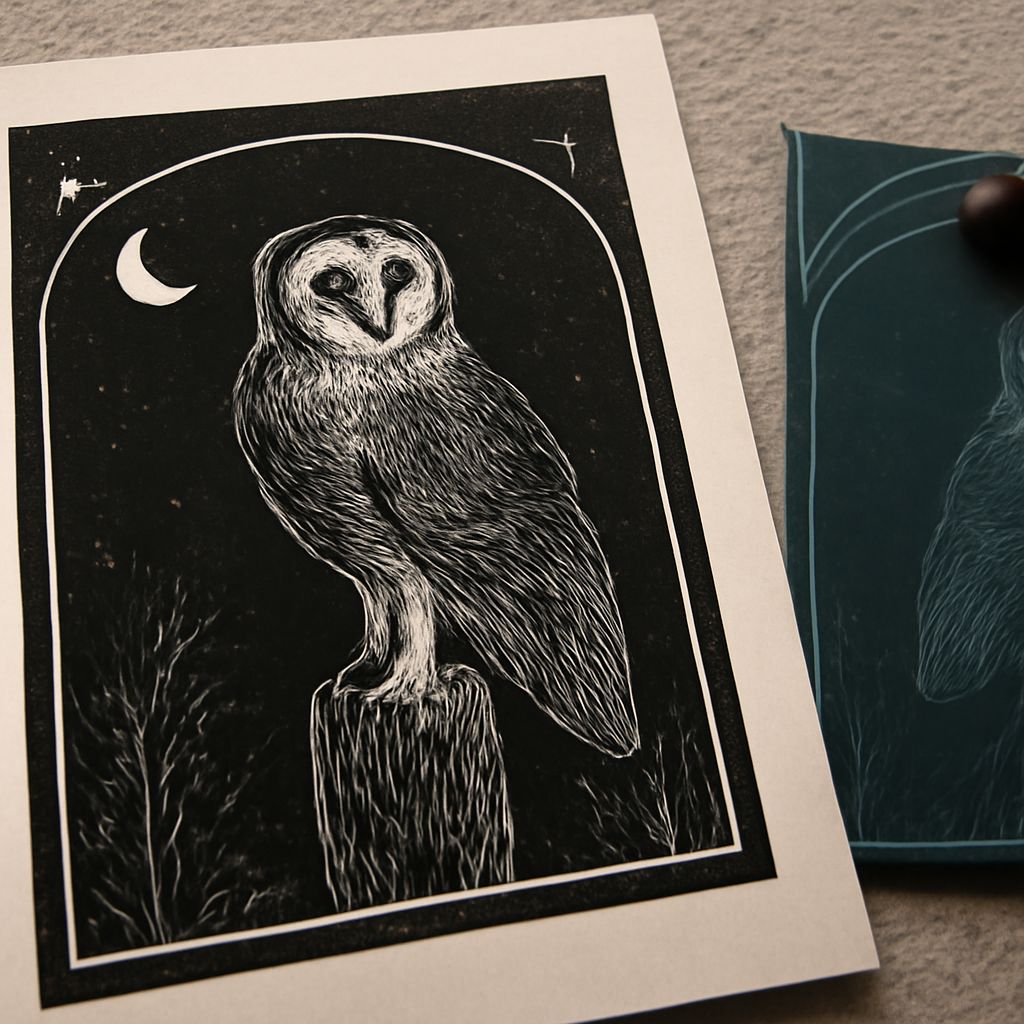
Owl skulls offer a different set of challenges and opportunities for artists. Their broad, round craniums and large eye sockets make them an interesting subject for studies in shape and texture. When working on an owl skull drawing, emphasize the symmetry and smooth curves that define its structure. This exercise can help you refine your skills in capturing the unique features of various animal skulls and improve your overall attention to detail.
Blending Styles with Steampunk Skull Drawings
For a more imaginative approach, consider integrating steampunk skulls into your repertoire. This style combines the mechanical with the organic, offering endless possibilities for creativity. When sketching steampunk skulls, experiment with adding gears, cogs, and other metallic elements to traditional skull structures. This blend not only tests your ability to mix different artistic styles but also allows for a deeper exploration of textures and contrasts, enriching your artistic expression.
Conclusion and Artistic Tips
Refining Your Skull Sketching Skills
As you continue to explore the world of skull sketching, remember that practice is key. Whether focusing on human skull sketches or venturing into animal skull drawings, each session should build upon the last. Pay attention to the flow of lines, the impact of shading, and the balance of forms. Continuously challenge yourself with new subjects and styles, such as steampunk skulls, to keep your work fresh and engaging.
Resources for Further Learning
To further develop your skills, consider exploring resources such as anatomy books, online tutorials, and art workshops. Engaging with a community of artists can also provide valuable feedback and inspiration. Websites dedicated to animal skull drawings and anatomy studies are excellent places to start. By immersing yourself in the study of skulls, you can enhance your understanding and create more dynamic and compelling sketches.
Pro tips recap: Focus on the distinctive features of each skull type, practice various shading techniques, and don’t shy away from blending styles like steampunk skulls to enhance creativity. Continuous practice and exploration will refine your unique artistic voice.