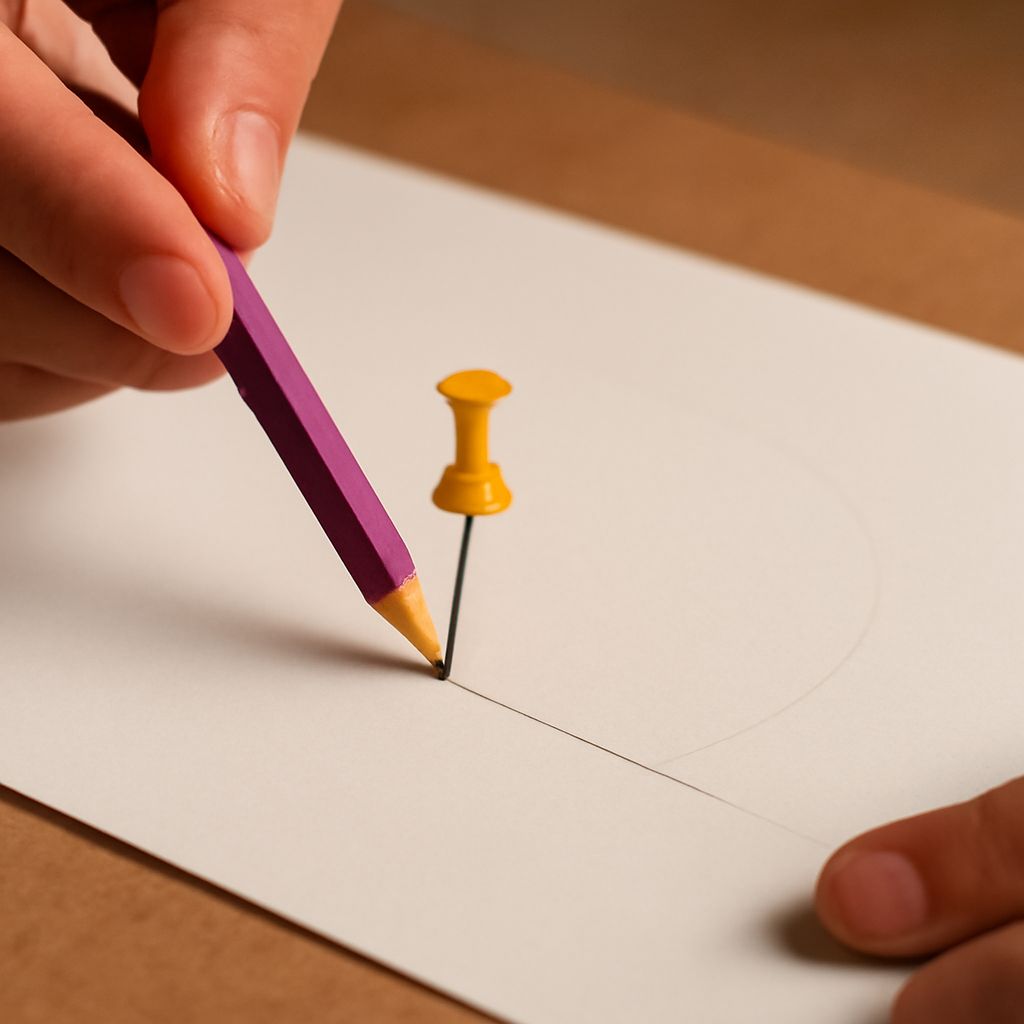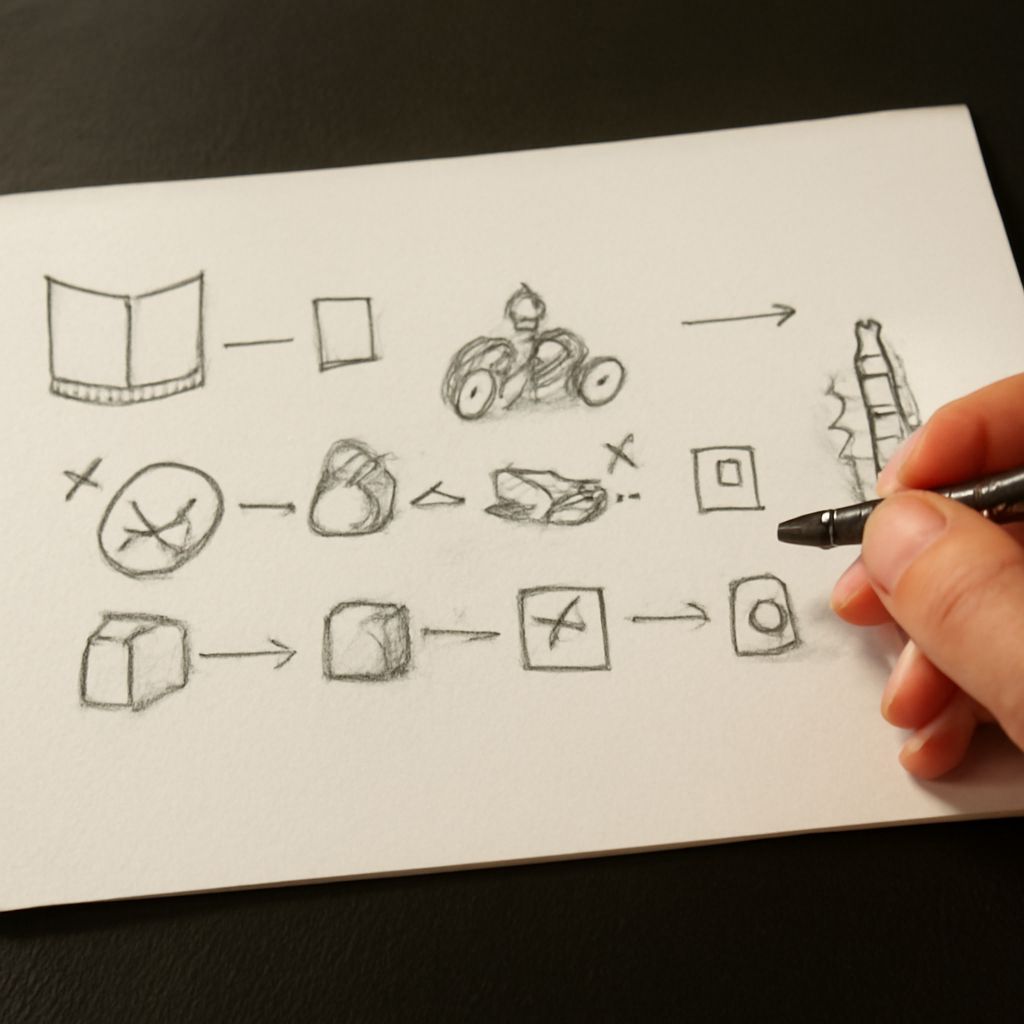
Have you ever found yourself struggling to capture the essence of a lecture or meeting? Maybe you’ve attempted to jot down notes only to find them lacking coherence and clarity. Enter sketchnotes. This innovative approach blends the art of drawing and sketching to create visual summaries that are not only engaging but also remarkably effective at enhancing comprehension and memory retention.
By combining text and imagery, sketchnotes transform abstract ideas into visual representations, making complex information easier to digest and remember. But what exactly are sketchnotes, and how can you harness their power to improve your learning and creativity? Let’s dive into the world of sketchnoting and discover how this technique can revolutionize your note-taking process.
Introduction to Sketchnotes
Sketchnotes are a visual form of note-taking that uses a combination of drawn elements, text, and symbols to depict information. Unlike traditional notes, sketchnotes leverage the brain’s ability to process images more rapidly than words alone. This unique approach can make your notes more memorable and engaging.
The Benefits of Sketchnoting
One of the greatest advantages of sketchnoting is its ability to enhance learning and retention. By translating spoken or written words into images, you engage different parts of the brain, which can lead to improved recall. Additionally, creating sketchnotes can foster creativity as you experiment with different drawing and sketching techniques to best convey your ideas.
Moreover, sketchnotes encourage active listening and critical thinking. As you decide which elements to include and how to arrange them visually, you become more focused and discerning about the information being presented.
Essential Tools for Sketchnoting
To get started with sketchnoting, you’ll need a few essential tools. A notebook with quality paper is crucial for ensuring your drawings are clear and smear-free. Pens and markers with varying tip sizes will give you the flexibility to emphasize different parts of your sketchnotes, while colored pencils can add visual interest and help categorize information.
While digital options are available, many sketchnoters prefer the tactile experience of traditional drawing. However, if you opt for digital tools, a tablet with a stylus can provide a versatile and eco-friendly alternative.
Basic Techniques for Sketchnoting
Start simple with basic shapes like circles, rectangles, and arrows to represent ideas and connections. Use icons and symbols to illustrate concepts effectively—think of a lightbulb for an idea or a gear for a process. Incorporate text strategically, using different font sizes or styles to differentiate between major points and details.
Practice is key. Initially, your sketchnotes may seem simplistic, but with time, you’ll develop a personal style that makes your visual notes both functional and aesthetically pleasing.
How to Get Started with Sketchnoting
Begin your sketchnoting journey by choosing a subject you’re passionate about. This will make the process enjoyable and less daunting. As you listen or read, identify key points and think about how they can be represented visually. It’s okay if your first sketchnotes are rough around the edges—focus on capturing the main ideas rather than creating a masterpiece.
Join online sketchnoting communities or attend workshops to gather inspiration and tips from fellow enthusiasts. Sharing your work and receiving feedback can accelerate your growth and confidence in using these techniques.
Advanced Sketchnoting Tips and Tricks
Once you’re comfortable with the basics, explore advanced techniques such as creating custom icons and using metaphors to represent complex ideas. Experiment with different layouts, such as radial mapping or grid-based designs, to find what works best for different types of information.
Consider incorporating elements of storytelling into your sketchnotes to create a narrative flow that guides the viewer through the information seamlessly. This approach can make your sketchnotes more relatable and engaging.
Next steps: To maintain your sketchnoting skills, practice regularly and challenge yourself with diverse topics. Keep experimenting with new styles and tools to refine your technique. Remember, the key to successful sketchnoting is not artistic perfection but effectively conveying ideas through visual means. Embrace the journey and watch as your ability to capture and communicate information visually evolves.