Have you ever wondered how to elevate your art with the timeless techniques of watercolor and ink? Combining these mediums, such as in pen and watercolor techniques, offers a unique blend of fluidity and precision, opening up a world of creative possibilities. The beauty of mixing pen and ink watercolor styles lies in their ability to complement each other, producing rich textures and striking contrasts. But what makes these techniques so captivating to artists today?
The versatility of pen and watercolor techniques allows artists to explore a vast range of styles and applications, from abstract compositions to detailed illustrations. This guide will walk you through the essentials of pen and ink watercolor art, helping you discover how to harness these techniques to develop your unique style.
Introduction to Watercolor and Ink Techniques
Why Combine Watercolor and Ink?
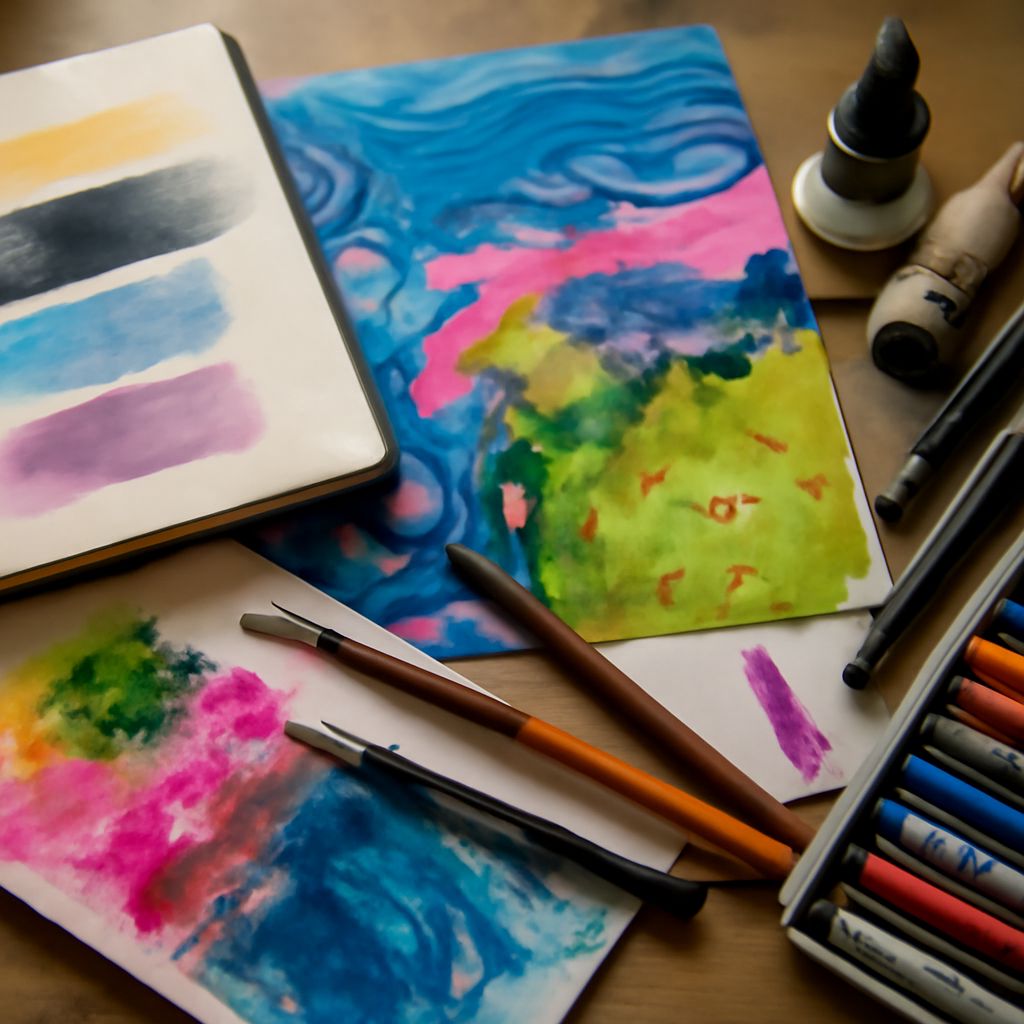
The seamless integration of watercolor and ink provides artists with the flexibility to create intricate lines alongside soft, flowing color washes. This combination is ideal for those looking to bring depth and dimension to their work. By mastering pen and watercolor techniques, you can achieve a balance of structure and spontaneity, elevating your artistic expression.
Historical Context and Evolution
Throughout history, artists have experimented with various combinations of media to push the boundaries of creativity. In particular, the fusion of ink and watercolor has been favored by painters seeking to enhance the visual impact of their compositions. From classic Asian brush paintings to contemporary illustrations, pen and ink watercolor has remained a popular choice among artists worldwide.
Contemporary Artists Using Pen and Watercolor
Today, many modern artists continue to explore the potential of mixed media, incorporating pen and watercolor techniques into their work. These artists embrace the distinctive qualities of each medium, using them to create compelling, visually engaging pieces that captivate audiences. As you delve into this art form, you’ll find inspiration in the innovative approaches of these contemporary creators.
Essential Tools and Materials for Pen and Ink Watercolor Art
Choosing the Right Watercolors and Inks
When selecting materials, consider the transparency and pigment quality of your watercolors. Professional-grade paints often deliver more vivid results, enhancing the impact of your artwork. Inks should be chosen based on their compatibility with watercolors and their ability to dry quickly without smudging.
Selecting the Best Pens for Watercolor Art
For detailed work, opt for pens with fine, durable nibs that can withstand the demands of your technique. Waterproof ink is essential to prevent bleeding when layered with watercolors. Exploring different pen types will help you discover which tools best suit your artistic style.
Paper Types for Watercolor and Pen Techniques
The paper you choose plays a crucial role in the success of your art. Look for high-quality, acid-free paper specifically designed for mixed media. The texture and weight should accommodate both ink lines and watercolor washes, allowing for smooth application and vibrant color retention.
Step-by-Step Guide to Creating Watercolor and Pen Art
Preparing Your Workspace
Creating a well-organized workspace is vital for maintaining focus and maximizing your creative potential. Ensure you have all necessary materials on hand and ample room for your paper and tools. Good lighting is also essential for accurately capturing the nuances of your work.
Basic Techniques for Watercolor and Ink
Begin with simple exercises to familiarize yourself with the interaction between ink and watercolor. Practice layering colors and experimenting with different pen strokes to develop a sense of how these mediums complement each other. As you gain confidence, you can start to incorporate more complex techniques into your repertoire.
Advanced Pen and Ink Watercolor Techniques
Once you’re comfortable with the basics, challenge yourself with advanced methods such as using negative space and exploring dynamic compositions. Consider integrating abstract elements with realistic details to create visually stimulating work that reflects your artistic vision.
Exploring Different Styles and Applications
Abstract Ink and Watercolor Art
Abstract art allows you to break free from traditional constraints and experiment with bold, expressive forms. Use pen and watercolor techniques to develop your own language of shapes and colors, capturing emotions and ideas through your work.
Realistic Pen and Watercolor Landscapes
For those drawn to realism, landscapes offer a rewarding subject matter. Capture the details of nature by blending precise ink lines with gentle watercolor washes to convey depth and atmosphere. The interplay of light and shadow can bring your scenes to life, inviting viewers into your depicted world.
Illustrative and Decorative Uses
Pen and watercolor techniques are perfect for creating decorative and illustrative pieces. Whether you’re designing greeting cards, book illustrations, or decorative art, these mediums offer the versatility needed to produce unique, eye-catching designs that capture attention.
Tips for Developing Your Unique Style
Experimenting with Colors and Textures
Don’t be afraid to push boundaries by experimenting with unconventional color palettes and textures. Mixing and matching different techniques will help you uncover new possibilities for your work. Embrace the unexpected and let your creativity guide you.
Incorporating Personal Themes and Narratives
Your art can be a reflection of your personal experiences and perspectives. Use pen and watercolor techniques to weave stories and convey messages through your compositions. By infusing your work with personal meaning, you’ll create art that resonates with both you and your audience.
Finding Inspiration and Overcoming Creative Block
Inspiration can come from anywhere—nature, music, literature, or even your day-to-day experiences. When facing a creative block, step away from your work and immerse yourself in activities that stimulate your imagination. Remember, the journey of creating art is as important as the final piece.
Conclusion: Embracing the Art of Watercolor and Ink
As you explore the vast possibilities of watercolor and ink, you’ll uncover an art form rich with potential and nuance. By mastering pen and watercolor techniques, you can transform your ideas into captivating works of art that reflect your unique perspective. Embrace the journey, and let your creativity flourish.