Have you ever found yourself mesmerized by the delicate strokes and vibrant hues of botanical watercolor art? Perhaps you’re drawn to the intricate details that capture the essence of nature, or maybe it’s the soothing effect of watercolor stationery that sparks your curiosity. As an art enthusiast or a budding creator, you might wonder how these stunning pieces come to life and how you can incorporate their beauty into your daily routine.
In this exploration of the world of botanical watercolor art, you’ll discover the unique charm of watercolor stationery, the art of creating watercolor crystals, and essential tips for mastering lavender botanical illustrations. Whether you’re an experienced artist or a curious beginner, these insights will guide you toward crafting breathtaking pieces and finding new ways to enjoy this delicate art form.
Introduction to Botanical Watercolor
Botanical watercolor art is a timeless practice that combines the beauty of nature with the fluidity of watercolor painting. It requires a keen eye for detail and a gentle touch, as each stroke captures the delicate nuances of plants, flowers, and other natural elements. This style of art not only offers a creative outlet but also serves as a meditative practice, allowing you to connect with nature on a deeper level.
Embracing botanical watercolor techniques can be a rewarding experience as you explore the interplay of colors and textures. By focusing on the natural world, you’ll enhance your observational skills and develop a greater appreciation for the intricacies of flora and fauna.
The Charm of Watercolor Stationery
Watercolor stationery holds a special place in the hearts of art lovers and stationery enthusiasts alike. The unique charm of watercolor stationery lies in its ability to convey emotion and personality through its subtle color transitions and delicate patterns. Whether used for personal notes, greeting cards, or invitations, these pieces add a touch of elegance and individualism to any correspondence.
When creating your own watercolor stationery, consider using high-quality paper and paints to ensure vibrant colors and smooth application. Experiment with different techniques, such as wet-on-wet or dry brush, to achieve various effects and textures. By incorporating botanical elements, you can create stunning pieces that reflect your personal style and artistic vision.
Creating Watercolor Crystals
The art of creating watercolor crystals combines the beauty of gemstones with the fluidity of watercolor painting. This technique requires a careful study of light, shadow, and color to capture the essence of crystalline structures. As you paint, focus on the play of light across the crystal’s facets, using washes of color to build depth and dimension.
To start, sketch your crystal outline lightly with a pencil. Then, begin painting with light, translucent layers, gradually adding more saturated hues to create depth. Use a fine-tip brush for detail work, capturing the sharp edges and intricate patterns of the crystal surface. Practice blending colors seamlessly to mimic the natural gradations found in real gemstones.
Mastering Watercolor Botanical Techniques
Mastering watercolor botanical techniques requires patience and practice, but the results are well worth the effort. Start by studying the structure and color palette of your chosen subject, whether it’s a blooming flower or a leafy vine. Pay attention to the subtle variations in color and form, and use these observations to guide your painting process.
Experiment with different watercolor techniques, such as layering, glazing, and wet-on-dry, to achieve realistic textures and depth. For foliage, use a combination of wet brushstrokes and dry brush techniques to create contrast and detail. Remember that practice makes perfect; the more you paint, the more confident you’ll become in your skills and artistic expressions.
Lavender Botanical Illustration Tips
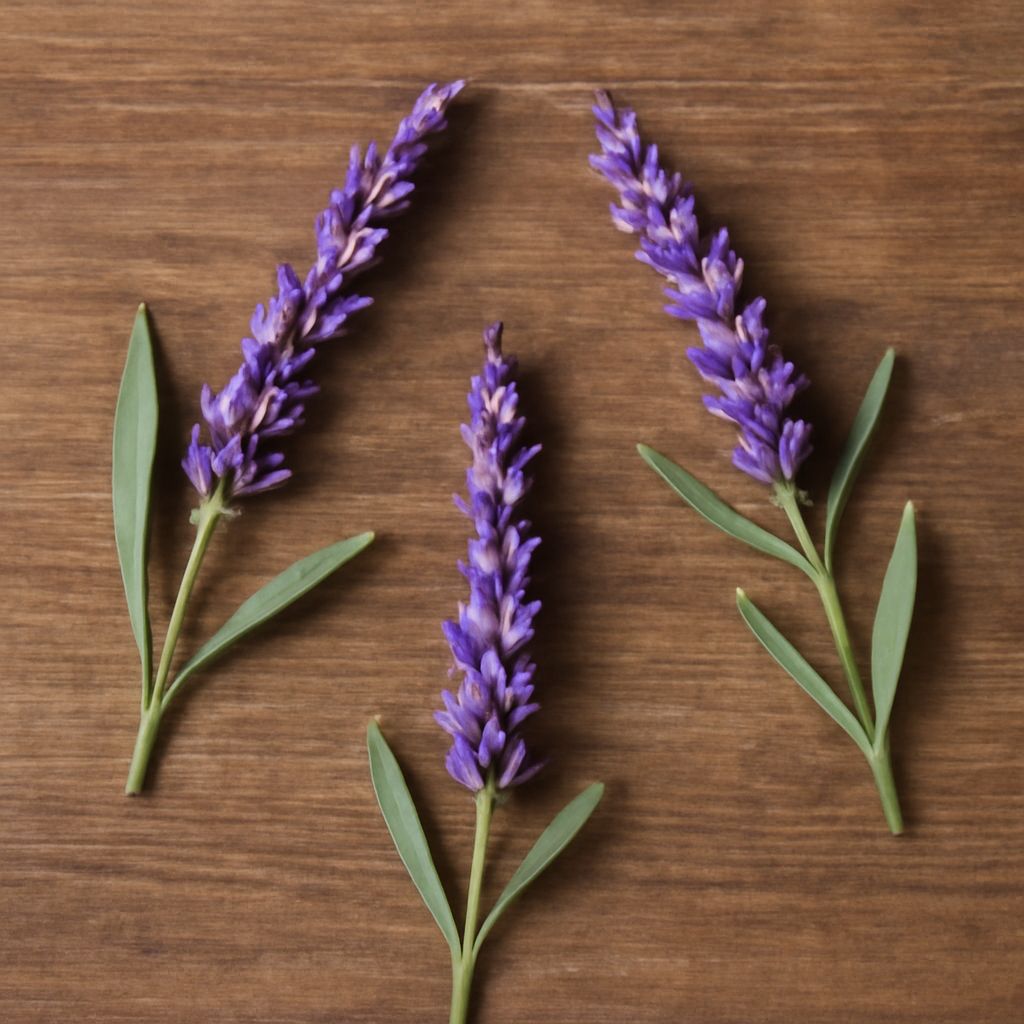
Lavender botanical illustrations are a favorite subject for many watercolor artists, thanks to their soothing color palette and graceful structure. When painting lavender, start by capturing the overall shape and form of the plant, focusing on the flow of the stem and the arrangement of blossoms.
Use a mix of purples, blues, and soft greens to create a harmonious composition. Pay attention to the details of each individual flower, using light washes to build up color and intensity. A fine brush will help you capture the tiny details of the lavender buds and leaves, giving your artwork a realistic and delicate appearance.
Incorporating Watercolor Art in Everyday Life
Incorporating watercolor art into your everyday life can bring a sense of tranquility and creativity to your routine. Consider using your watercolor creations in various aspects of daily living, such as decorating your home, personalizing gifts, or enhancing your journal.
Watercolor crystals can add a touch of elegance to home décor, while watercolor stationery provides a personalized touch to communications. Additionally, creating watercolor botanical pieces can serve as a meditative practice, allowing you to unwind and reflect on the beauty of the natural world.
By embracing the art of botanical watercolor, you open the door to endless possibilities for creativity and self-expression. Whether for personal enjoyment or sharing with others, your watercolor journey can enrich your life with color, beauty, and a deeper connection to nature.