Are you eager to explore the world of art through vibrant and versatile mediums? Drawing with oil pastels might be your perfect starting point. This comprehensive guide will not only help you understand the unique properties of oil pastels but also empower you with creative oil pastel drawing ideas for beginners. By examining oil vs acrylic vs watercolor mediums, you’ll uncover the possibilities that await your artistic journey.
Drawing with oil pastels offers a unique experience that differs significantly from using acrylics or watercolors. As a beginner, understanding the strengths and opportunities presented by each medium can inspire your creativity and confidence. Let’s dive into the essentials of oil pastel drawings and discover how these colorful sticks can transform your artistic endeavors.
Introduction to Drawing with Oil Pastels
What Are Oil Pastels?
Oil pastels are a type of art medium that combines pigments with a non-drying oil and wax binder, resulting in a rich, vibrant color application. Unlike other pastels, oil pastels offer a creamy texture that allows for smooth blending and layering, making them an ideal choice for artists seeking bold and vivid artwork.
Benefits of Using Oil Pastels
The benefits of using oil pastels are numerous. Their bright colors and versatility allow for both expressive and detailed work. The medium’s ability to maintain color integrity over time is a significant advantage, providing a long-lasting art piece. Furthermore, oil pastels can be used on a variety of surfaces, from paper to canvas, expanding your creative options.
Essential Tools for Oil Pastel Drawings
To begin your journey with oil pastel drawings, you will need a few essential tools. Quality oil pastels are crucial, as they provide better pigmentation and smoother application. You will also need textured paper, blending tools such as blending stumps or your fingers, and fixatives to preserve your finished work. Consider experimenting with various surfaces to explore the full potential of this medium.
Techniques for Oil Pastel Drawings
Blending and Layering Techniques
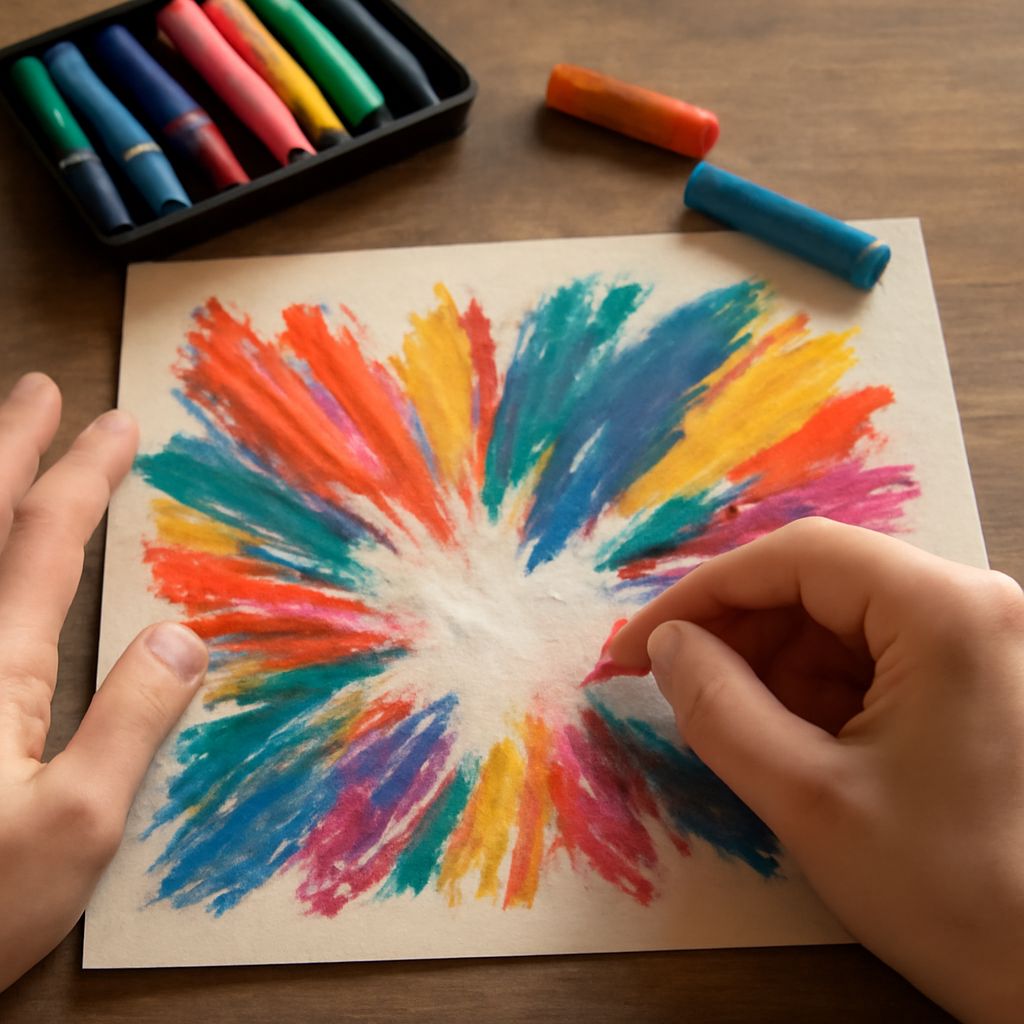
Blending and layering are fundamental techniques in oil pastel drawings. You can use your fingers or blending tools to smooth colors together, creating a seamless transition between hues. Layering involves applying multiple layers of pastel to build depth and intensity. Experiment with different pressure levels to discover a range of effects.
Creating Texture and Depth
Creating texture and depth can transform your oil pastel drawings into dynamic pieces of art. Scraping techniques, such as sgraffito, involve scratching off layers to reveal underlying colors. To add depth, consider using complementary colors and varying the intensity of your strokes. This can bring your subjects to life with realistic dimension.
Using Oil Pathfinders Effectively
Oil pathfinders are tools that help shape and define areas within your drawing. They can be used to guide delicate lines or to establish boundaries in your composition. By practicing with these tools, you can achieve greater precision and control in your artwork, enhancing the overall impact of your oil pastel pieces.
Oil vs Acrylic vs Watercolor: A Comparative Analysis
Characteristics of Oil Pastels
Oil pastels offer a unique set of characteristics that make them stand out among other art mediums. Their rich texture and ability to blend easily allow for a wide range of artistic expression. Unlike acrylics and watercolors, oil pastels do not require drying time, making them convenient for spontaneous creativity.
Comparing Acrylics and Watercolors
When comparing acrylics and watercolors, you’ll find that acrylics dry quickly and offer bold, opaque colors that can be layered effectively. Watercolors, on the other hand, are known for their translucency and fluidity, allowing for delicate washes and gradual color transitions. Each medium provides distinct artistic possibilities.
Choosing the Right Medium for Your Art
Choosing the right medium for your art depends on your personal style and artistic goals. If you seek vibrant, bold colors and immediate results, drawing with oil pastels might be the ideal choice. However, if you prefer the subtlety of blends or quick-drying features, consider exploring acrylics or watercolors to complement your artistic toolkit.
Creative Oil Pastel Drawing Ideas for Beginners
Simple Landscapes
Simple landscapes offer a great starting point for oil pastel drawing ideas for beginners. Begin by capturing the essence of sunsets, mountains, or fields with broad strokes and blended colors. Focus on the play of light and shadow to bring your landscape to life, using oil pastels to evoke the natural beauty of the scene.
Abstract Art
Abstract art allows for free expression and experimentation with oil pastels. Explore shapes, patterns, and colors without the constraints of realism. Embrace the medium’s vibrant palette to create striking compositions that reflect your inner thoughts and emotions. Abstract art can be a rewarding way to develop your style and confidence.
Still Life and Everyday Objects
Still life compositions provide an excellent opportunity to practice drawing with oil pastels. Choose everyday objects like fruit, flowers, or kitchen utensils as subjects, and focus on capturing their unique textures and colors. Experiment with light sources to add depth, and use blending techniques to highlight the details in your still life artwork.
Conclusion and Final Tips
Common Mistakes to Avoid
As you embark on your artistic journey, be mindful of common mistakes to avoid. Overworking your drawing can lead to a muddy appearance, so it’s vital to know when to stop. Additionally, ensure you use quality materials to achieve the best results. Practice patience and allow yourself space to learn and grow.
Continuing Your Artistic Journey
Continuing your artistic journey requires dedication and an open mind. Experiment with different techniques and subjects to discover what resonates with you. Seek inspiration from other artists and continuously refine your skills. Remember, the journey of mastering oil pastel drawings is as rewarding as the art you create.