What makes the game of chess such a compelling subject for artists? Is it the tension between the pieces on the board or the elegance of strategy and intellect? Enter the world of Checkmate Painting, where the timeless grandeur of chess comes alive through the delicate strokes of watercolor. This fusion of art and strategy not only captures the essence of the game but also transforms it into a visual spectacle. The allure of chess, when combined with the fluidity of watercolor, results in a masterpiece like The Chess Players Painting, where every brushstroke tells a story of calculated moves and artistic expression.
Introduction to Checkmate Painting
Checkmate Painting invites you to experience chess through a painter’s lens. It is more than just a depiction of the game; it is an exploration of the strategic dance that occurs on the board, rendered in the unpredictable medium of watercolor. The transparency and fluidity of watercolor add a layer of mystery and spontaneity, reflecting the unpredictable nature of chess itself.
The Significance of Chess in Art
Chess has long been a metaphor for life’s battles, a theme artists have explored for centuries. Its portrayal in art is not just about the game but the reflection of human nature, decision-making, and confrontation. Artists have often depicted scenes from chess games to symbolize conflict, strategy, and the mind’s triumph over emotions. In Checkmate Painting, this tradition continues, yet it does so by embracing the unique characteristics of watercolor—its ability to blend and bleed, capturing the fluid dynamics of the game.
Exploring The Chess Players Painting
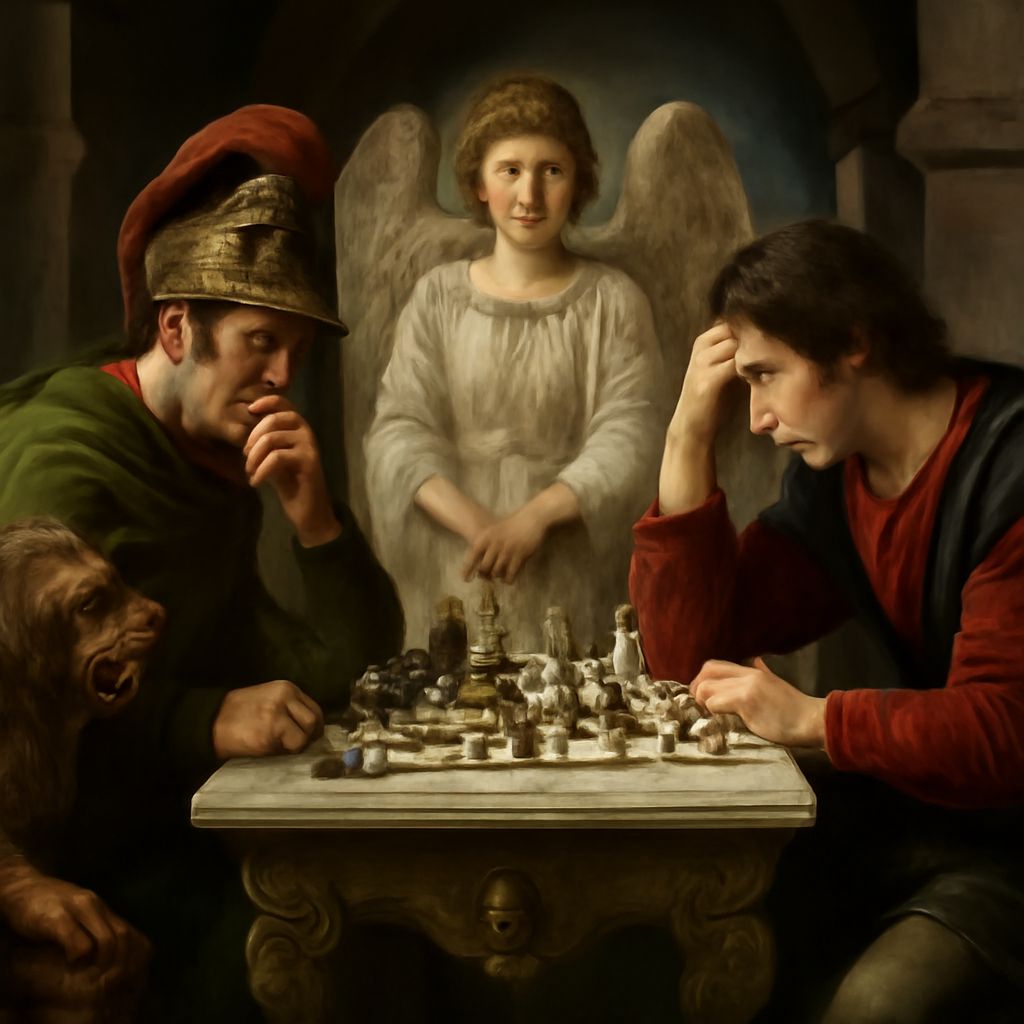
The Chess Players Painting stands as a quintessential example of how watercolor can encapsulate the intense focus and concentration of a chess match. This painting draws you in, making you a silent observer of the players’ minds at work. The subtle use of color and light captures the mood and atmosphere, highlighting the intricate balance between opponents. Each element, from the position of the pieces to the expressions of the players, contributes to the narrative and depth of the scene.
Watercolor Techniques in Checkmate Painting
The beauty of Checkmate Painting lies in its use of watercolor techniques that echo the complexities of chess. Artists employ wet-on-wet techniques to create soft transitions and blend colors, much like the fluid strategies in a chess game. The technique of layering, crucial in achieving depth, mimics the layers of thought behind each move on the board. These methods not only bring characters and pieces to life but also convey the tension and anticipation inherent in a match.
Furthermore, the ability to manipulate the transparency of watercolor allows artists to play with light and shadow, enhancing the drama and focus of each scene. The unpredictability of watercolor parallels the uncertainties in a chess game, where a single move can change the course of play.
Creating Your Own Checkmate Painting
If you are inspired to create your own Checkmate Painting, start by studying classic chess compositions and observing how pieces interact on the board. Sketching preliminary positions can help in understanding spatial dynamics. With watercolor, patience is key. Begin with light washes to establish the composition, gradually adding details and layers to build depth.
Experiment with various techniques to find your style. Use bold colors for dramatic emphasis or soft hues for subtlety. The interplay of water and pigment can be harnessed to capture the complexity and beauty of the game. Remember, in your painting journey, it is not just about replicating a game but expressing the strategic brilliance that chess embodies.
Conclusion: The Enduring Appeal of Chess Art
Chess art continues to captivate because it mirrors the intellectual rigor and emotional depth of the game itself. Through Checkmate Painting and pieces like The Chess Players Painting, artists can express the timeless appeal of chess. As you delve into this artistic exploration, you uncover not only the aesthetic beauty but also a deeper understanding of the game’s strategic nuances. In the end, the art of chess through watercolor reminds us of the elegance of strategy and the beauty of a well-played game.