Have you ever marveled at the dynamic and vibrant patterns created by watercolor splatter techniques? Perhaps you’ve wondered, is watercolor paint toxic, especially when used freely in creative ways? Exploring the world of watercolor can be both exhilarating and safe if you have the right knowledge. In this article, we’ll delve into the nuances of handmade watercolor paint, safety considerations, and the artful techniques that can bring your paintings to life.
Watercolor painting offers an expansive field of creativity, but it’s crucial to be informed about the materials you use. Understanding whether watercolor paint is toxic and the safety measures you should take is an integral part of the artistic process. Whether you’re mixing your own handmade watercolor paint or experimenting with watercolor splatter techniques, knowing how to create visually stunning and safe art is key.
Understanding Watercolor Paint
Watercolor paint stands out for its translucent quality and the unique texture it brings to art. Composed mainly of pigments and a binder, typically gum arabic, it allows for a wide range of artistic expression. The beauty of watercolor lies in its unpredictability and the way colors blend seamlessly on paper.
When you explore watercolor splatter techniques, you’re essentially embracing the medium’s fluidity. This method involves applying paint in a spontaneous way, resulting in patterns that can mimic natural forms or abstract designs. Understanding the basic components of watercolor paint enhances your ability to manipulate and use it effectively.
Is Watercolor Paint Toxic?
A common question among artists is, is watercolor paint toxic? Generally, most commercial watercolor paints are considered safe for use. However, some pigments, especially those labeled “cadmium” or “cobalt,” may contain elements that could be harmful if ingested or inhaled over prolonged periods. Always check the labels for any warnings or hazard symbols.
If you are concerned about toxicity, consider using non-toxic, child-friendly paints or make your own handmade watercolor paint. Protective measures, such as working in a well-ventilated area and avoiding direct contact with paint, further reduce risk. Thus, with informed choices, watercolor painting remains a safe and enjoyable pursuit.
Creating Handmade Watercolor Paint
Creating your own handmade watercolor paint can be a rewarding process that allows for customization and control over the materials you use. You can achieve vibrant colors by mixing natural pigments with a binder like gum arabic. This DIY approach not only ensures safety but also enhances your connection with the medium.
To start, gather natural pigments, distilled water, and gum arabic. Mix the pigments with a small amount of water to form a paste, gradually adding the binder until you reach a smooth consistency. This method not only assures you of non-toxic paint but also allows you to experiment with textures and colors uniquely tailored to your artistic vision.
Exploring Watercolor Splatter Techniques
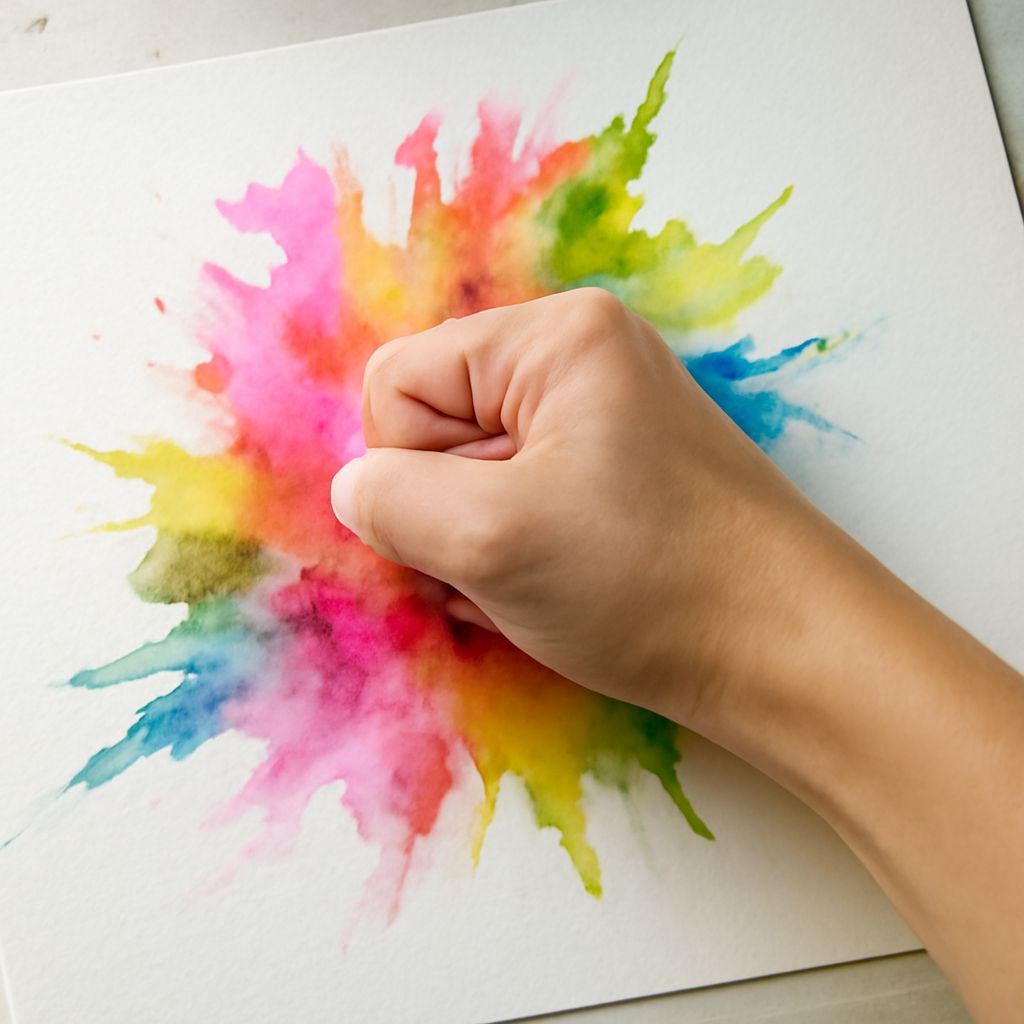
The watercolor splatter techniques open a world of creative possibilities. This technique involves flicking paint onto the paper, and the result is a spontaneous and lively pattern. The unpredictability of splatter can add energy and movement to an otherwise static composition.
Experiment with different tools and methods to achieve varied effects. A toothbrush or stiff-bristled brush can create fine, evenly distributed splatters, while a larger brush can produce more dramatic splashes. The key is to allow your creativity to guide the process, embracing the randomness that splatter techniques bring to your work.
How to Create Watercolor Paint Splatter Effects
Creating watercolor paint splatter effects is both simple and fun. Begin by loading your brush with diluted watercolor paint. Holding the brush over your paper, use your finger or another tool to flick the bristles, allowing the paint to scatter. Adjust the distance and angle to control the splatter’s size and direction.
For more intricate designs, use masking fluid to protect certain areas of your paper before applying the splatter. This technique can highlight specific parts of your painting and add depth. Practice will help you develop precision, but even the most spontaneous splatter can yield stunning results.
Tips for Using Splatter Watercolor in Artwork
Integrating splatter watercolor into your artwork can significantly enhance your compositions. Consider the mood you want to convey; splatter can evoke feelings of chaos, energy, or subtle whimsy, depending on how it is applied. Experiment with color combinations to see how they interact and transform on paper.
Balance is key when using splatter techniques. Avoid overwhelming your composition by pairing splatter with more controlled watercolor methods. Use splatter strategically to draw attention to focal points or create dynamic backgrounds. Remember, with watercolor, less can often be more.
Bottom line: Watercolor painting, with its rich history and diverse techniques, offers endless possibilities for creative expression. By understanding the materials, addressing safety concerns, and mastering both traditional and innovative techniques, you can elevate your artwork to new heights. Explore the world of watercolor with confidence, knowing that each splatter brings you closer to artistic mastery.