Have you ever wondered how to achieve the perfect blend of colors in your watercolor paintings? The secret often lies in understanding the watercolor color wheel. This essential tool can transform your artwork by guiding you in selecting harmonious hues. Whether you’re aiming to create vibrant watercolor poppies or experimenting with loose watercolor techniques, mastering this wheel can be your gateway to vivid and stunning results. As you dive into painting iris watercolor masterpieces, integrating the watercolor wheel in your art can be the key to unlocking your creative potential.
Understanding the Watercolor Color Wheel
The watercolor color wheel is a fundamental tool for artists, providing a visual representation of colors and their relationships. By understanding how colors interact on the wheel, you can make informed choices in your artwork, achieving balance and contrast. Primary colors—red, yellow, and blue—serve as the foundation. When mixed, they create secondary colors, and further mixing leads to a plethora of tertiary hues. This wheel is not just a guide; it’s a map to the vibrant possibilities in your watercolor journey.
Paying attention to complementary colors can enhance the vibrancy of your watercolor poppies, making them practically leap off the page. Conversely, analogous colors—those next to each other on the wheel—can create serene, harmonious paintings, ideal for capturing the subtle beauty of iris watercolor.
Creating Vibrant Watercolor Poppies
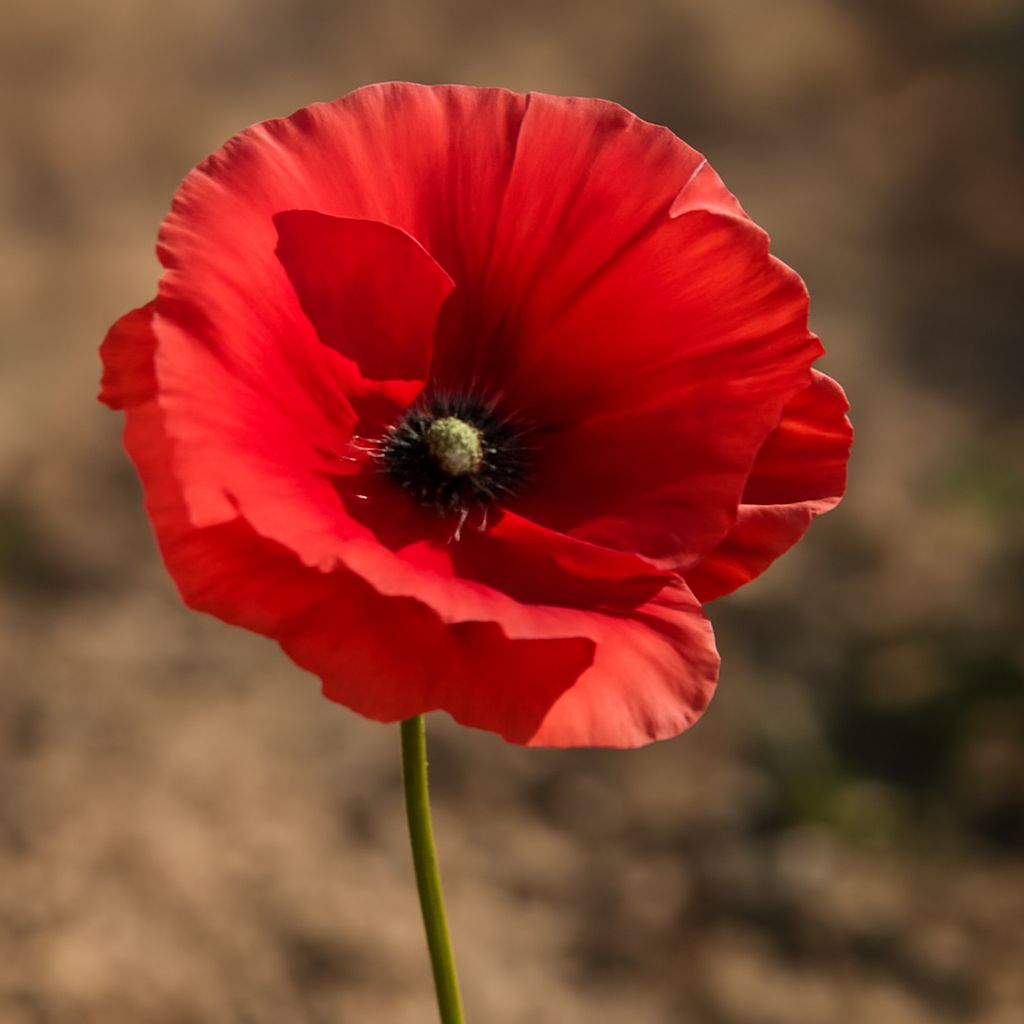
Watercolor poppies are a delightful subject that allows you to explore the vivid spectrum of reds and oranges available on the watercolor color wheel. Begin by selecting a warm red and an orange, blending them to capture the essence of poppies in full bloom. Your strokes should be bold yet graceful, utilizing the transparency of watercolor to layer colors and create depth.
Don’t forget to incorporate loose watercolor techniques to let the colors bleed and blur at the edges, mimicking the delicate petals of poppies. By allowing the colors to merge naturally, you can create paintings that are both dynamic and ethereal, a true celebration of nature’s vibrancy.
Exploring Loose Watercolor Techniques
Loose watercolor techniques are all about embracing spontaneity and movement in your art. These methods allow the paint and water to interact freely, resulting in unexpected and delightful results. The key is to relax your grip and let the brush dance across the paper. This approach is perfect for capturing the fluidity of subjects like watercolor poppies, where precision takes a backseat to expression.
Experiment with different levels of water saturation and brush sizes. By doing so, you can control how the paint spreads, creating soft transitions or bold, defined edges. Utilize these techniques to enhance the natural beauty of iris watercolor, allowing the colors to flow and blossom across the page.
Painting Iris Watercolor Masterpieces
Creating iris watercolor masterpieces offers a wonderful opportunity to explore the subtleties of color and form. These flowers, with their intricate patterns and shades of purples and blues, can be challenging yet rewarding subjects. Start with a light wash of your chosen base color, allowing it to dry before adding layers of detail.
Use the watercolor color wheel to find complementary shades that will enrich your iris paintings. By balancing cool blues with warm yellows or greens, you can add depth and intrigue to your pieces. Employ loose watercolor techniques to capture the gentle curves and folds of the iris petals, highlighting their delicate elegance.
Integrating the Watercolor Wheel in Your Art
The watercolor color wheel is more than just a tool for selecting colors; it’s an integral part of the creative process. As you become more comfortable with the wheel, you’ll find yourself instinctively reaching for specific hues to achieve the desired mood and tone in your paintings.
Practice mixing colors directly on the palette and on the paper, observing how they interact. This hands-on approach will deepen your understanding of color theory, allowing you to create more sophisticated and harmonious works. Whether painting watercolor poppies or iris watercolor, let the wheel guide you in crafting vivid and cohesive compositions.
Tips for Enhancing Your Watercolor Skills
To elevate your watercolor paintings, consider these pro tips:
- Embrace experimentation. Try new techniques and color combinations without fear of failure.
- Invest in quality supplies. Good brushes and paper can significantly impact the final appearance of your work.
- Study the works of masters. Analyzing their use of color and technique can inspire and inform your own art.
- Practice regularly, focusing on both technique and creative exploration.
- Join a community of artists. Sharing insights and feedback can accelerate your growth.
By consistently applying these strategies, you can enhance your skills and confidence, allowing your unique artistic vision to flourish.