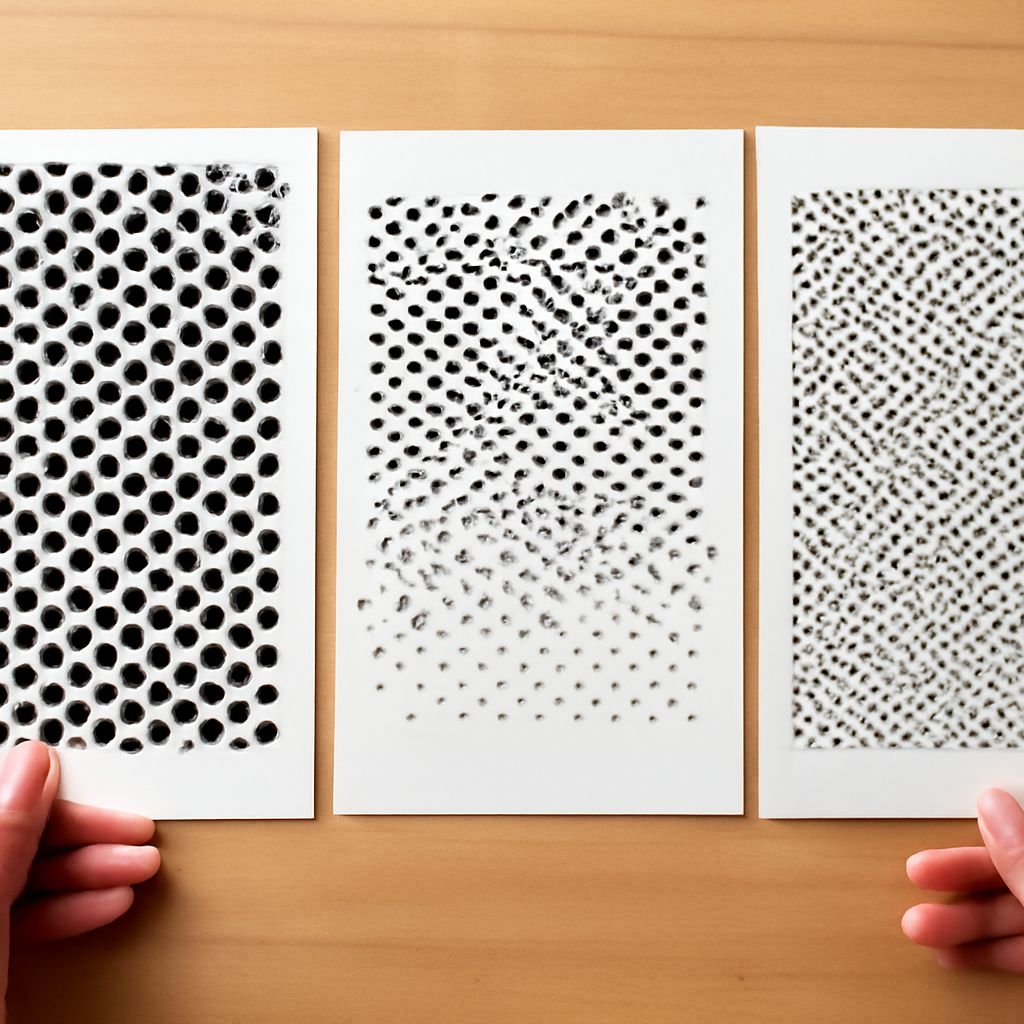
Have you ever wondered why certain illustrations capture your attention more than others? The secret might lie in a technique that dates back to the 19th century. Enter the world of Ben Day and his revolutionary Ben-Day dots. These tiny dots transformed how artists and designers approached shading and color gradients, creating a visually striking effect that continues to influence modern infographics and art.
By exploring how Ben-Day dots have evolved, you’ll gain insight into their significant impact on the visual world. Whether you’re an artist or a design enthusiast, understanding Ben Day’s innovation offers a fascinating glimpse into how this simple yet effective method continues to shape contemporary aesthetics.
Introduction to Ben Day and His Dots
Ben Day, an American illustrator, developed a system of small, evenly spaced dots to create shading and tonal variations in print media. Known as Ben-Day dots, this technique became a cost-effective way for newspapers and comic books to add depth to their illustrations. By varying the size and spacing of the dots, artists could achieve a range of colors and shades without the need for expensive printing processes.
The simplicity and versatility of Ben-Day dots led to their widespread adoption in various forms of media. From enhancing comic strips to adding flair to infographics, this method proved invaluable in making printed graphics more visually appealing. As you explore further, you’ll understand not only the technical aspects but also the cultural impact of Ben Day’s technique.
The History and Evolution of Ben-Day Dots
The story of Ben-Day dots begins in the 1870s when printing technology was still developing. Ben Day’s innovation provided a solution for newspapers and magazines seeking affordable ways to incorporate illustrations. Over time, the technique evolved, becoming an essential tool for various artists, including the iconic Roy Lichtenstein, who brought Ben-Day dots into the realm of fine art.
As printing technology advanced, the use of Ben-Day dots expanded beyond traditional media. They found their place in pop art and graphic design, offering a retro aesthetic that continues to captivate audiences today. This evolution highlights the enduring relevance of Ben Day’s original concept, proving its adaptability across different artistic domains.
The Role of Ben-Day Dots in Illustration
Ben-Day dots revolutionized how illustrations were perceived and produced. By allowing artists to simulate gradients and shading, these dots provided a dynamic range of visual effects that enhanced storytelling in comics and animations. You’ll discover that this technique enabled artists to express emotions and actions vividly, making narratives more engaging for the audience.
In addition to comics, Ben-Day dots became a staple in advertising and poster design. Their ability to create eye-catching visuals made them a favored choice for brands seeking to stand out in crowded marketplaces. Through examining various illustrations, you can appreciate the versatility of Ben-Day dots in crafting compelling imagery.
Ben-Day Dots in Modern Infographics
In the realm of modern infographics, Ben-Day dots serve as a bridge between historical art techniques and contemporary design needs. By incorporating these dots, designers can add texture and depth to data visualization, making information more digestible and attractive. The use of Ben-Day dots in infographics exemplifies how traditional methods can be repurposed for digital platforms.
You’ll find that this technique not only enhances the aesthetic appeal but also improves the clarity of complex data presentations. Whether used in business reports or educational materials, Ben-Day dots offer a unique way to draw viewers’ attention and convey information effectively. The continued use of this method underscores its enduring value in modern design.
Creating Artwork with Ben-Day Technique
For artists seeking to experiment with Ben-Day dots, the process begins with understanding the interplay of color and spacing. By adjusting the density and size of the dots, you can create different shades and gradients, allowing for a wide range of artistic expressions. This technique encourages creativity, inviting you to explore new forms and styles.
Digital tools now make it easier than ever to replicate the Ben-Day technique. Software allows for precise control over dot placement and color, enabling artists to experiment without the constraints of traditional media. As you delve into this creative process, you’ll uncover the potential to blend classic methods with modern technology, resulting in innovative artwork.
Conclusion: The Legacy of Ben Day
The influence of Ben Day and his dots extends far beyond their initial purpose. They’ve become a symbol of innovation in both traditional and digital art forms. By mastering this technique, you can explore new dimensions in your creative projects, drawing inspiration from a method that has stood the test of time.
As you continue to encounter Ben-Day dots in various media, remember their origins and the remarkable journey they’ve undergone. Far from being just a historical curiosity, they represent a timeless tool that artists and designers can adapt and reinvent, ensuring their place in the future of visual storytelling.