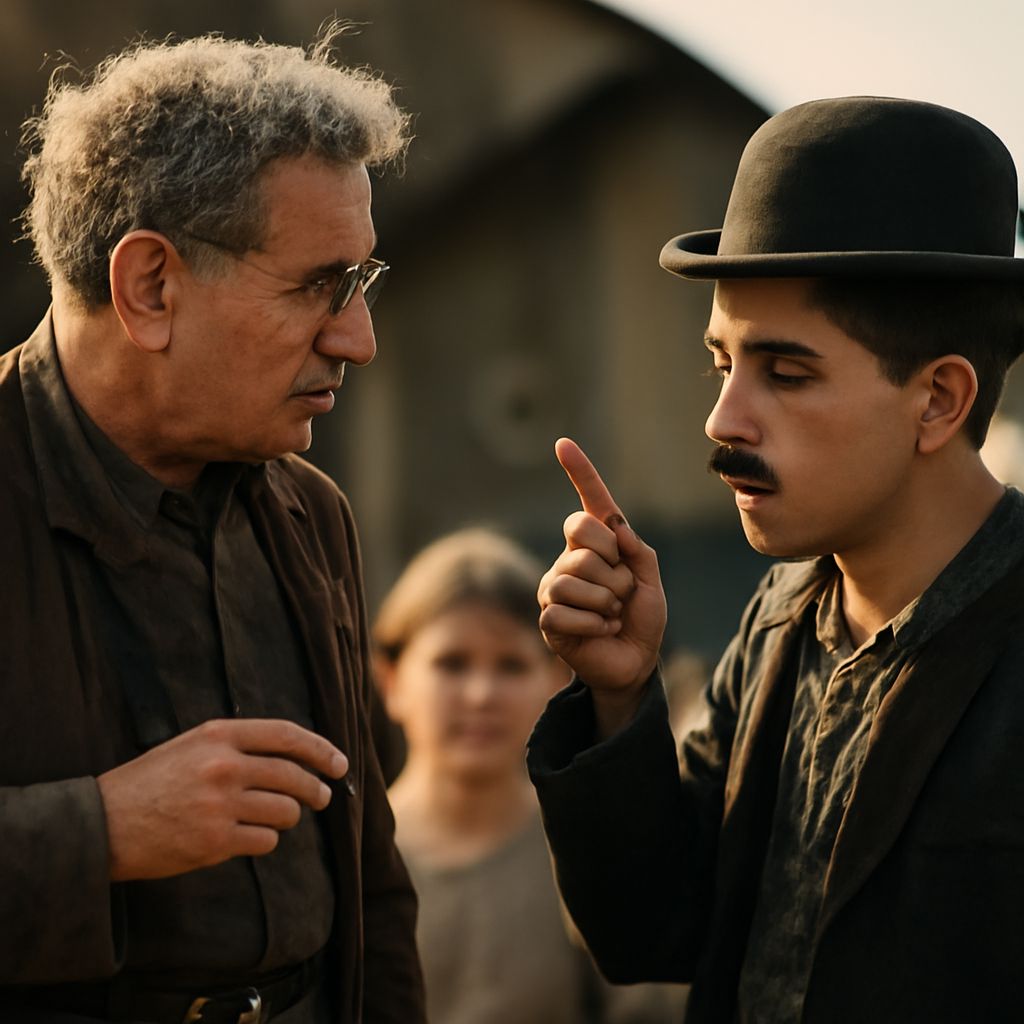
Have you ever wondered how silence can speak volumes in the world of art? “Deaf art” is a profound and unique form of expression that transcends traditional communication barriers. Famous deaf artists have carved a niche for themselves, making significant contributions to illustration and character design. Their work demonstrates that the absence of sound does not equate to the absence of creativity. Instead, the silence in their lives amplifies their artistic voices, allowing them to create visually stunning and emotionally resonant pieces.
In exploring the world of deaf art, you’ll discover how these artists have woven their experiences and perspectives into visual media. From historical roots to modern applications, deaf art continues to shape the illustration landscape, particularly in character design. This journey will take you through the history, significant contributors, and the evolving role of deaf art in today’s creative world.
The History and Significance of Deaf Art
Deaf art has deep historical roots that reflect the cultural and social experiences of the deaf community. It emerged as a form of self-expression and advocacy, highlighting the struggles and triumphs of deaf individuals. Early deaf artists used their work to communicate their experiences, often focusing on themes of identity and community.
The significance of deaf art lies in its ability to connect people through visual language. By transcending auditory limitations, deaf artists create works that resonate on a universal level, fostering understanding and appreciation of diverse perspectives. This form of art not only empowers the deaf community but also enriches the broader cultural tapestry.
Famous Deaf Artists and Their Contributions
Several famous deaf artists have left an indelible mark on the art world. One notable figure is Chuck Baird, a pioneer in the “Deaf View Image Art” movement. His vibrant paintings celebrated deaf culture and incorporated American Sign Language, bridging the gap between visual and linguistic communication.
Another influential artist is Christine Sun Kim, who explores sound through visual art. Her work challenges perceptions of sound and silence, using innovative techniques to convey auditory experiences visually. These famous deaf artists have redefined artistic expression, showcasing the richness of deaf culture through their unique perspectives.
The Role of Deaf Art in Illustration
Deaf art plays a crucial role in the world of illustration, offering fresh insights and perspectives. By integrating elements of their own experiences, deaf artists bring a unique dimension to visual storytelling. Their work often features themes of isolation, communication, and identity, providing a rich tapestry for narrative exploration.
Illustrations by deaf artists often challenge conventional norms, pushing the boundaries of traditional art forms. This approach to illustration enriches the medium, offering new ways to engage audiences and evoke emotional responses. The role of deaf art in illustration is not just about representation; it’s about innovation and transformation.
Character Design Through the Lens of Deaf Artists
Character design is another area where deaf artists excel, using their unique perspectives to create compelling and relatable characters. By drawing on their personal experiences, these artists infuse their characters with depth and authenticity. This approach results in designs that resonate with diverse audiences and foster greater empathy and understanding.
Deaf artists often incorporate elements of sign language and deaf culture into their character designs, adding layers of meaning and context. This not only enhances the visual appeal but also broadens the narrative scope, inviting viewers to engage with stories on a more meaningful level. Through the lens of deaf artists, character design becomes a powerful tool for connection and storytelling.
The Future of Deaf Art in Visual Media
The future of deaf art in visual media is bright, with endless possibilities for innovation and collaboration. As technology evolves, deaf artists have more tools at their disposal to create and share their work with a global audience. Digital platforms and social media offer new opportunities for exposure and engagement, allowing deaf art to reach wider audiences than ever before.
Collaborations between deaf and hearing artists are becoming more common, leading to richer and more diverse creative outputs. These partnerships foster mutual understanding and respect, paving the way for a more inclusive creative industry. The future of deaf art is not just about representation; it’s about redefining how art is created and consumed in a rapidly changing world.
Bottom line: Deaf art is a testament to the power of visual expression, transcending barriers and enriching the creative world. Famous deaf artists continue to shape illustration and character design, showcasing the unique perspectives and profound impact of silent creativity. As the world of visual media evolves, deaf art will undoubtedly play a crucial role in shaping its future, fostering empathy, understanding, and innovation.