Have you ever wondered what it truly looked like inside the Titanic? While everyone knows of the ship’s tragic end, fewer have seen the astonishing visuals that reveal life within its walls. With access to Titanic pictures inside, you gain a rare window onto the past—one that brings the legendary vessel’s architecture, lifestyle, and atmosphere to life in ways words alone never could.
Today’s illustration-rich infographics provide more than historical trivia. They allow you to step virtually aboard, offering an immersive experience of Titanic inside: a blend of luxury, innovation, and everyday activity. From sweeping grand staircases to the humbler spaces below deck, these images decode the ship’s interior design and social world with captivating clarity.
Introduction: Exploring the Titanic Inside
The Titanic inside was far more than a symbol of early twentieth-century engineering; it was a floating city, meticulously crafted to impress and comfort its passengers. When you examine Titanic pictures inside, you’re not just looking at ornate fixtures or grand halls—you’re witnessing the ambitions, hopes, and daily routines of those who sailed on her maiden voyage.
Infographics and detailed illustrations provide a guided tour through time. They showcase the juxtaposition of elegance and function present throughout the ship, from sumptuous first-class suites to practical communal spaces for those on tighter budgets. By studying these visuals, you gain insight into the choices made by designers and the lived experiences of everyone aboard.
The Grand Design of Titanic’s Interior Spaces
The architectural mastery of Titanic inside was apparent from the moment you stepped on board. Passengers were greeted by the iconic Grand Staircase, an emblem of Edwardian opulence. Massive wood paneling, delicate ironwork, and a stunning glass dome defined the entrance, creating an atmosphere reminiscent of the finest luxury hotels of the era. Titanic pictures inside capture these grand spaces, providing a visual sense of scale and artistry that textual descriptions struggle to convey.
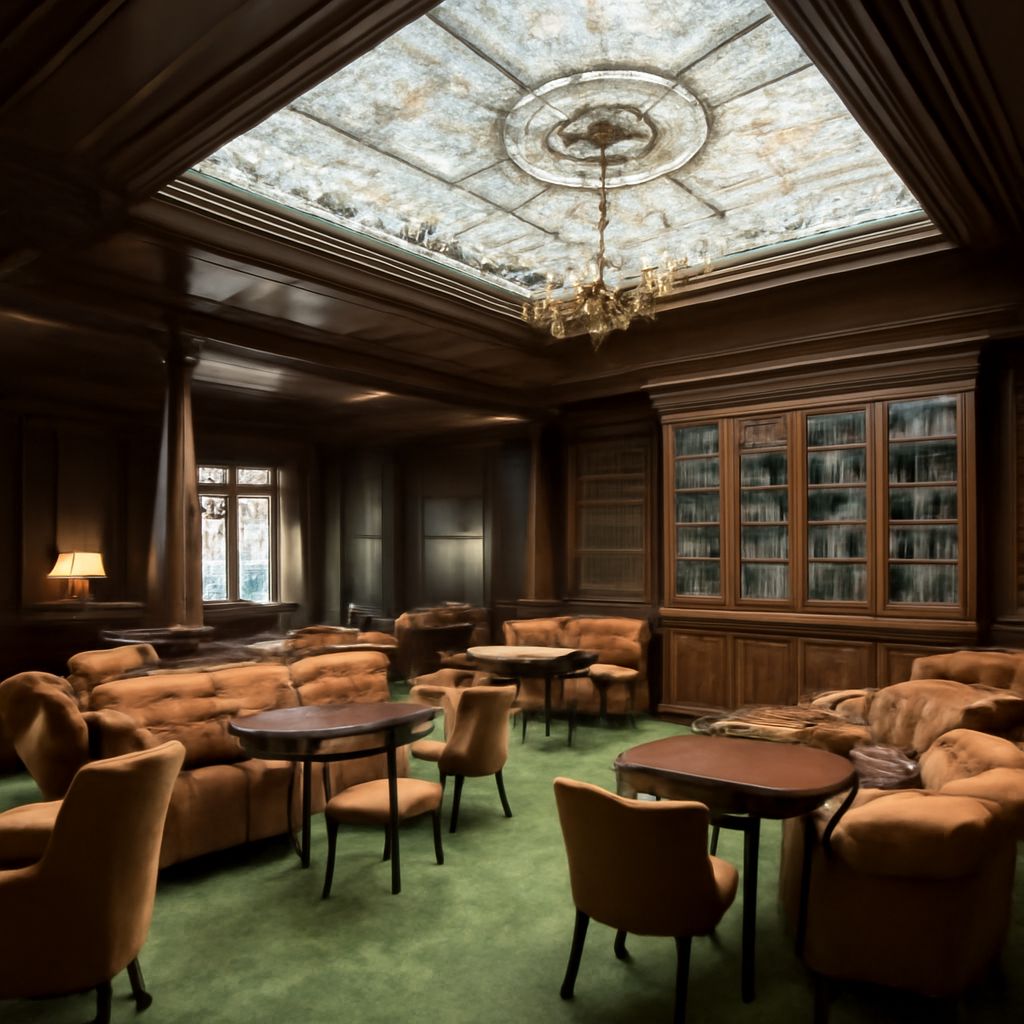
Beyond the staircase, the ship’s layout revealed a careful hierarchy. First-class areas boasted amenities like the lavish dining saloon, elegant lounges, and a richly decorated smoking room. These spaces were designed to attract the world’s elite, and their visual documentation helps you appreciate every carved detail and velvet drape. Second-class passengers enjoyed comfortable but more restrained quarters, while third-class, or steerage, made do with functional dormitories and communal dining, all thoughtfully rendered in contemporary and modern illustrations.
The careful zoning and flow of the Titanic inside reflected both technological advancements and strict social stratification. Illustrations and infographics break down how each deck was organized, highlighting the interplay between luxurious leisure and efficient movement. In some infographic cross-sections, you’ll spot the Turkish bath, the gymnasium, and even the electric lifts—rare innovations for ships at the time.
Through these visual guides, you’re able to reconstruct the experience of moving from ornate public rooms to utilitarian quarters. Each area told a part of the ship’s story; every corridor and compartment reveals another facet of the Titanic’s multifaceted identity.
Infographic Illustrations: Titanic Pictures Inside
Infographic-style Titanic pictures inside have transformed how enthusiasts and newcomers alike engage with the ship’s history. Unlike static, sepia-toned photographs, these modern illustrations and diagrams offer dynamic and accessible overviews of Titanic inside. They combine historical research, survivor accounts, and detailed plans to create rich, layered visuals anyone can explore.
One popular type of infographic is the cutaway diagram, which lays bare the ship’s decks and interiors in a single, easy-to-navigate image. These allow you to trace the route from the grand entrance to the boiler rooms, or to compare the relative sizes of dining halls and cabins. Modern illustrators use color coding, icons, and concise labels to make complex layouts instantly understandable—and to highlight the contrasts between luxury features and practical necessities.
The appeal of Titanic pictures inside extends beyond structural maps. Some infographics use exploded views to show how spaces interlocked, revealing hidden passages, crew quarters, and machinery spaces. Others overlay period furnishings, place settings, and even passenger silhouettes to bring a lived-in authenticity to their representations. These approaches help you visualize not just architecture, but atmosphere: the soft lamplight, the buzz of conversation, and the hum of daily life at sea.
With digital tools, infographic creators can update their work as new research emerges or as rare artifacts are digitized. Animated infographics and interactive models allow you to “walk” through the Titanic inside, opening doors, peering around corners, and uncovering stories along the way. This visual storytelling bridges the gap between past and present, making the ship’s interior more accessible and meaningful than ever.
Daily Life Aboard: From First-Class to Steerage
Every Titanic pictures inside illustration tells a story about how people lived, worked, and socialized aboard the famous liner. The divide between first-class and steerage shaped daily routines, with visual depictions capturing the stark contrasts in accommodation, activities, and amenities. In first-class, you’d find passengers indulging in multi-course meals under glittering chandeliers, reading in luxuriously appointed libraries, or exercising in the ship’s state-of-the-art gym. Infographics highlight these premium features and reveal the spatial generosity afforded to wealthier travelers.
Second-class passengers also enjoyed a comfortable standard of living, with access to their own dining room, a spacious smoking lounge, and pleasant promenade decks. Illustration-based comparisons between classes draw attention to subtle differences: the materials used, the decorative motifs, and even the orientation of the beds. By visualizing these distinctions, you can better appreciate the range of expectations and experiences among those aboard Titanic inside.
In contrast, steerage accommodations offered practicality over ornamentation. Dormitory-style bunks, communal washrooms, and simple long tables for meals characterized these spaces. Yet, Titanic pictures inside show that even in these humble environments, a sense of community and resourcefulness prevailed. Infographics sometimes animate scenes of families gathering for meals, children playing in narrow corridors, or groups listening to music on deck—reminding you that daily life, regardless of class, was vibrant and meaningful.
The visual documentation of crew spaces adds another dimension. From the compact galley kitchens to the engine rooms, illustrations reveal how hundreds of workers kept Titanic inside operational. These rarely seen perspectives help you understand the human effort required to maintain such a vast and complex vessel.
Legacy of Titanic Inside: Inspiring Modern Illustrations
More than a century after its sinking, the Titanic inside continues to inspire artists, historians, and infographic designers. Each new set of Titanic pictures inside builds on decades of research, blending technical accuracy with artistic interpretation. Many creators consult original blueprints, period photographs, and survivor testimonies, ensuring that their infographics and illustrations reflect the ship’s true character as faithfully as possible.
Contemporary artists use a wide range of media—from watercolor sketches to digital 3D graphics—to reimagine the Titanic inside for modern audiences. Some works focus on specific areas, like the Palm Court or the Marconi wireless room, while others attempt to capture the ship’s entire spatial narrative in a single panoramic view. By comparing different visualizations, you can see how perspectives on Titanic inside have evolved over time, shaped by both technological advances and shifting cultural interests.
Infographics today don’t just reconstruct lost spaces; they encourage you to imagine daily life, to empathize with passengers and crew, and to appreciate the craftsmanship and ambition behind every detail. The vividness and accessibility of these visuals have made the Titanic’s legacy more tangible and engaging, drawing new generations into the story. As new discoveries are made, future illustrations will continue to enrich our shared understanding of this maritime icon.
Whether you’re a casual fan or a dedicated researcher, exploring Titanic pictures inside offers a uniquely immersive way to experience the ship. Every infographic and illustration invites you to see the Titanic not as a distant relic, but as a living, breathing world—one that continues to fascinate and inform.
Conclusion: Why Titanic Pictures Inside Still Fascinate
The enduring fascination with Titanic pictures inside stems from their power to connect you with a lost world. Infographics, cross-sections, and illustrations don’t just document spaces—they evoke emotion, spark curiosity, and deepen your appreciation for design, ingenuity, and the human experience aboard the great ship. By exploring the Titanic inside through these visuals, you participate in an ongoing dialogue between past and present, uncovering stories that might otherwise remain hidden.
As technology and historical research progress, the ways you can interact with Titanic pictures inside will only expand. Each new image or interactive model adds fresh perspective to the ship’s story, reflecting our changing relationship with maritime history. Whether you’re drawn to the grandeur, the everyday moments, or the intricate mechanics of the vessel, these illustrations provide a lasting bridge to one of the world’s most legendary interiors—inviting you to step aboard and see for yourself.