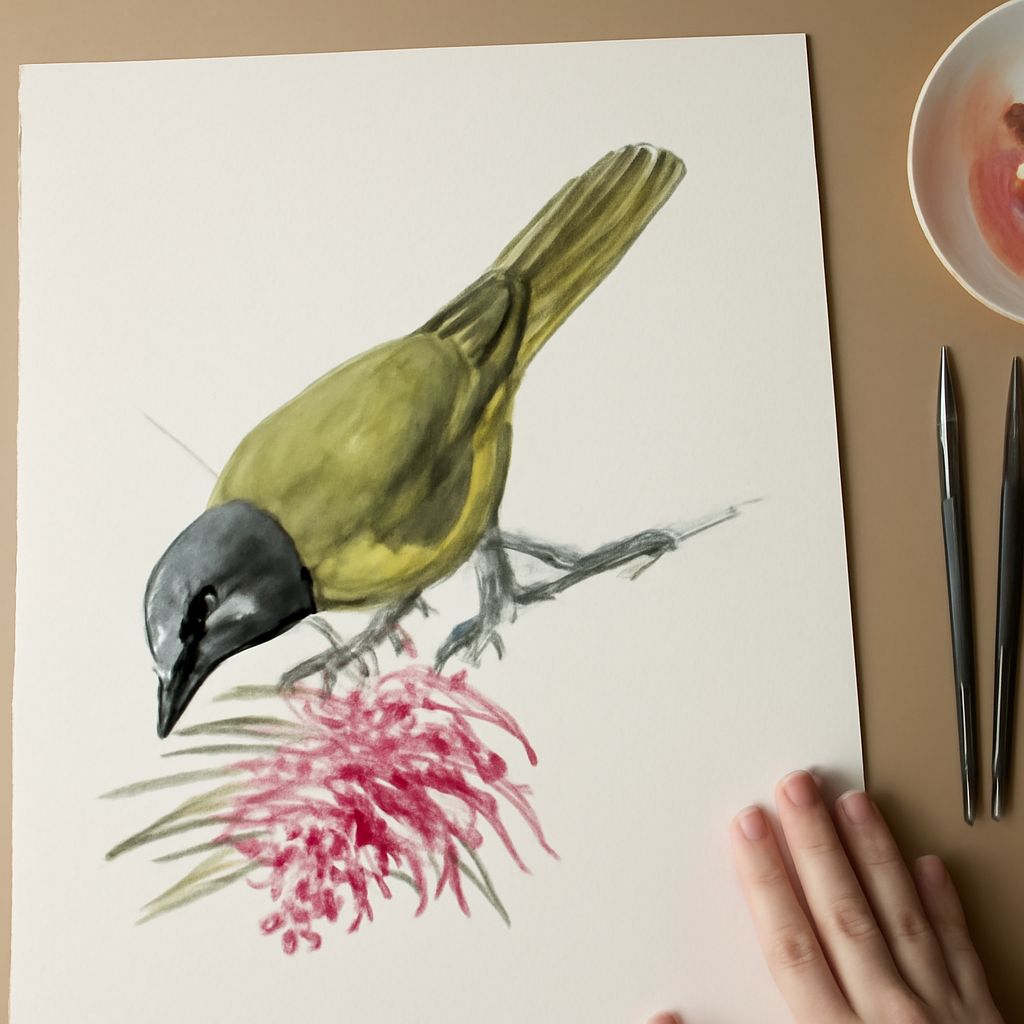
Have you ever wondered how artists create those captivating textures and patterns in their watercolor paintings? The answer might surprise you: salt. Using watercolor with salt is an innovative technique that can transform your artwork by adding unique, organic textures. Whether you’re a seasoned artist or a curious beginner, the fascinating interaction between salt and watercolor can open new dimensions in your art practice.
Delving into the world of watercolor salt effects can be as simple or complex as you make it. From subtle specks of texture to bold bursts of color, this technique allows you to experiment and find your own artistic voice. So, what happens when you sprinkle salt over wet paint, and how can you harness this reaction on cardstock? Let’s explore these questions and more as we dive into the art of using salt with watercolor.
Introduction to Watercolor with Salt
The use of salt in watercolor painting is a technique that has enchanted artists for decades. When salt is sprinkled onto a wet watercolor painting, it absorbs some of the water and color, leaving behind distinctive, crystalline patterns. This interaction is not only visually stunning but also adds an element of unpredictability to the creative process, encouraging spontaneous and experimental art-making.
In addition to its aesthetic appeal, using salt on watercolor teaches you to embrace the unexpected. Each application yields different results depending on the type of salt, the amount of water in the paint, and the paper used. This unpredictability is what makes it a cherished technique among artists looking for ways to innovate and expand their creative horizons.
How Salt Reacts with Watercolor
Salt’s reaction with watercolor is both simple and magical. When salt comes into contact with wet paint, it acts as a desiccant, drawing moisture from the surrounding area. This process is known as osmosis, and it causes the pigment to move and concentrate around each grain of salt.
The effect can vary based on factors such as the type of salt used—coarse, sea, or table salt—and the wetness of the paint. Coarse salt tends to create larger, more pronounced patterns, while finer salts result in subtler textures. Experimenting with different kinds of salt can yield a range of effects, giving you a versatile tool in your watercolor toolkit.
Choosing the Right Materials
Creating watercolor salt effects begins with selecting the right materials. The paper you choose is crucial; thicker, high-quality paper is more absorbent and can handle the additional water and salt without warping. Cardstock is an excellent choice for its durability and texture, offering a sturdy base for experimentation.
Your choice of salt can also influence your results. Coarse salt, like kosher or sea salt, creates more dramatic effects, while table salt offers delicate, snowy textures. Having a variety of salts on hand allows you to explore a range of outcomes. Pairing these materials with quality watercolors will enhance the vibrancy and contrast in your artwork.
Step-by-Step Guide to Using Salt on Watercolor
To begin your exploration of watercolor with salt, prepare your materials: watercolor paper or cardstock, watercolors, a brush, and your choice of salt. Here’s a step-by-step guide:
- Prepare your workspace: Ensure your area is free from clutter and your materials are within reach.
- Wet your paper: Using clean water, dampen the area of the paper where you plan to apply watercolor.
- Apply your paint: Load your brush with watercolor and apply it to the damp paper, allowing the colors to flow naturally.
- Sprinkle salt: While the paint is still wet, sprinkle salt over the painted area. Be mindful of the amount; more salt can create a more textured look.
- Let it dry: Allow your painting to dry completely before removing the salt. This can take several hours depending on humidity and the amount of water used.
- Brush off the salt: Once dry, gently brush off the salt with your fingers or a soft brush to reveal the textured patterns underneath.
Experimenting with different amounts of water, paint, and salt will help you discover a range of effects, from subtle to striking.
Watercolor Techniques with Salt on Cardstock
Using watercolor salt effects on cardstock opens up a world of creative possibilities. The sturdy nature of cardstock supports heavier applications of water and paint, allowing for bolder, more pronounced textures.
One approach is to create layered effects by applying multiple wash and salt applications. Start with a light wash, apply salt, let it dry, and then repeat with additional layers. This technique enriches the depth and complexity of your artwork, inviting viewers to explore its intricate details.
Creative Ideas and Tips
To maximize the potential of watercolor with salt, consider these creative ideas and tips:
- Combine techniques: Mix salt application with other watercolor techniques, like wet-on-wet or dry brush, to create dynamic compositions.
- Experiment with color: Use contrasting colors to highlight the salt’s textural effects, enhancing the visual interest of your painting.
- Vary salt types: Try different salts in the same artwork for a diverse range of textures and patterns.
- Mind the timing: The timing of salt application is crucial; too early, and the salt may dissolve, too late, and it won’t affect the paint.
Incorporating these tips into your practice will help you develop a unique style and encourage exploration in your artistic journey. By understanding how salt interacts with watercolor, you can unlock a world of creative potential, transforming simple washes into entrancing visual experiences. Embrace the unpredictability and let your imagination guide you through this luminous artistic process.