Have you ever wondered how artists create those stunning, flowing letters that seem to dance across the page? If so, you’re not alone. The art of brush calligraphy is captivating, blending traditional elegance with modern flair. With the right watercolor brush set and a touch of creativity, you can master techniques like dry brush watercolor to bring any typography style to life. Whether it’s the edgy appeal of a street brush font or the classic beauty of Irish calligraphy, understanding the tools and techniques is essential. Ready to explore this artistic journey?
Understanding Brush Calligraphy
What is Brush Calligraphy?
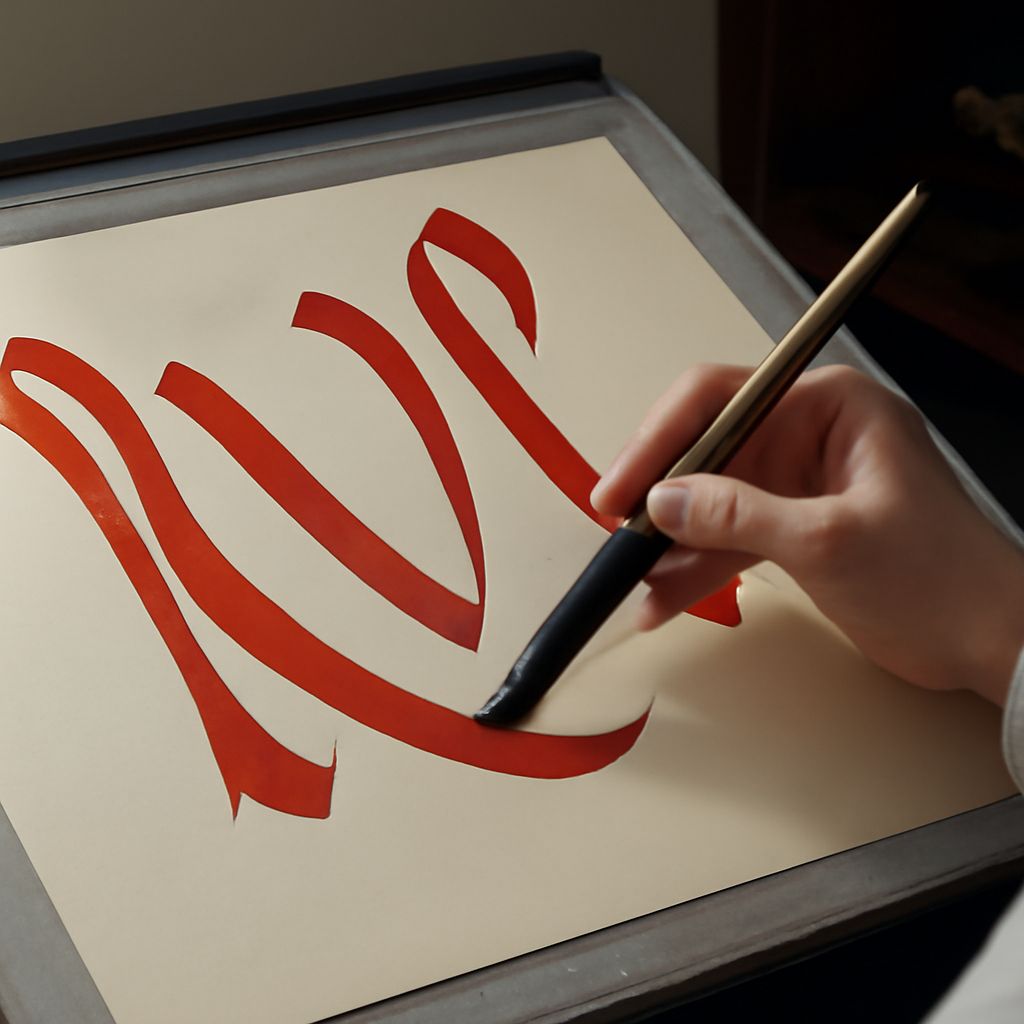
Brush calligraphy is a style of writing that uses a brush to create letters with varying line widths. Unlike traditional calligraphy, which often relies on nib pens, brush calligraphy allows for more fluid and expressive strokes.
History and Evolution
Brush calligraphy has roots in ancient cultures, evolving over centuries from East Asian scripts to modern Western styles. Its adaptability has made it a favorite among artists worldwide, continuously reinventing with contemporary trends.
Brush Calligraphy vs. Other Styles
Unlike pointed pen calligraphy, brush calligraphy offers greater flexibility with its tools, enabling the artist to produce thicker and thinner lines with ease. It also allows for a broader range of artistic expression by merging styles and techniques.
Essential Tools for Brush Calligraphy
Choosing the Right Watercolor Brush Set
A well-selected watercolor brush set is crucial for brush calligraphy. Choose brushes with soft bristles for smooth strokes and varied sizes for different line widths. Natural hair brushes often provide the best results.
Exploring Dry Brush Watercolor Techniques
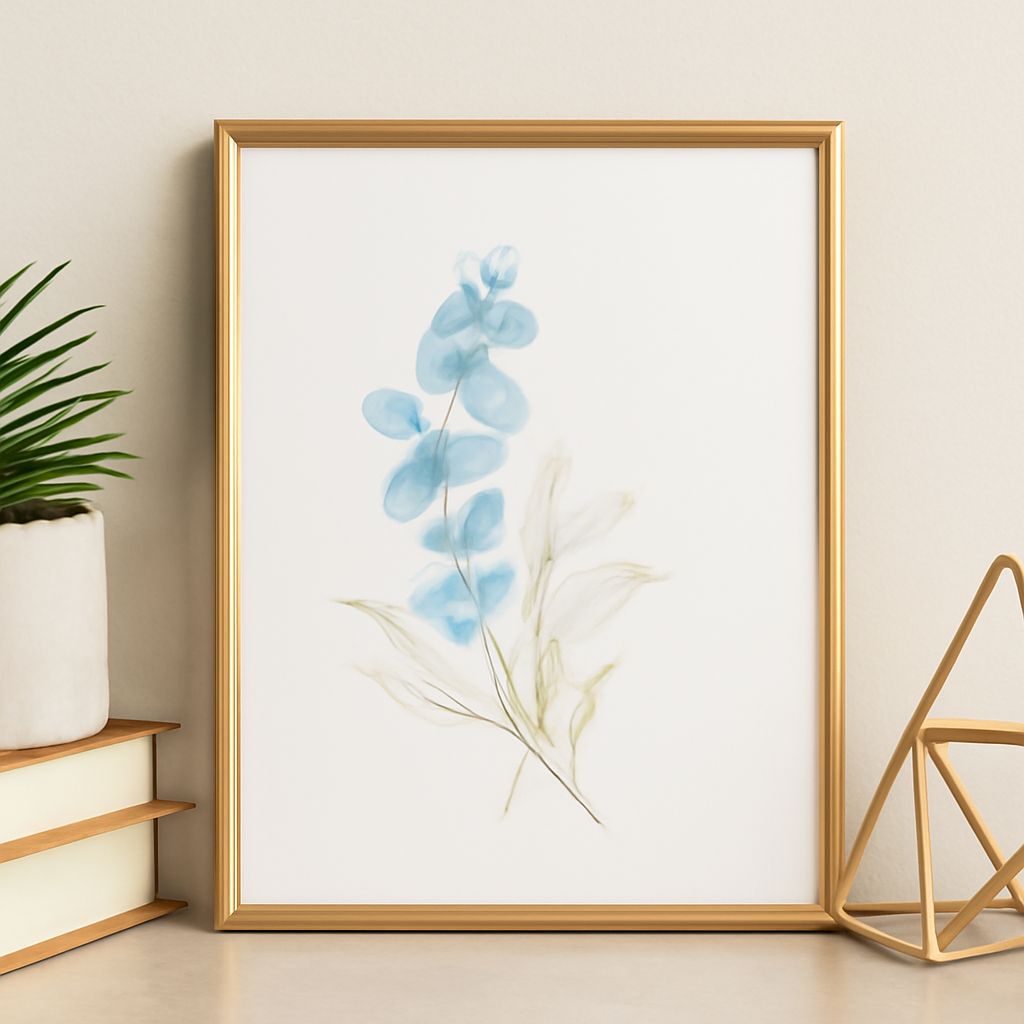
With dry brush watercolor techniques, you can add texture and depth to your calligraphy. By using less water, the brush creates a textured effect, adding a unique touch to your lettering projects.
Must-Have Supplies for Beginners
Beginners should have a selection of brushes, high-quality paper, a palette of watercolors, and a clean water source. These basics will help you start experimenting with different calligraphy styles.
Exploring Popular Calligraphy Fonts
Street Brush Font: An Urban Twist
The street brush font brings an urban edge to your calligraphy work, characterized by its bold and dynamic strokes. Its raw energy is perfect for contemporary designs and creative projects.
The Elegance of Irish Calligraphy
Irish calligraphy boasts a timeless elegance, with its intricate Celtic knots and ornate letters. It combines traditional craftsmanship with modern design, making it a versatile choice for various projects.
Tips for Perfecting Your Calligraphy
Practicing with Different Brushes
Experimenting with various brushes can enhance your skills. Try switching between natural and synthetic bristles to understand how each impacts your lettering style and technique.
Combining Techniques for Unique Styles
By integrating different methods, such as combining dry brush techniques with watercolor washes, you can develop a distinctive personal style. This experimentation is key to mastering brush calligraphy.
Troubleshooting Common Mistakes
Common issues like inconsistent line width or ink blotting can be addressed with practice and patience. Ensure your brush is properly loaded with paint and keep a steady hand to improve your precision.
Conclusion
Embracing Creativity in Typography
Brush calligraphy is as much about fostering creativity as honing skill. By experimenting with different tools and styles, you can push the boundaries of traditional typography and make art that speaks uniquely to you.
Where to Find More Resources
For those eager to delve deeper into brush calligraphy, numerous online courses, workshops, and community groups offer valuable tutorials and inspiration. Embrace this artistic journey and watch your creativity flourish.