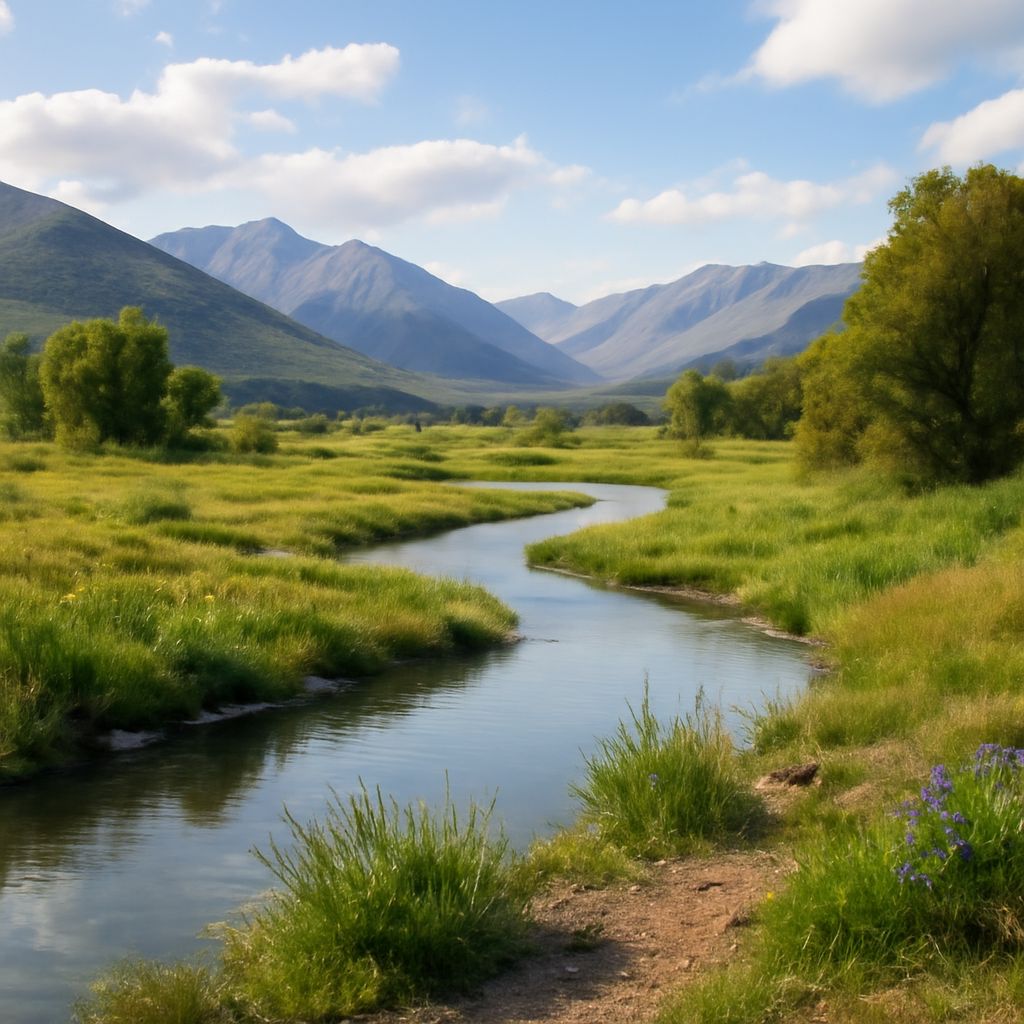
Have you ever wondered how to capture the serene beauty of nature on paper? Watercolor landscape painting offers a unique way to express the tranquil essence of scenic views. With easy watercolor landscape techniques, you can bring your artistic visions to life, transforming blank canvases into captivating watercolor painting landscapes.
Whether you’re a seasoned artist or a curious beginner, landscape watercolor painting can be a rewarding hobby. By understanding the basics, choosing the right tools, and honing your skills with essential tips, you’ll enhance your landscape watercolor paintings and discover the joy of this delicate art form.
Introduction to Landscape Watercolor Painting
Understanding the Basics of Watercolor Landscapes
Getting started with landscape watercolor painting involves familiarizing yourself with the fundamental techniques and concepts. Watercolor landscapes rely heavily on the fluidity and transparency of the medium. This allows light to pass through and reflect off the paper, creating a luminous effect that is both captivating and versatile.
Why Choose Watercolor for Landscapes?
Watercolor is an ideal choice for landscape paintings due to its ability to capture subtle gradients and atmospheric effects. Unlike other mediums, watercolors offer a natural transparency that can mimic the ethereal quality of light found in various landscapes. Its unpredictability can add unique textures and depth to your easy watercolor landscape projects.
Essential Tools for Creating Watercolor Landscapes
Choosing the Right Brushes
Brush selection is crucial in achieving the desired effects in your watercolor landscapes. Round brushes are versatile and perfect for both detailed work and broad strokes. Flat brushes can help you create sharp edges and bold lines. Investing in quality brushes ensures longevity and better control over your watercolor painting landscape endeavors.
Selecting Quality Watercolor Papers
The choice of paper can dramatically affect the outcome of your landscape watercolor paintings. Cold-pressed papers offer a textured surface that can enhance the appearance of hills and foliage. Hot-pressed papers provide a smoother surface, ideal for fine details and intricate work.
Importance of Pigments in Landscape Watercolor Paintings
Pigments are the lifeblood of any watercolor painting. High-quality pigments offer vibrant colors and consistency, essential for capturing the essence of your subject. Choosing the right pigments can help depict the mood and time of day in your landscapes.
Techniques for Easy Watercolor Landscape Projects
Wet-on-Wet Technique
The wet-on-wet technique involves applying wet paint onto a wet surface. This method is perfect for creating smooth gradients and atmospheric skies in your watercolor landscapes. Practice controlling the moisture in your brush to achieve desired effects.
Layering for Depth
Layering is a technique that involves applying multiple washes to build depth and complexity. Allow each layer to dry completely before adding the next. This technique is instrumental in adding rich textures and vibrant colors to your watercolor landscape paintings.
Creating Textures in Watercolor
Textures can bring your landscapes to life. Experiment with different tools, such as sponges or salt, to create unique effects. Mastering texture creation can elevate your easy watercolor landscape projects from simple to spectacular.
Step-by-Step Guide to Painting a Watercolor Landscape
Sketching Your Landscape
Start with a light sketch to outline the primary elements of your composition. This step helps in defining the structure and flow of your watercolor painting landscape.
Applying Initial Washes
Lay down your foundational colors with broad, sweeping washes. This sets the tone and mood of your landscape watercolor paintings.
Adding Details and Highlights
Add final touches with finer brushes to incorporate intricate details and highlights. This step can transform your project from ordinary to extraordinary.
Common Mistakes in Landscape Watercolor Painting and How to Avoid Them
Overworking the Paper
Avoid excessive brushing and manipulation which can damage the paper and muddy your colors. Understanding when to stop is key to maintaining the vibrancy of your easy watercolor landscape.
Ignoring Composition Rules
Balanced composition is essential for captivating watercolor landscapes. Pay attention to the rule of thirds and ensure focal points are engaging.
Color Mismatches
Mismatch of colors can disrupt the harmony in your watercolor landscapes. Familiarize yourself with color theory to aid in creating cohesive and pleasing landscape watercolor paintings.
Inspiration and Ideas for Landscape Watercolor Paintings
Famous Watercolor Landscapes
Study the works of renowned artists to glean inspiration and techniques. Famous watercolor landscapes can offer insights into color selection, composition, and technique.
Finding Your Unique Style
Explore different themes and styles to develop your unique artistic voice. Experimentation is crucial in finding what resonates with you in your watercolor painting landscape journey.