What draws you into the mesmerizing world of psychedelic design? Is it the swirl of vivid colors or the depths of intricate psychedelic imagery that captivate your senses? In the dynamic realm of digital illustration, psychedelic art stands out as a style that blends the boundary-pushing creativity of the 1960s with the limitless possibilities of modern technology. This fusion not only challenges our visual perceptions but also offers a unique journey through imaginative landscapes.
The Origins and Evolution of Psychedelic Art
Psychedelic art traces its roots back to the counterculture movements of the 1960s. During this era, artists sought to break away from conventional norms, experimenting with new forms of expression that mirrored the societal shifts and consciousness-expanding experiences of the time. The art was heavily influenced by the vibrant aesthetics found in Eastern art, tribal motifs, and the explosion of color and form experienced during psychedelic trips.
As the decades progressed, psychedelic art evolved, incorporating influences from optical art and surrealism. The advent of digital technology has further transformed this style, allowing artists to experiment with new techniques and tools that were previously unimaginable. Now, with software like Adobe Illustrator and CorelDRAW, artists can push the boundaries of psychedelic design, creating intricate patterns and vivid imagery with precision and ease.
Key Elements of Psychedelic Design
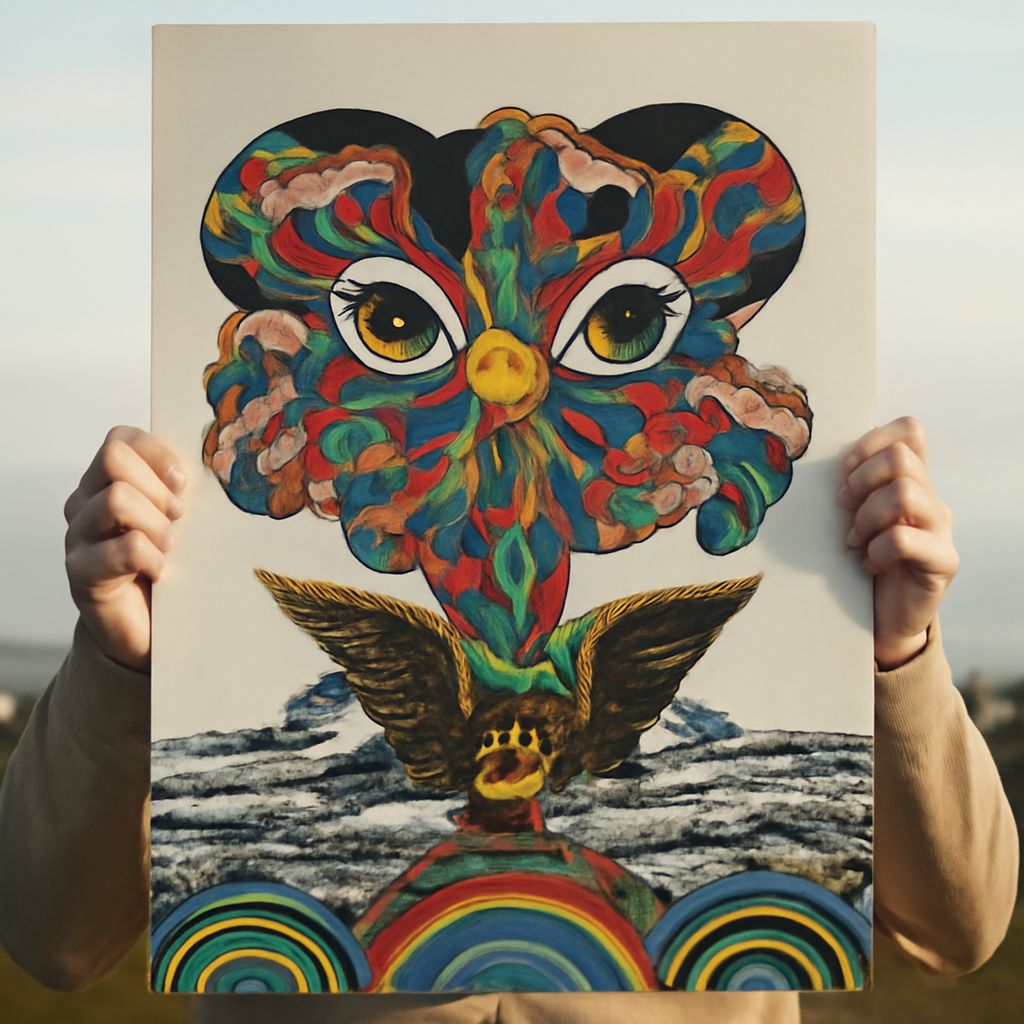
Psychedelic design is characterized by its use of vivid colors and intricate patterns. These elements are employed to create a sense of movement and depth, inviting the viewer to engage with the artwork on a deeper level. Swirling forms, kaleidoscopic imagery, and organic shapes are also common features, each contributing to the overall sense of otherworldliness.
Another key component of psychedelic imagery is its ability to evoke altered states of consciousness. This is often achieved through the use of optical illusions and complex compositions that challenge the viewer’s perception of reality. By playing with symmetry and asymmetry, artists can craft scenes that are both familiar and fantastical, creating a unique visual experience that is instantly recognizable as psychedelic art.
The Role of Psychedelic Imagery in Modern Illustration
In today’s digital illustration landscape, psychedelic imagery continues to play a significant role. Its vibrant aesthetic and potential for storytelling make it an appealing choice for designers and illustrators looking to captivate their audience. Whether used in advertising, album covers, or interactive media, the vivid colors and complex patterns of psychedelic design are versatile tools for conveying emotion and narrative.
The resurgence of interest in mindfulness and mental health has also brought psychedelic art back into the spotlight. Many contemporary illustrators are inspired by the genre’s roots in self-exploration and consciousness expansion. By incorporating psychedelic elements into their work, they can explore themes of introspection, connection, and transcendence in a visually compelling way.
Techniques for Creating Psychedelic Art Digitally
Creating psychedelic art digitally involves a combination of traditional artistic principles and modern technology. Start by experimenting with color palettes that feature vivid hues and contrasting tones. Digital tools offer the flexibility to easily adjust colors and gradients, allowing you to create dynamic and eye-catching designs.
Next, focus on building intricate patterns and textures. This can be achieved by layering shapes, using brushes, and manipulating effects to add depth and complexity. Software tools provide features like symmetry drawing and vector manipulation to help craft the detailed psychedelic imagery that defines this style. Don’t be afraid to embrace asymmetry and unexpected compositions to keep your work fresh and engaging.
Notable Artists and Their Contributions
The world of psychedelic art has been shaped by numerous talented artists whose contributions continue to inspire new generations. Visionaries such as Peter Max and Victor Moscoso brought the genre to prominence in the 1960s with their vibrant posters and album covers. Their work captured the spirit of the era and set the foundation for future artists.
In recent years, digital illustrators like Android Jones and Alex Grey have pushed the boundaries of psychedelic design, exploring themes of spirituality and consciousness through intricate digital artwork. Their use of technology to create immersive and interactive experiences highlights the potential of digital tools in evolving traditional art forms.
The Future of Psychedelic Art in Digital Illustration
The future of psychedelic art in digital illustration looks promising as technology continues to advance. Virtual reality and augmented reality provide new platforms for artists to explore psychedelic imagery, offering viewers immersive experiences that go beyond traditional media. These technologies allow artists to create environments that respond to viewer interaction, adding an experiential element to the visual journey.
As society becomes more open to exploring consciousness and alternative states of mind, psychedelic design is poised to remain relevant and influential. Its potential to inspire introspection and foster a deeper connection with the art makes it a powerful tool for storytelling and self-expression. Whether through digital media, interactive installations, or virtual experiences, the vibrant world of psychedelic art continues to captivate and inspire.