Have you ever wondered what lies beneath the vast oceans that cover most of our planet? Among the intriguing marine life, sponge animals stand out with their unique way of life and fascinating characteristics. Known for their evolutionary simplicity yet ecological significance, these creatures offer a glimpse into the diversity of life forms on Earth. In this guide, you’ll uncover the world of sponge animals, delve into their diverse types, explore their anatomy, and learn how these sponges eat.
Introduction to Sponge Animals
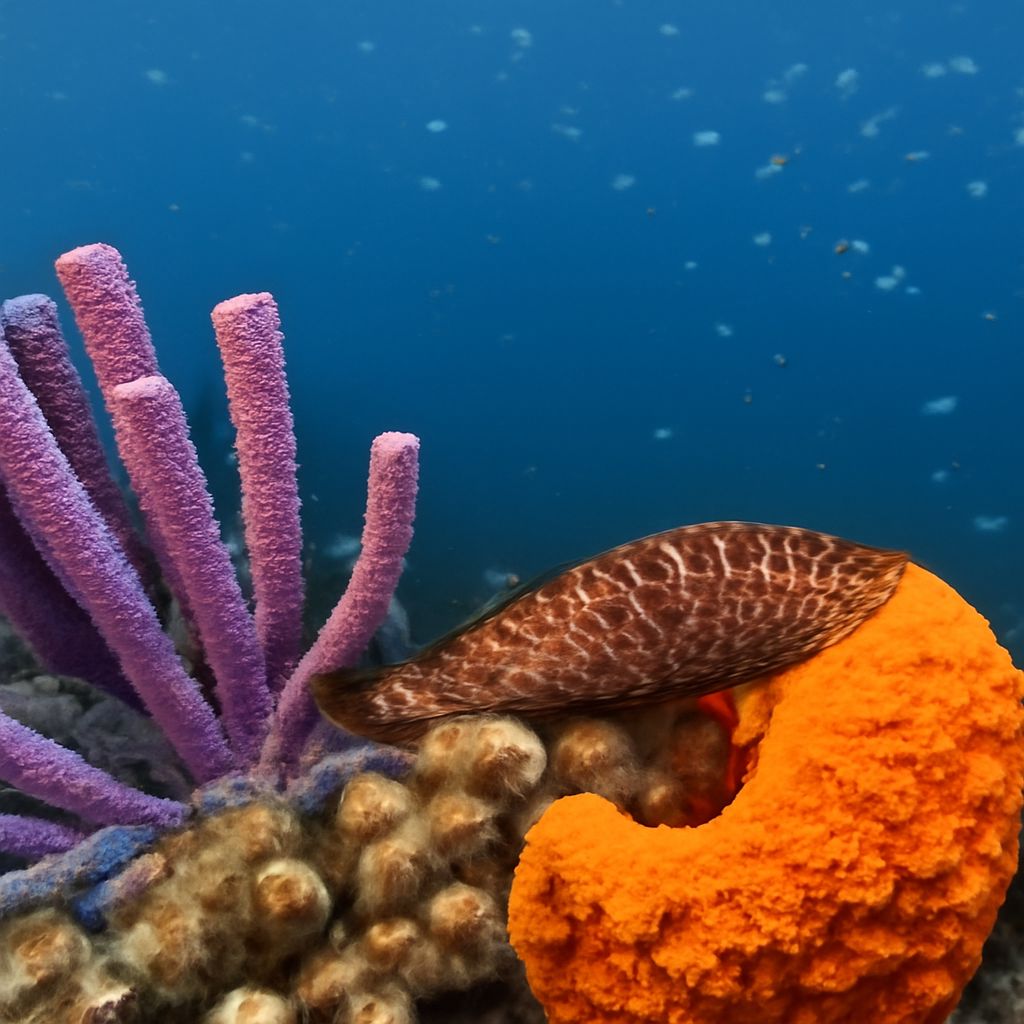
Sponge animals, or poriferans, are one of the oldest groups of animals, having existed for millions of years. Despite their simple appearance, sponges play a significant role in marine ecosystems. These stationary creatures are primarily known for their porous bodies, which allow them to filter water and extract nutrients. You might find it surprising that although they lack complex organs, sponges can perform essential functions that contribute to ocean health.
Types of Sponges
Sponges come in a variety of shapes, sizes, and colors. They are generally categorized into three main classes: Demospongiae, Calcarea, and Hexactinellida. Demospongiae make up the majority of sponge species and are known for their resilient skeletons made of spongin fibers or silica. Calcarea sponges have calcium carbonate spicules, providing a different structural form. Hexactinellida, also known as glass sponges, are often found in deep-sea environments and possess a unique lattice-like skeleton.
Understanding the different types of sponges helps you appreciate their adaptability to various environments. Whether inhabiting shallow coral reefs or deeper oceanic zones, each sponge type has evolved distinct features to thrive in its ecological niche.
Anatomy of Sponges
The anatomy of sponges is a marvel of nature’s engineering. Unlike most animals, sponges lack true tissues and organs. Instead, their bodies are made up of specialized cells that perform various functions. The outer layer, known as the pinacoderm, consists of flat cells that offer protection. Beneath, the mesohyl acts as a gelatinous matrix where other cell types are embedded, including choanocytes responsible for water filtration and nutrient capture.
Cell Structure
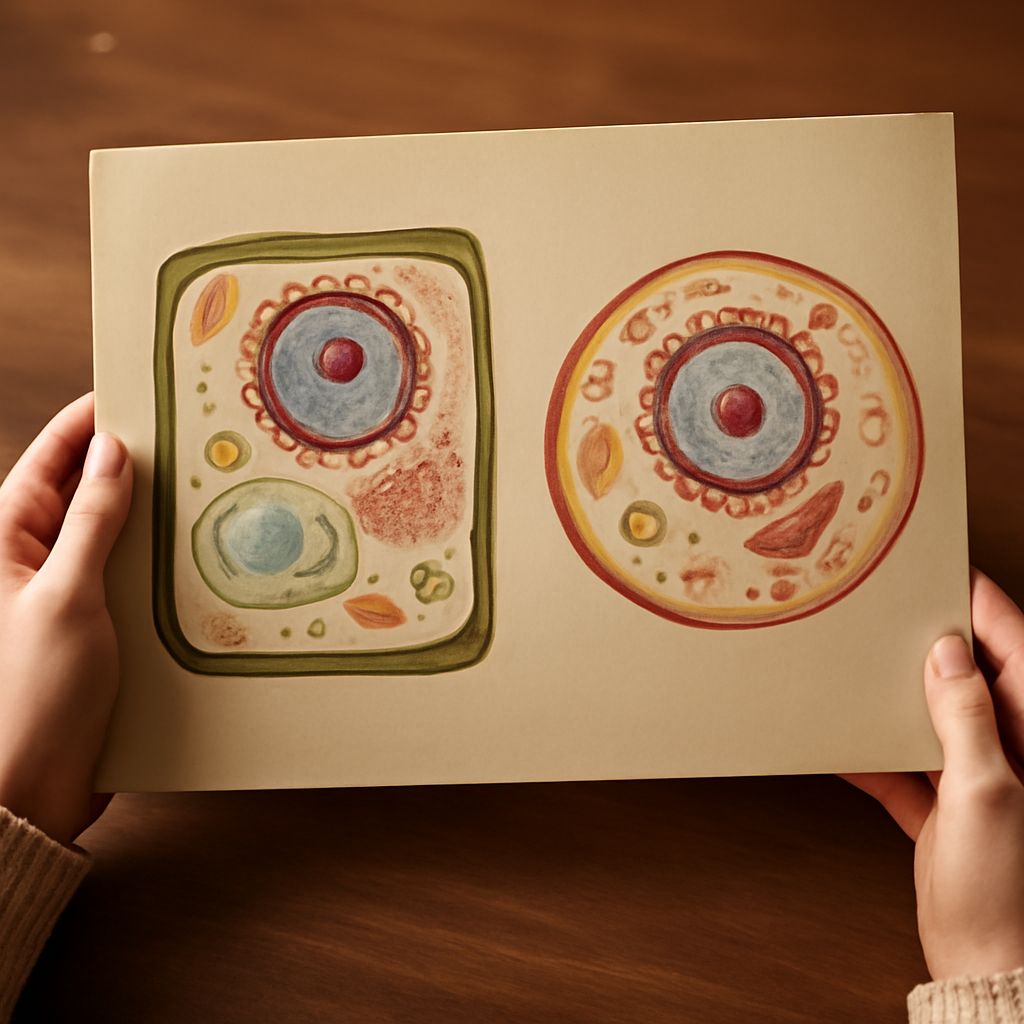
At the cellular level, sponges display an intriguing structure. Choanocytes, often referred to as collar cells, line the inner chambers and create water currents with their flagella. These currents facilitate the sponge’s filter-feeding process. Amoebocytes, another cell type, play a role in distributing nutrients and forming spicules that provide structural support. Understanding cell structure is crucial to comprehending how sponges maintain their simple yet effective lifestyle.
How Do Sponges Eat?
Sponges have developed a unique mechanism to sustain themselves in nutrient-poor environments. But, how do sponges eat? Their feeding strategy involves filtering vast amounts of water to extract microscopic particles. As water flows through the sponge’s pores, choanocytes trap and engulf tiny food particles, such as bacteria and plankton.
This filter-feeding system is not only efficient but also highlights the sponge’s ecological role. By consuming large quantities of water and removing particles, sponges contribute to water clarity and nutrient cycling in marine ecosystems.
Ecological Importance of Sponges
Sponges are vital components of the oceanic ecosystems. By filtering water, they help maintain marine water quality, which supports diverse aquatic life. Sponges also provide habitats for various marine organisms, including fish and invertebrates, creating a complex and supportive environment.
Moreover, sponges contribute to bioerosion, a process that helps shape coral reefs and coastal landscapes. Their ability to bore into substrates aids in the breakdown of calcium carbonate structures, facilitating the recycling of materials within the ocean. Appreciating the ecological importance of sponges encourages a deeper understanding of marine biodiversity and the intricate balance of ocean ecosystems.
Conclusion
Diving into the world of sponge animals reveals a remarkable blend of simplicity and complexity. These ancient creatures offer valuable insights into the adaptability and resilience of life in the ocean. From their diverse types and unique anatomy to their vital ecological roles, sponges demonstrate the interconnectedness of marine life. As you continue to explore the wonders of the ocean, consider the humble sponge as a testament to nature’s ingenuity and the intricate web that sustains our planet’s marine ecosystems.