Drawings Pencil: Easy Pencil Sketches and Lessons for Every Level
Why do so many artists keep coming back to the pencil, even in an era of powerful digital tools? Drawings pencil work offers a directness and intimacy that no other medium quite replicates — the soft drag of graphite across paper, the ability to erase and refine, and the portability of a sketchbook tucked under your arm. Whether you’re brand new to art or looking to sharpen existing skills, exploring easy pencil sketches is one of the most rewarding places to begin.
This guide covers the essentials: the right supplies, how to approach pencil drawing for beginners, and how to structure your practice using pencil drawings step by step methods. You’ll also find actionable pencil drawing lessons that you can apply immediately, regardless of your current skill level.
Essential Supplies for Pencil Drawing
Choosing Your Pencils
Not all pencils are created equal. The graphite grading scale runs from 9H (very hard, light marks) through HB (the middle ground) to 9B (very soft, dark marks). For most drawings pencil work, a set that includes 2H, HB, 2B, 4B, and 6B covers the full range of values from delicate highlights to rich shadows. Harder grades hold a fine point longer and suit precise line work; softer grades blend beautifully and create velvety dark tones.
Paper Selection
Paper texture (tooth) affects how graphite adheres. Smooth bristol board suits detailed technical work and easy pencil sketches where clean lines matter most. Medium-tooth drawing paper is versatile and forgiving — ideal for pencil drawings step by step exercises. Rough-textured papers create interesting grain effects but can be harder to control for beginners. Always use acid-free paper if you want your work to last without yellowing.
Supporting Tools
A kneaded eraser is your best ally for pencil drawing — you can shape it into a fine point to lift highlights or pat it over large areas to soften tones without damaging the paper surface. A tortillon (blending stump) smooths graphite transitions and creates gradients, while a ruler and compass assist with geometric precision when needed.
Pencil Drawing for Beginners: Core Concepts
Understanding Value
Value — the range from light to dark — is the single most important concept in pencil drawing for beginners. Before worrying about line quality or detail, train yourself to see and render a full value range. Practice a nine-step value scale from white (no graphite) to the darkest mark your softest pencil can produce. This exercise builds the muscle memory needed to control tone across every future drawing.
Basic Mark-Making
Hatching (parallel lines), cross-hatching (intersecting sets of lines), and circular scumbling are the three fundamental mark-making techniques you’ll use throughout your pencil career. Each creates a distinct texture and tonal quality. Vary the spacing, pressure, and direction of your marks to discover how they interact with one another on the paper surface.
Pencil Drawings Step by Step: A Practical Framework
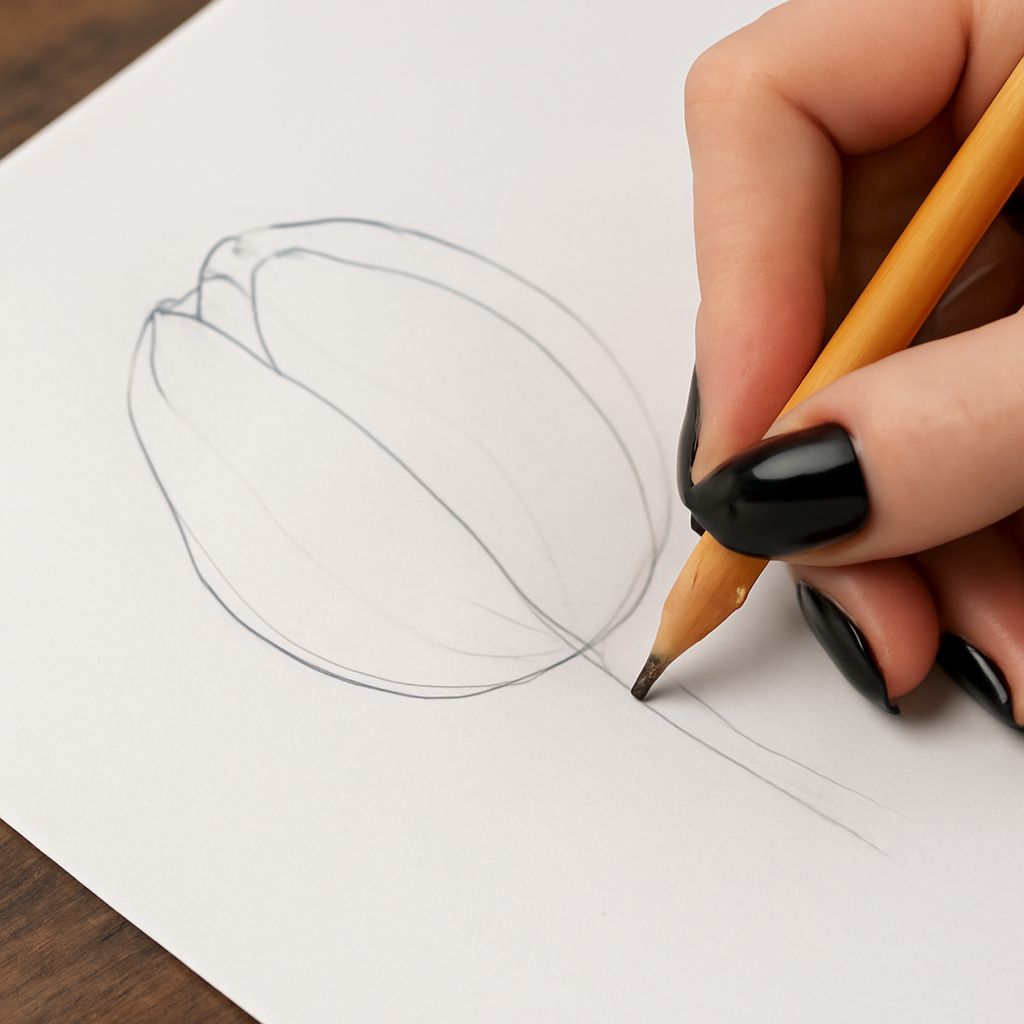
The most effective pencil drawings step by step approach follows a consistent sequence: rough block-in, value mapping, detailed rendering, and final refinement. Start every drawing with a light gestural sketch that establishes the overall composition and proportions. Use your 2H pencil and keep marks loose — you’re mapping territory, not committing to final lines.
Next, establish your darkest darks and lightest lights to anchor the value range. Then build the middle tones systematically, working from dark to light (or light to dark, depending on your preference). Save final details — whiskers, fabric texture, architectural ornamentation — for last. This structured approach prevents the common beginner mistake of overworking one area before the whole composition is established.
Structured Pencil Drawing Lessons for Progress
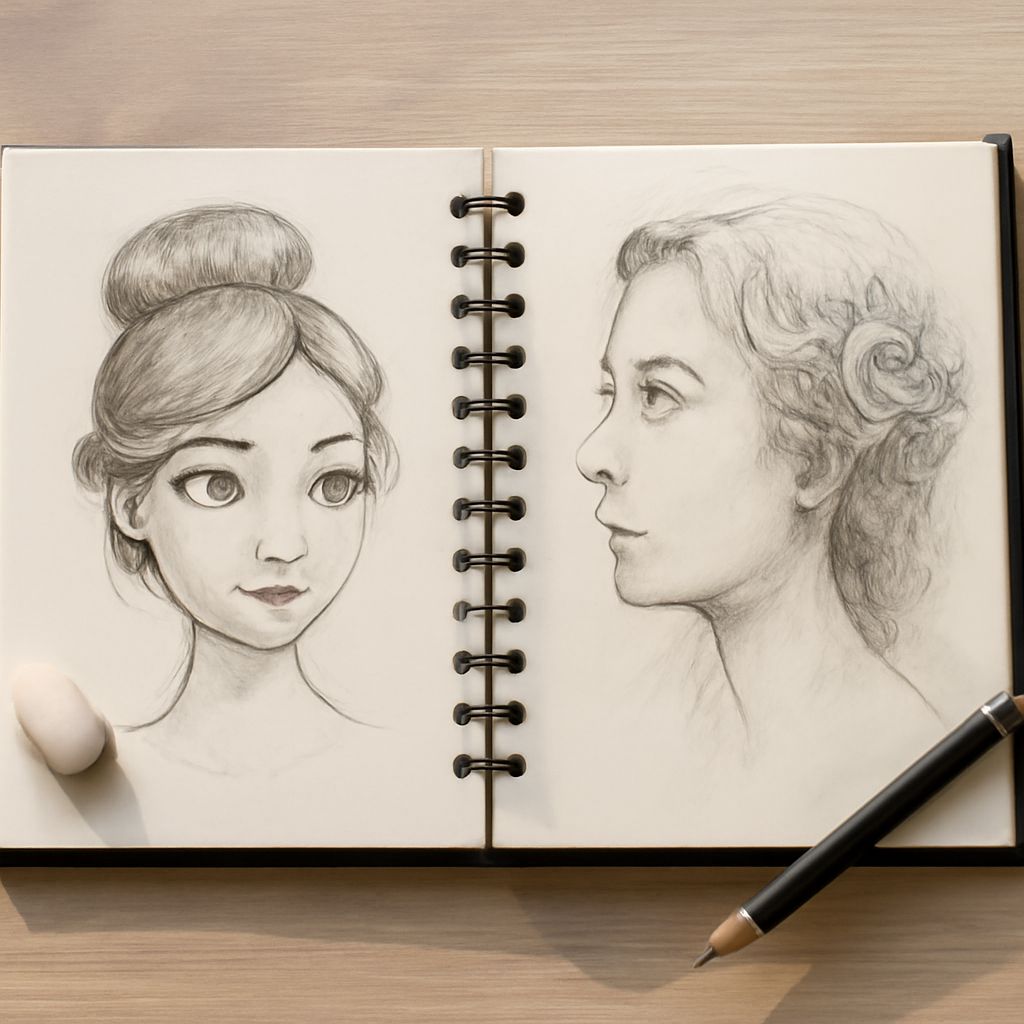
Consistent, focused pencil drawing lessons accelerate improvement faster than open-ended practice. Dedicate specific sessions to individual skills: one lesson on hands, one on fabric folds, one on trees and organic forms. Keep a sketchbook journal of your exercises so you can track progress and identify patterns in your weaknesses.
Online platforms like Proko, Ctrl+Paint, and various YouTube channels offer structured pencil drawing lessons taught by working professionals. Supplement video learning with books like “Drawing on the Right Side of the Brain” and “Keys to Drawing” — both remain foundational texts in pencil education. The combination of video demonstrations and written instruction gives you multiple angles on each concept.
Pro tips recap: Keep a consistent practice schedule — even twenty minutes daily beats a three-hour weekend session for building skill. Always warm up with quick gesture sketches before tackling detailed work. Invest in quality paper; it makes a bigger difference than expensive pencils.