Color Pencil Drawing: Techniques for Realistic and Vibrant Results
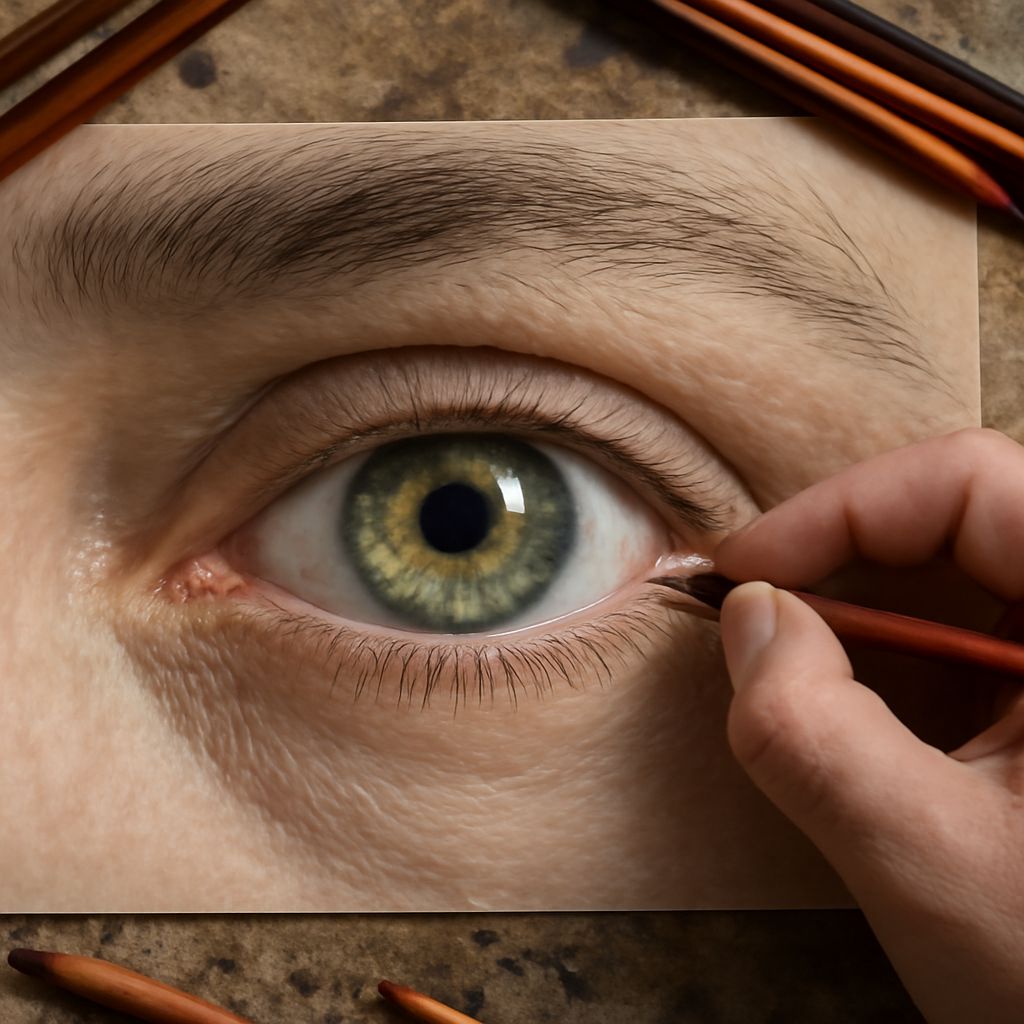
What separates a flat, chalky color pencil drawing from the kind of luminous, detailed work that stops people in their tracks? The answer is almost always technique rather than talent. Most beginner colored pencil work lacks depth because of two consistent mistakes: pressing too hard too early and not layering enough. Learning how to build up realistic colored pencil drawings through careful layering — light pressure first, building gradually to full saturation — transforms what the medium can do for you. Whether your goal is detailed colored pencil sketches for quick studies, polished butterfly drawings with color for portfolio pieces, or understanding how a pencil photoshop brush can simulate colored pencil in digital work, the underlying principles are remarkably consistent.
This guide walks you through materials, techniques, and specific approaches that produce the kind of results you see in impressive color pencil drawing work — with practical steps you can apply in your next session.
Choosing Materials for Color Pencil Drawing
Pencil Types and Their Trade-Offs
Colored pencils split into three main categories: wax-based, oil-based, and water-soluble. Wax-based pencils (Prismacolor Premier, Faber-Castell Polychromos for a stiffer feel) blend smoothly and saturate paper quickly. They’re the most common choice for realistic colored pencil drawings because their soft cores produce rich color with moderate pressure. The trade-off is wax bloom — a white haze that can appear over heavily layered wax-based work after a few days. A workable fixative spray between layers prevents this.
Oil-based pencils stay sharper longer and resist bloom entirely, making them better suited for fine detail work in colored pencil sketches. They blend less easily than wax types but layer more cleanly. Many professional illustrators combine both types in a single color pencil drawing — wax-based for broad color foundation, oil-based for final detail and edge definition.
Paper Selection
Paper choice affects colored pencil results dramatically. Standard printer paper is too smooth — it fills with color quickly and can’t accept multiple layers. Smooth Bristol holds more layers and produces clean, fine-detail results. Toned paper (gray, tan, or black) lets you work in both lights and darks from the same sheet, which is particularly effective for butterfly drawings with color where the toned ground can serve as the mid-tone of the wing structure.
Layering Techniques for Realistic Results
Building Color in Stages
The most important technique in realistic colored pencil drawings is the layer approach. Start with the lightest colors in your composition, applied with very light pressure in small circular strokes or parallel hatching. This first layer is nearly invisible but establishes the color’s undertone. Add progressively darker colors in subsequent layers, still maintaining light-to-medium pressure until the final burnishing stage.
Burnishing — pressing very firmly with a white pencil or colorless blender over a fully-layered area — compresses all the color layers together and creates a glossy, almost paint-like surface finish. Burnishing is what gives professional color pencil drawing work its distinctive smooth richness. Do it too early and you fill the paper tooth before establishing depth; do it at the right moment and the results are striking.
Blending Strategies
Beyond burnishing, several blending tools extend what colored pencils can achieve. A blending stump softens edges and transitions. Odorless mineral spirits applied with a small brush melt wax-based pencil pigments together, creating a watercolor-like wash effect. For butterfly drawings with color, the mineral spirit technique is particularly effective for creating the smooth color gradients across wing surfaces that give these subjects their characteristic iridescence.
Colored Pencil Sketches for Quick Studies
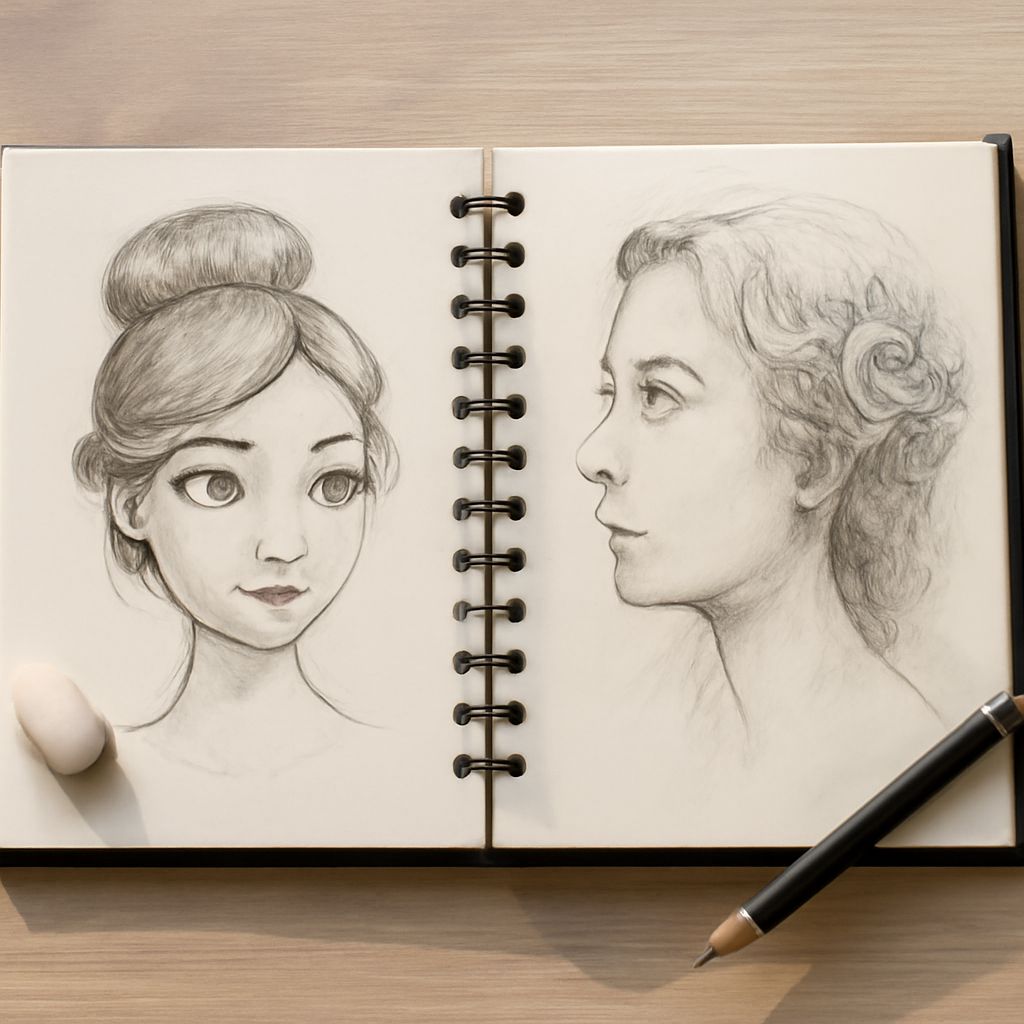
Not every colored pencil session needs to be a multi-hour detailed piece. Colored pencil sketches — loose, exploratory studies completed in 20 to 40 minutes — build color intuition and help you test color combinations before committing to a finished piece. Keep sketch paper or a sketchbook specifically for this purpose so that the lower stakes encourage more experimental mark-making than you’d risk on good paper.
Colored pencil sketches are also valuable as warm-up exercises before a longer session. Working loosely and quickly with color for ten minutes before switching to careful detail work puts your hand and eye in the right mode for the more demanding technical work ahead.
Pencil Photoshop Brush for Digital Colored Pencil Simulation
A quality pencil photoshop brush can convincingly simulate the texture and layering behavior of physical colored pencils in a digital workflow. Look for brushes with variable opacity controlled by pen pressure, visible grain texture that mimics paper tooth, and a layering behavior that allows color to accumulate gradually rather than instantly saturating. The best pencil photoshop brush sets also include a burnishing layer behavior that smooths and saturates underlying layers when applied at high pressure.
Digital colored pencil work can be printed and combined with traditional media, or used as a standalone medium for illustration work where the colored pencil aesthetic is desired without the material limitations of physical media.
Safety Recap
When using mineral spirits for blending, work in a ventilated space and avoid direct skin contact with the solvent. Store colored pencils away from heat, which can cause wax-based pencils to soften and lose their point retention. Fixative sprays should always be used outdoors or with strong ventilation — the aerosol propellants and solvents require care even when the fixatives themselves are labeled as artist-safe.