Drawing Clouds, Broom Drawing, and How to Prepare for a Drawing Contest
What connects drawing clouds to preparing for a drawing competition? More than you might expect: both require the ability to observe complex, irregular forms and render them convincingly — and both reward sustained practice with observable, measurable improvement. Whether you’re developing your observational skills through atmospheric subject matter, practicing specific objects like a broom drawing to build confidence with constructed forms, or actively preparing for a drawing contest, this guide covers the technical approaches and preparation strategies that actually make a difference. Entering a pencil drawing contest specifically requires understanding how judges evaluate work and what pencil technique decisions produce the most compelling results within that medium.
Let’s cover the skills, the preparation, and the specific subjects that bridge practice drawing and competition-ready work.
Drawing Clouds: Observational and Technical Approaches
Understanding Cloud Structure Before Drawing
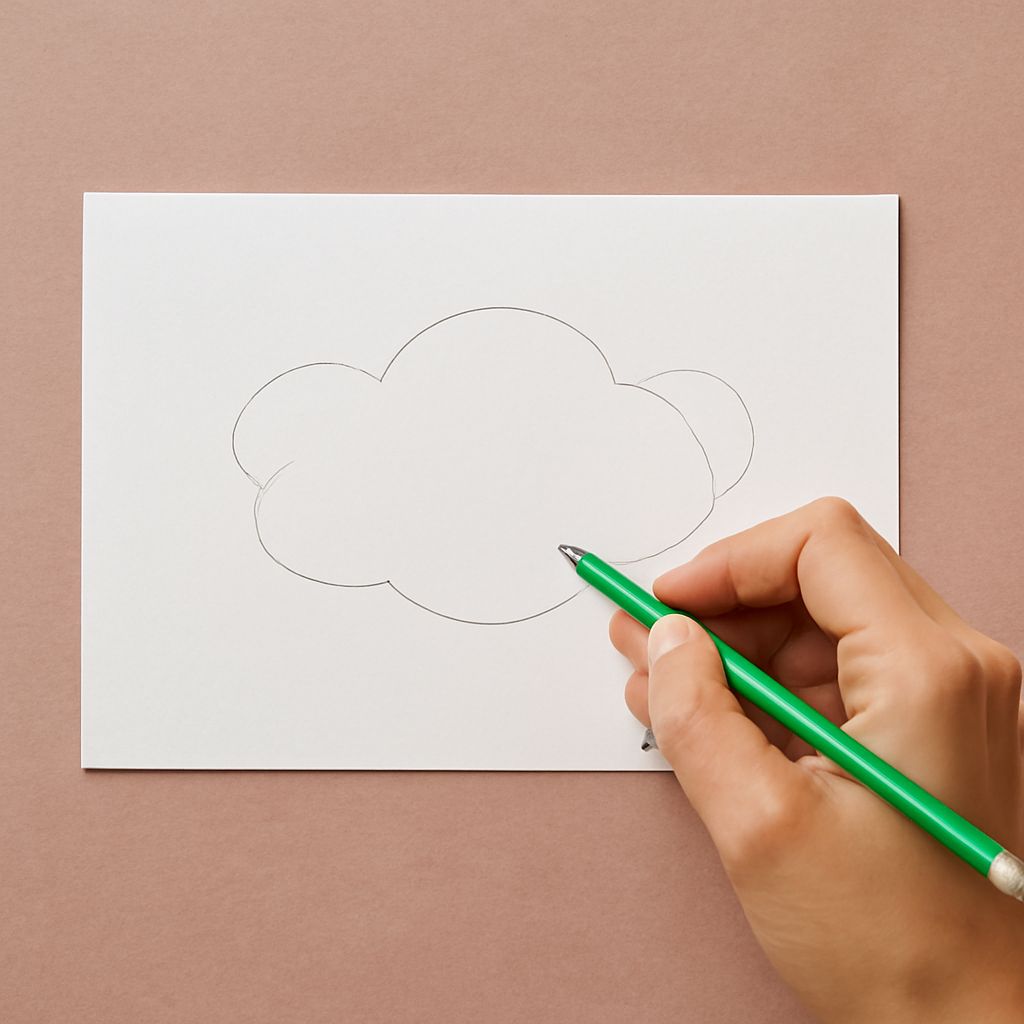
Drawing clouds rewards a preliminary study of the different cloud types and their characteristic forms. Cumulus clouds — the rounded, stacked white towers — have a distinctive light-from-above, shadow-underneath structure that makes them relatively straightforward to render once you understand the underlying logic: the upper surfaces face the sun and receive direct light; the bases are in shadow; the interior masses cast shadows on each other creating the characteristic layered appearance. Cirrus clouds — the thin, wispy high-altitude streaks — require a completely different approach: loose, light strokes that suggest rather than describe.
The key technical challenge in drawing clouds is value management. Clouds are often the lightest element in a landscape — their maximum white should be lighter than almost anything else in the scene. Reserving paper white for cloud highlights while building the sky around and behind the cloud forms (rather than drawing clouds on top of a finished sky) produces the most luminous results in pencil or graphite work.
Practice Exercises for Cloud Rendering
Fill a page with small cloud studies — five to ten minutes each, from photo reference or direct observation. Focus each study on a different aspect: one study for value contrast between lit and shadowed masses, one for the irregular soft edges where clouds meet sky, one for the crisp edges where clouds catch strong light. This component-by-component practice builds the skills needed for complete cloud compositions faster than repeatedly drawing full landscapes with clouds included.
Broom Drawing: Constructed Form Practice
A broom drawing offers something that organic subjects like clouds cannot: a predictable, measurable constructed form with clear planes, perspective behavior, and material surface properties. Drawing a broom from different angles trains your eye for foreshortening — the way the handle appears shorter in three-quarter view than in profile, and the way the broom head’s rectangular form compresses as it turns away from the viewer. A complete broom drawing exercise with multiple angle studies in a single session develops the kind of perspective intuition that serves every other drawing subject.
The bristle section of a broom also offers valuable texture practice. Individual bristle fibers can’t be drawn individually at normal scale — instead, the texture is suggested through directional hatching that follows the bristles’ swept direction, varying density to indicate where bristles bunch together versus where they spread. This texture suggestion skill transfers directly to drawing hair, grass, fur, and other directional texture subjects.
Preparing for a Drawing Competition
Understanding What Judges Look For
Succeeding in a drawing competition requires understanding the evaluation criteria before preparing your entry. Most drawing competitions assess technical skill (accurate proportions, controlled mark-making, effective use of the medium), compositional quality (interesting arrangement, clear focal point, good use of space), and originality (a distinctive approach or subject choice that stands apart from other entries). Knowing these criteria lets you prepare strategically rather than just producing your best existing drawing and hoping it’s enough.
A well-prepared drawing contest entry typically shows your strongest technique in a composition that makes an immediate visual impact. Judges review many entries, often quickly. A drawing that rewards careful inspection but doesn’t communicate quickly at a glance is at a disadvantage regardless of its technical quality. Strong value contrast, a clear center of visual interest, and confident mark-making are the properties that make entries register immediately.
Pencil Drawing Contest Specific Preparation
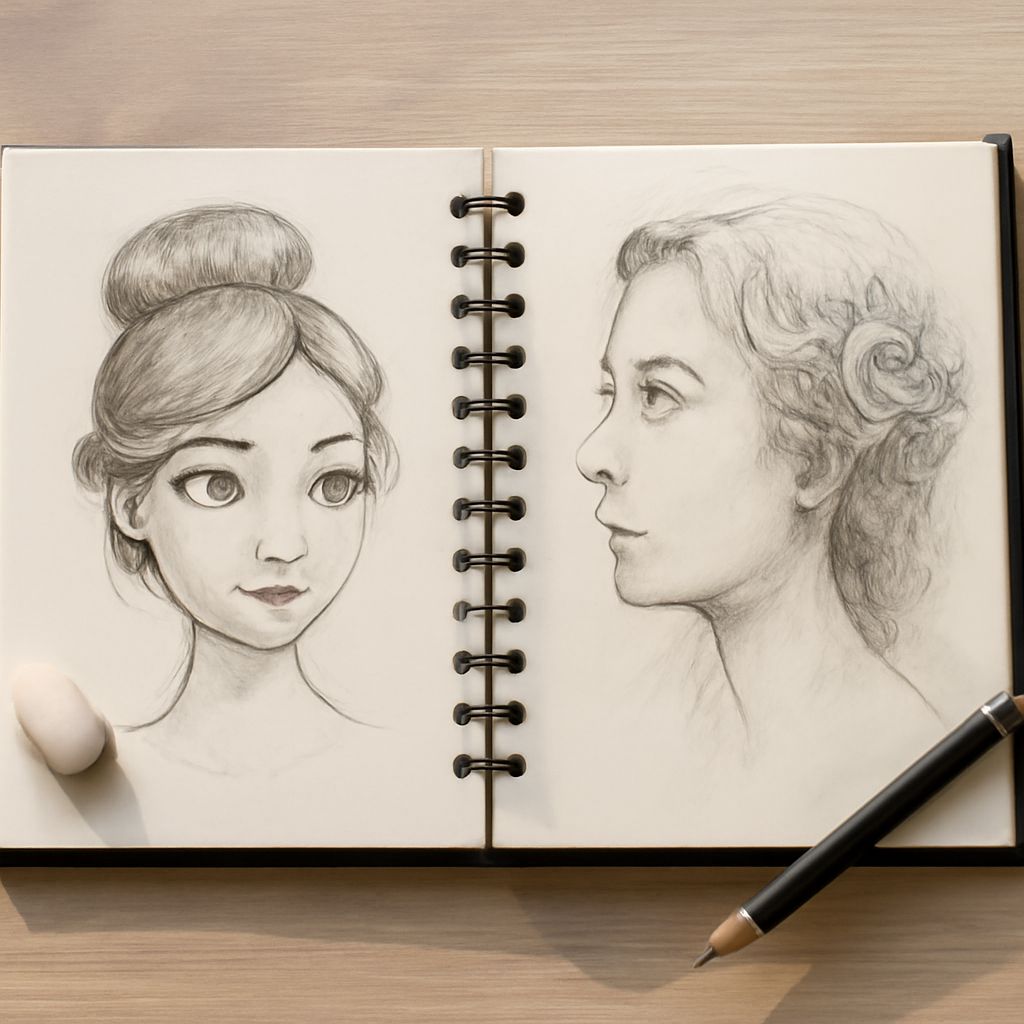
A pencil drawing contest specifically evaluates what the graphite medium can do that other media cannot: the range from barely-there marks to rich, velvety darks, the precision possible with a sharp point, and the versatility of tone achievable through varied pressure and stroke direction. Prepare for a pencil drawing contest by demonstrating this range intentionally — include areas of extreme light tone and areas of deep dark in the same composition to show full tonal command of the medium.
Next Steps for Competition Preparation
Practice your intended competition subject in at least five different compositions before committing to your entry. Photograph each study and evaluate the versions side-by-side to identify which compositional approach is strongest. Get feedback from trusted peers or mentors on your top two choices before finalizing your entry. The difference between a competition-quality drawing and a practice-quality drawing is usually three or four rounds of deliberate refinement rather than one inspired session.