Why do cartoon feet get such a bad reputation in art education? They’re awkward, often overlooked, and yet they ground a character literally and figuratively in their world. Mastering cartoon feet is one of those technical skills that separates polished character design from student work. And while you’re at it, exploring the anxiety cartoon genre and learning to work with cartoon stencils opens up a whole range of creative and commercial applications worth understanding.
This guide covers the design logic behind stylized feet, the visual vocabulary of an anxious cartoon character, how cartoon stencils can accelerate your workflow, and the broader tradition of social anxiety cartoon art in editorial and web illustration contexts. By the end, you’ll have a more complete character design toolkit and a better understanding of how emotional states translate into visual form.
Designing Cartoon Feet
Anatomy Simplified for Cartoon Style Real feet are complex — twenty-six bones, multiple joints, and intricate tendon structures combine to create a form that most students draw inaccurately from memory. Cartoon feet simplify this complexity into a few essential shapes: the basic wedge of the foot, the ball of the heel, and the toe cluster at the front. In most cartoon styles, the foot reads as a horizontally extended oval or rectangle when seen from the side, widening slightly toward the toes.
Cartoon feet communicate character personality through their size, shape, and posture. Large, round feet suggest warmth and approachability (think classic Disney characters); small, pointed feet imply elegance or menace; wide, blocky feet suggest physical strength or blue-collar groundedness. Make deliberate proportional choices rather than drawing feet as an afterthought.
Foreshortening and Perspective
The hardest view for cartoon feet is the three-quarter perspective, where the foot is neither fully in profile nor fully front-facing. Simplify this by thinking of the foot as a wedge shape in perspective: the heel end is narrower and taller; the toe end is wider and lower. Add toe shapes last, as simple rounded forms clustered at the front of the wedge. Practice this view specifically — it appears constantly in walking and running poses.
The Anxiety Cartoon Genre
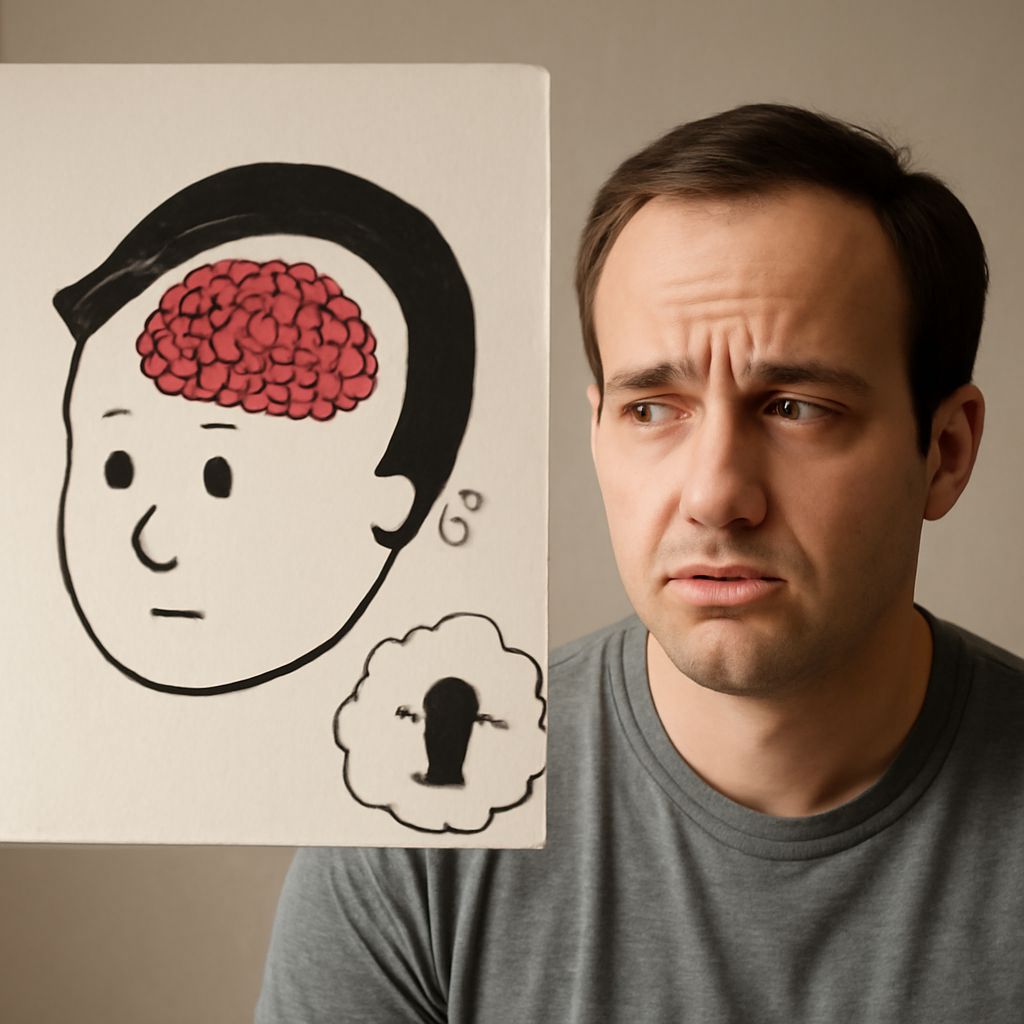
The anxiety cartoon has become one of the defining visual languages of contemporary mental health communication. From editorial illustrations in psychology magazines to the enormous world of webcomics, the anxious cartoon character uses exaggerated body language, distorted expressions, and visual metaphors (sweat drops, storm clouds, tangled thoughts) to make invisible emotional experiences visible and relatable.
An effective anxiety cartoon typically features a character with rounded, inward-collapsed posture — shoulders raised, chin tucked, arms held close to the body. The eyes often appear wide and unfocused or heavily shaded underneath to suggest exhaustion. Contrast this with a social anxiety cartoon, where the character specifically interacts with other people: looking away, blushing, making themselves physically smaller in a group setting.
Cartoon Stencils: Workflow and Application
Cartoon stencils are pre-cut shapes that allow you to reproduce consistent graphic elements quickly in traditional media. In urban mural work, street art, and classroom art programs, cartoon stencils dramatically accelerate production while maintaining clean, consistent lines. You can purchase pre-made cartoon stencil sets or cut your own from acetate using a craft knife and a printed template.
For digital artists, the equivalent of cartoon stencils is a library of reusable vector shapes and custom brushes. Building a digital stencil library of recurring elements — speech bubbles, stars, lightning bolts, sweat drops — saves significant time in web comic production and editorial illustration workflows. Organize these assets by category and keep them accessible within your software workspace.
Social Anxiety Cartoon in Editorial Context
The social anxiety cartoon genre has moved from niche internet content to mainstream editorial illustration, appearing in publications like The New Yorker, Psychology Today, and numerous mental health advocacy platforms. These illustrations perform an important cultural function: they validate shared experiences, reduce stigma, and communicate nuanced emotional states more efficiently than any written explanation.
If you want to develop work in this space, study the most influential web comic artists working with mental health themes — Sarah Scribbles, Gemma Correll, and Nick Seluk are notable examples. Notice how each artist has developed a consistent visual shorthand for anxiety states that their audiences instantly recognize. Developing your own consistent visual language for emotional states is the foundation of a long-term editorial illustration career.