How do the most memorable brands translate their identity into a single, timeless mark? Graphic design illustration sits at the intersection of fine art and commercial communication, where a well-crafted image can define an entire business personality at a glance. Whether you’re creating a dress design sketch for a fashion label, developing a p logo design for a personal brand, or building a full design studio logo for a creative agency, understanding the principles that unite these disciplines makes your work sharper and more intentional.
This guide covers the full workflow: from initial concept sketching through to finished logo refinement and brand system thinking. You’ll find specific guidance on dress sketching, letterform logo design, studio identity creation, and how to deliver a deluxe logo design that commands premium client fees.
The Foundation of Graphic Design Illustration
Concept Development and Sketching Every strong graphic design illustration begins with a concept phase that most clients never see but that determines the quality of everything that follows. Before opening any design software, fill pages of a sketchbook with quick, rough explorations. Generate at least twenty to thirty thumbnail concepts before evaluating any of them — the first five ideas are almost always the most obvious, and the genuinely distinctive concepts emerge after you’ve exhausted the predictable ones.
For a dress design sketch, this phase means exploring silhouette variations, fabric textures, construction details, and accessory combinations in a rapid, low-commitment format. For logo work, you’re exploring mark options: icons, letterforms, abstract shapes, emblems. The physical act of drawing by hand during this phase keeps your thinking spatial and intuitive rather than constrained by software defaults.
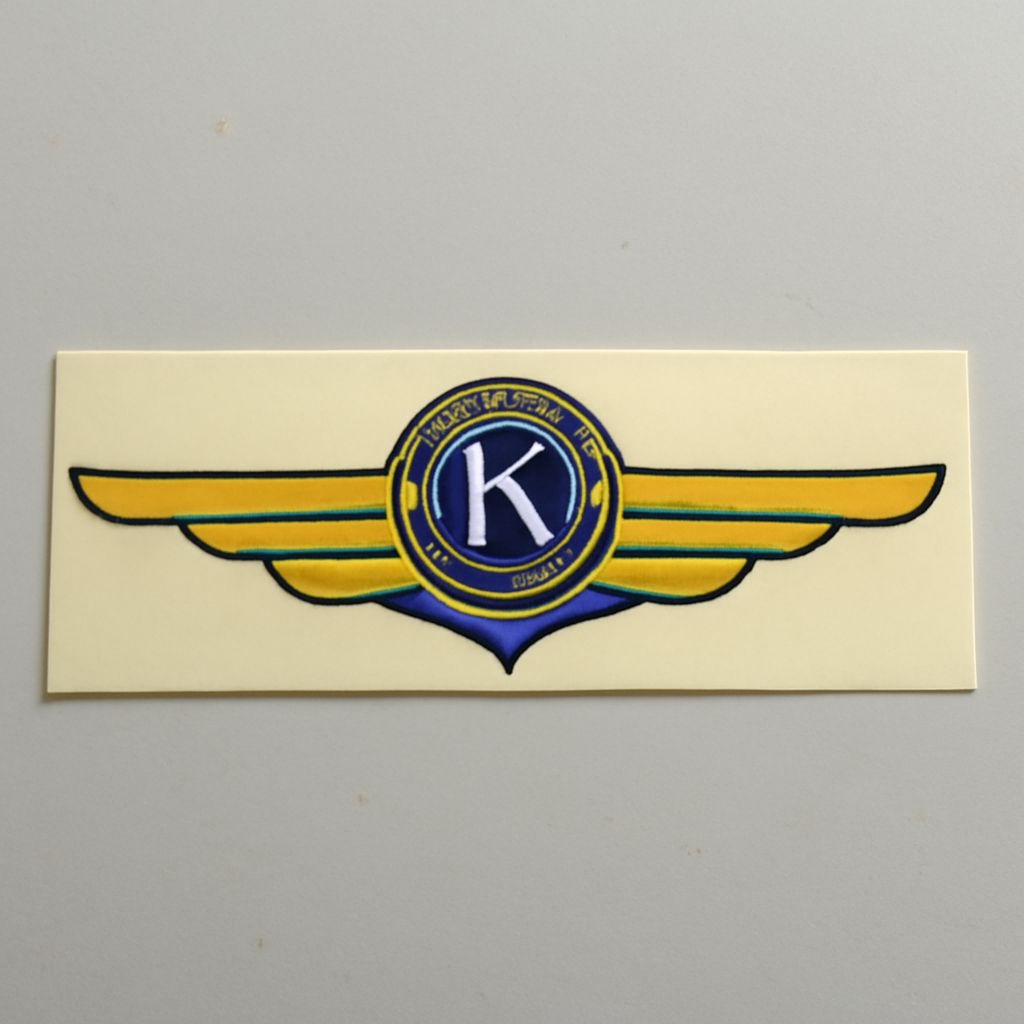
Typography and Letterform Design A p logo design is a deceptively simple brief: how do you take a single letter and make it distinctively yours? The answer involves studying the letter’s fundamental geometry, then finding an unexpected angle — a negative space, a ligature, a stylized terminal, a clever visual metaphor hidden within the letterform. The most successful single-letter marks work equally well at billboard scale and favicon size, which means every design decision must be tested across that full range.
Building a Design Studio Logo
A design studio logo carries unique weight because it represents the studio’s taste and capabilities to every potential client who encounters it. Your design studio logo essentially says: “This is what we think good design looks like.” That’s an enormous amount of pressure on a single mark, which is why many studios invest significant time and resources into getting it right.
Effective studio identity marks typically feature clean, confident geometry; sophisticated typographic treatment; and a color palette that projects reliability without boredom. Avoid trend-chasing in studio branding — what’s fashionable today will look dated in three years, and your design studio logo needs to work for a decade or more. Timelessness comes from strong underlying structure, not from surface treatment.
Creating a Deluxe Logo Design
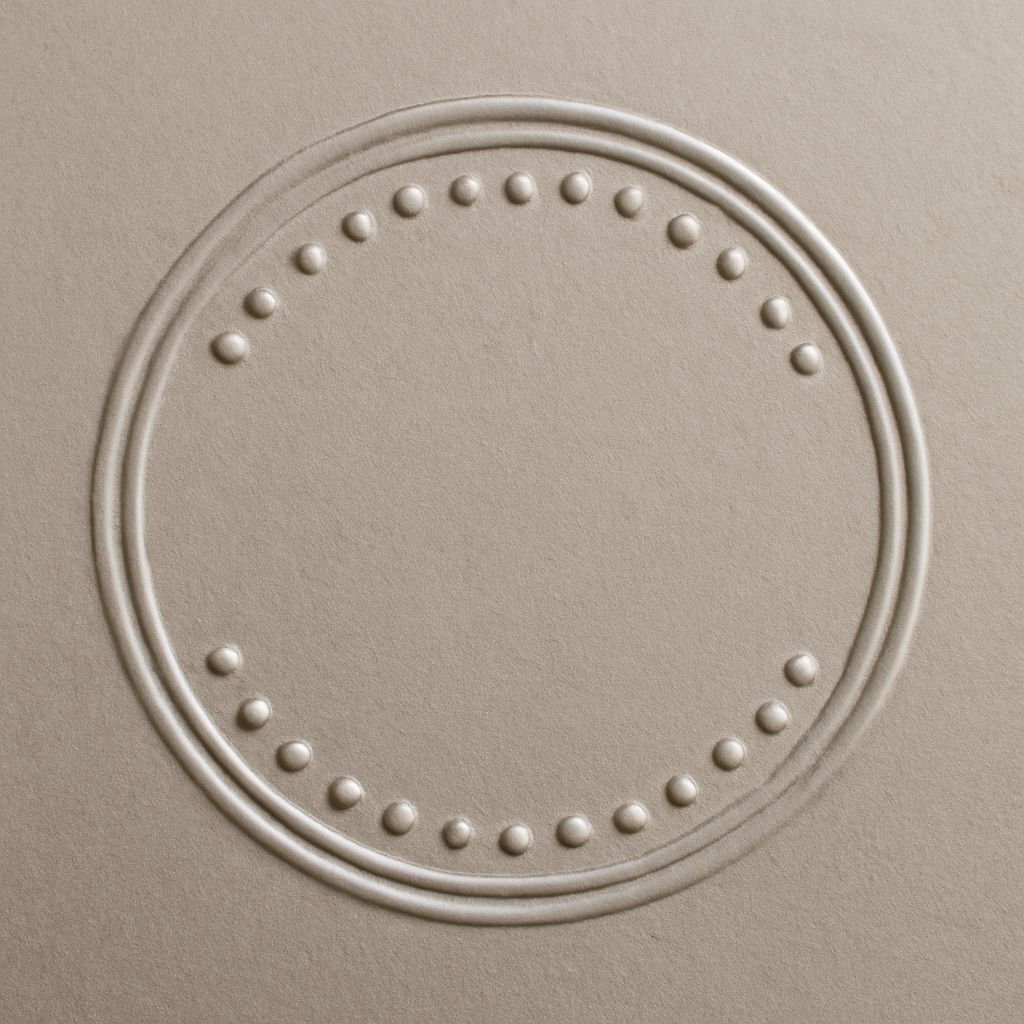
The difference between a serviceable logo and a deluxe logo design comes down to refinement depth. A deluxe logo design has been through multiple rounds of optically corrected spacing, weight testing across color conditions, comprehensive use case testing (dark backgrounds, embossing, small scale, single color), and careful trademark research. It arrives with a full brand guide specifying exactly how and how not to use the mark.
Clients who invest in a deluxe logo design receive not just a file but a strategic asset with documented usage parameters. This level of professional delivery justifies premium pricing and builds the kind of long-term client relationships that sustain a studio practice. Treat every logo project as if it deserves this treatment, even if the budget doesn’t fully reflect it — your portfolio is built on the quality of what you produce, not the fees you charged to produce it.
Dress Design Sketch as Portfolio Work
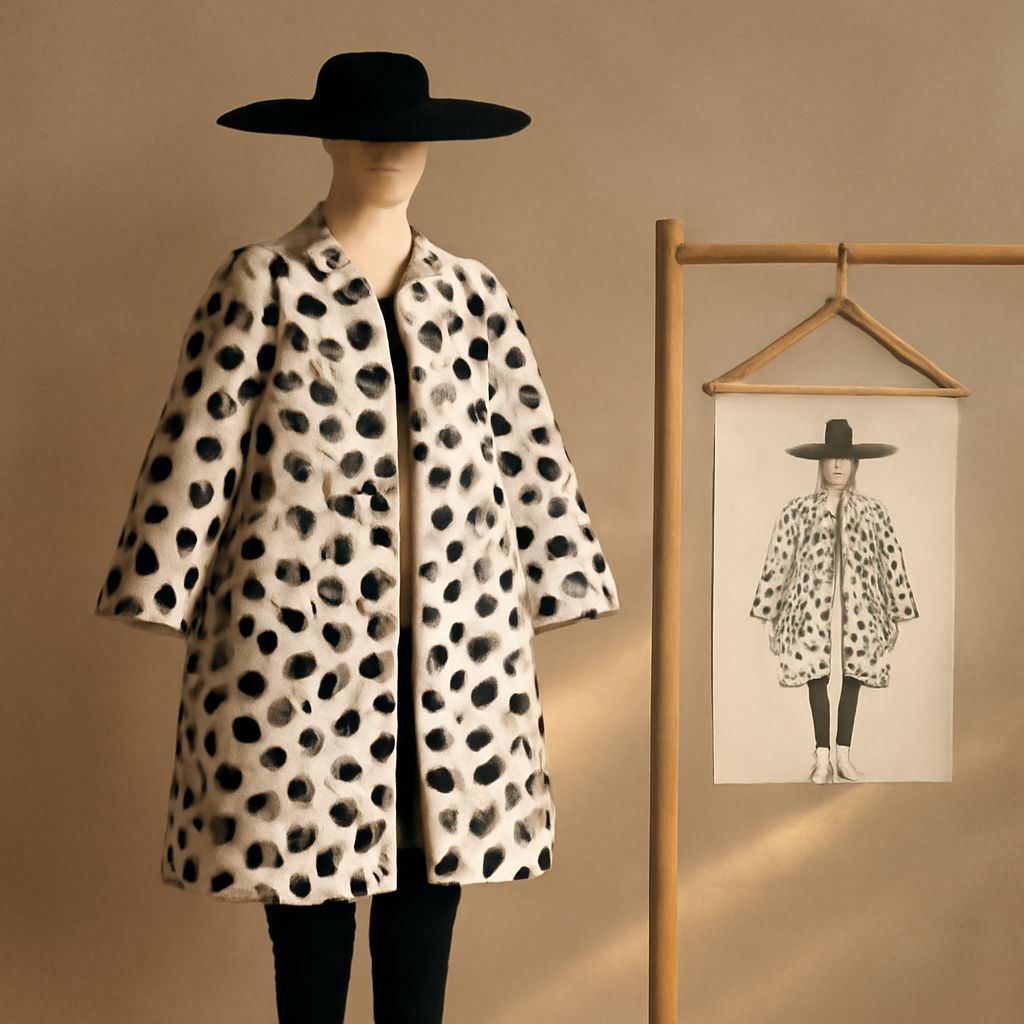
Fashion-adjacent graphic design illustration — including dress design sketch work for fashion brands, lookbook layouts, and runway show identities — represents a high-visibility, high-creativity category. A strong dress design sketch communicates fabric weight, drape, construction, and styling intent without words. Learn to vary your line quality to suggest different materials: fine, precise lines for structured fabrics; looser, gestural marks for draping silks and knits.
Building a portfolio section of fashion-integrated graphic design illustration opens doors to clients in apparel, accessories, beauty, and lifestyle — sectors where visual communication is central to brand strategy and where premium rates reflect the sophistication expected from creative partners.