Have you ever looked at a breathtaking piece of fantasy illustration and wondered how the artist built that world from scratch? Whether you’re drawn to sweeping dragon-filled skies or intimate woodland scenes, the craft behind fantasy illustrations is both learnable and endlessly rewarding. This guide walks you through the key techniques, from foundational illustration tutorials to niche skills like rope illustration and idiom illustrations, so you can develop your own distinctive style.
Digital tools have made fantasy illustration more accessible than ever. You don’t need an expensive studio setup — just a solid understanding of core principles, some patience, and the right illustration tutorials to point you in the right direction. By the end of this article, you’ll have a clear roadmap for leveling up your fantasy art practice.
What Makes Fantasy Illustrations Stand Out
The Core Elements of Digital Fantasy Art Great fantasy illustrations share a few defining traits: strong silhouettes, cohesive color palettes, and a sense of narrative. When you look at celebrated fantasy artwork, you notice that each image tells a story before a single word is read. The composition guides your eye, the lighting creates drama, and the details reward closer inspection.
Start by studying professional fantasy illustrations from concept artists and book cover designers. Notice how they use foreground, midground, and background layers to build depth. Pay attention to how light sources define form and mood. These fundamentals apply whether you’re working in Procreate, Photoshop, or Clip Studio Paint.
Building Atmosphere in Your Fantasy Scenes
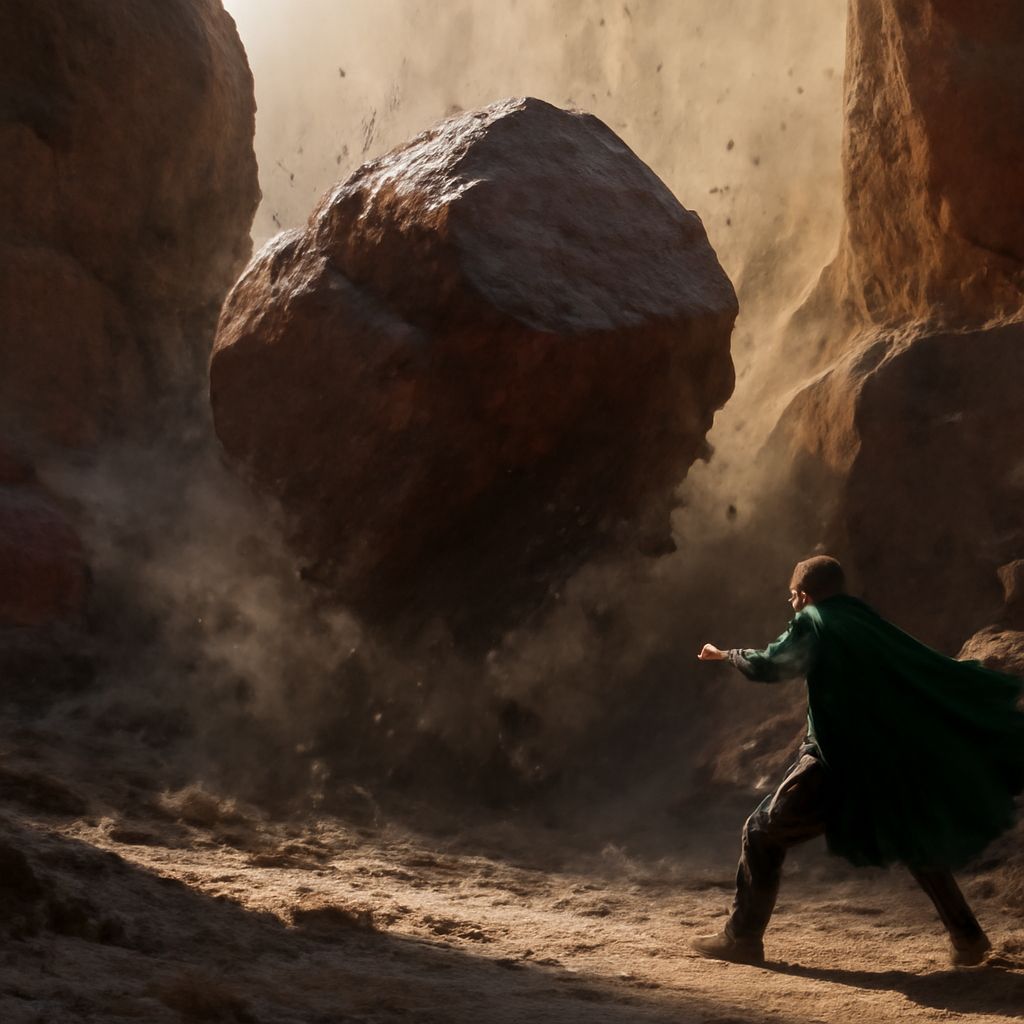
Atmosphere is what separates a competent illustration from a memorable one. Use atmospheric perspective — objects in the distance appear lighter and less detailed — to create a sense of vast space. Fog, rain, and dust particles add environmental storytelling. Think about the weather, the time of day, and the emotional tone you want to convey.
Color Theory for Magical Worlds
Fantasy art often uses color symbolically. Cool blues and purples suggest mystery or magic; warm ambers signal danger or power. When building your palette, limit yourself to three to five base colors and use tints and shades to create variation. Complementary color accents draw the viewer’s eye to focal points.
Essential Illustration Tutorials for Beginners and Beyond
Starting Your Digital Workflow
If you’re new to digital illustration tutorials, begin with gesture drawing exercises. Apps like Line of Action and Quick Poses give you timed practice sessions that train your hand-eye coordination. Once you’re comfortable with basic forms, move on to value studies — black-and-white paintings that focus purely on light and shadow without the distraction of color.
Mastering Brush Techniques
Your brush toolkit shapes your artistic voice. Experiment with textured brushes for backgrounds, soft airbrushes for skin and atmosphere, and hard round brushes for sharp edges on weapons, armor, or architectural details. Most illustration tutorials recommend building a small, focused brush set rather than hoarding hundreds of presets.
Working with Layers and Lighting
Layers are your best friend in digital art. Use separate layers for rough sketch, line art, base colors, shadows, highlights, and special effects. This non-destructive workflow lets you adjust any element without redoing your entire piece. For lighting, try painting your scene in grayscale first, then add a Color layer set to blend mode to apply hues — it keeps your values accurate.
Specialized Techniques: Rope Illustration and Texture Work
How to Draw Rope with Realistic Texture Rope illustration is a surprisingly useful skill in fantasy art. Ropes appear in ship rigging, dungeon scenes, market stalls, and character equipment. To draw believable rope, start with a twisted S-curve structure. Each strand wraps around the others in a consistent rhythm. Use a mid-tone base, then add darker shadows on the underside of each twist and lighter highlights on top where light catches the fibers.
For added realism in rope illustration, use a texture brush to suggest individual fiber strands without painting every single one. Step back frequently to check that the overall form reads clearly before getting lost in micro-detail.
Applying Rope Elements in Fantasy Compositions
Ropes can serve compositional purposes, guiding the viewer’s eye through a scene. A coiled rope in the foreground, a taut line connecting two towers, or a character gripping a frayed cord all add visual interest and narrative tension. Practice incorporating these elements into your existing fantasy pieces to see how they change the dynamic.
Idiom Illustrations: Turning Phrases Into Visual Stories
Idiom illustrations challenge you to translate abstract language into concrete imagery. Phrases like “bite the bullet,” “burn bridges,” or “walk on eggshells” become fascinating design problems when you approach them visually. This practice is popular in editorial illustration and concept art portfolios because it demonstrates creative thinking alongside technical skill.
To create effective idiom illustrations, first list the literal elements of the phrase, then brainstorm ways to subvert expectations or add a twist. The best idiom illustration work balances clarity — the viewer gets the joke immediately — with visual complexity that rewards a second look. Try producing a series of idiom illustrations around a single theme, such as nature or medieval fantasy, to create a cohesive portfolio piece that showcases both your conceptual range and your digital illustration chops.