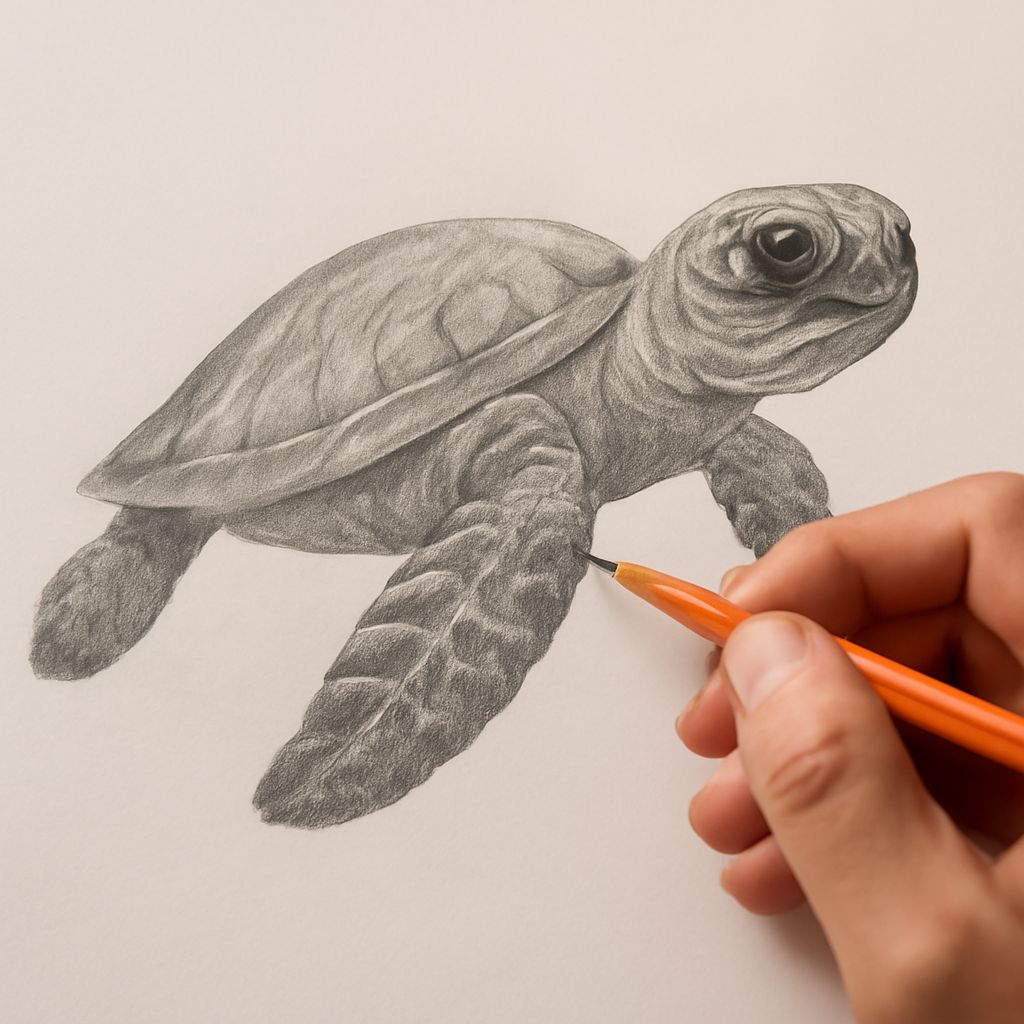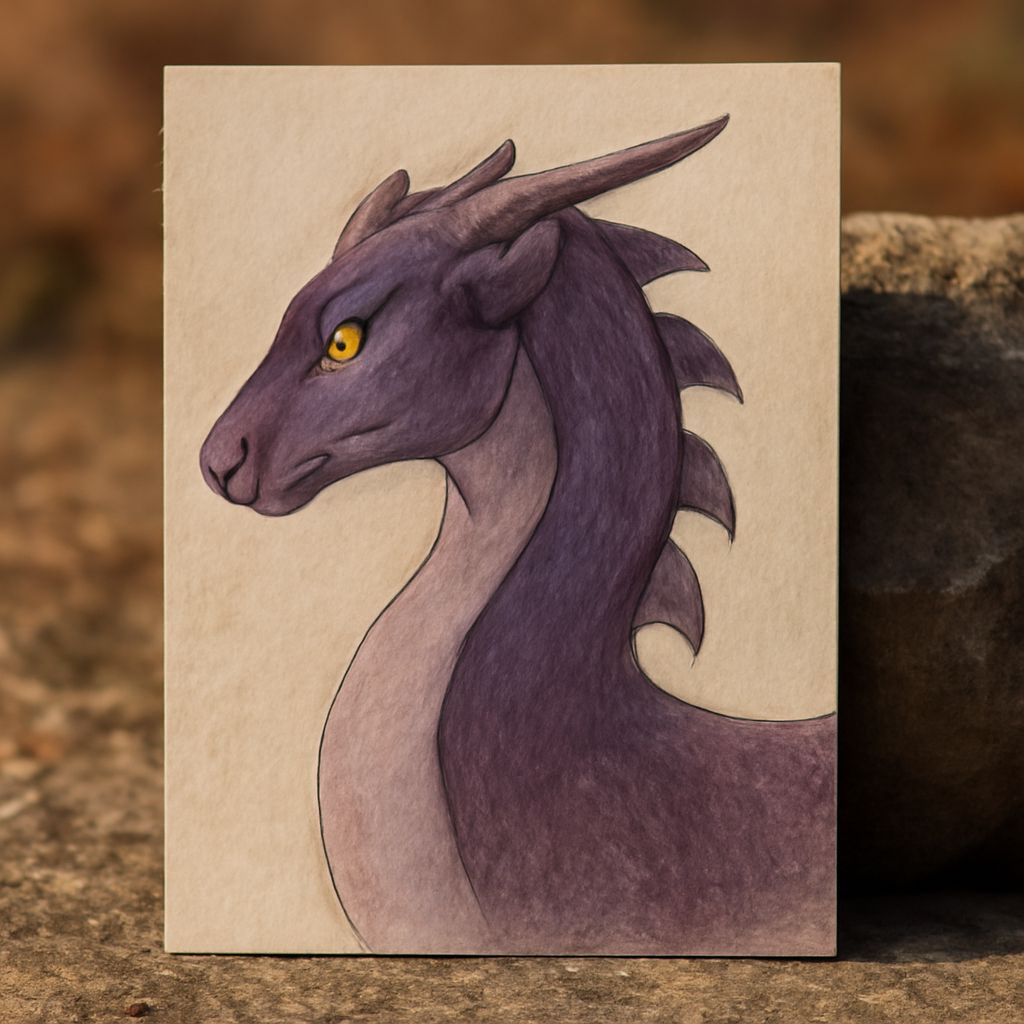
What makes pastel drawing such a versatile medium for artists at every level? The directness of application, the ability to blend with a finger or stump, and the rich pigment load that pastels carry make them one of the few drawing media that produces finished-looking work quickly. Whether you are creating a soft pastel drawing of a sleeping animal, a careful classical drawing study, or a playful drawing pig piece for illustration work, the fundamental techniques are the same and the learning curve is accessible from the first session.
Soft pastel drawing in particular has a long tradition in both fine art and illustration, with classical drawing masters like Degas and Cassatt demonstrating that the medium can produce works of extraordinary subtlety and depth. Drawing bed scenes and domestic interiors have long been subjects in pastel, prized for the medium’s ability to suggest soft textures, dim light, and the particular warmth of interior spaces. A drawing pig study in pastel puts those same texture skills to work on a different subject, one that rewards close observation of tonal variation in skin and the way light falls across rounded forms.
Getting Started with Pastel Drawing
Types of Pastels Soft pastels have the highest pigment content and blend most easily. Hard pastels are firmer and better for fine detail and initial sketching. Pastel pencils give the most control for small details. For soft pastel drawing, start with a set of 36 to 72 soft pastels that include a good range of lights, midtones, and darks in your subject’s color family. Cheap pastels crumble, streak unevenly, and have inconsistent color output; a mid-range set from a reputable manufacturer saves frustration.
Paper for Pastel Drawing Pastel requires textured paper that grips the pigment. Canson Mi-Teintes, Fabriano Tiziano, and Pastelmat are widely used options. Choosing a mid-tone paper in neutral gray, tan, or warm brown lets you use both light and dark pastels effectively from the start, rather than building from white up to light. A drawing bed study in soft pastel on tan paper, for example, allows you to add lights in white and cream while the warm paper tone handles the midtone naturally.
Soft Pastel Drawing Techniques
Layering and Blending
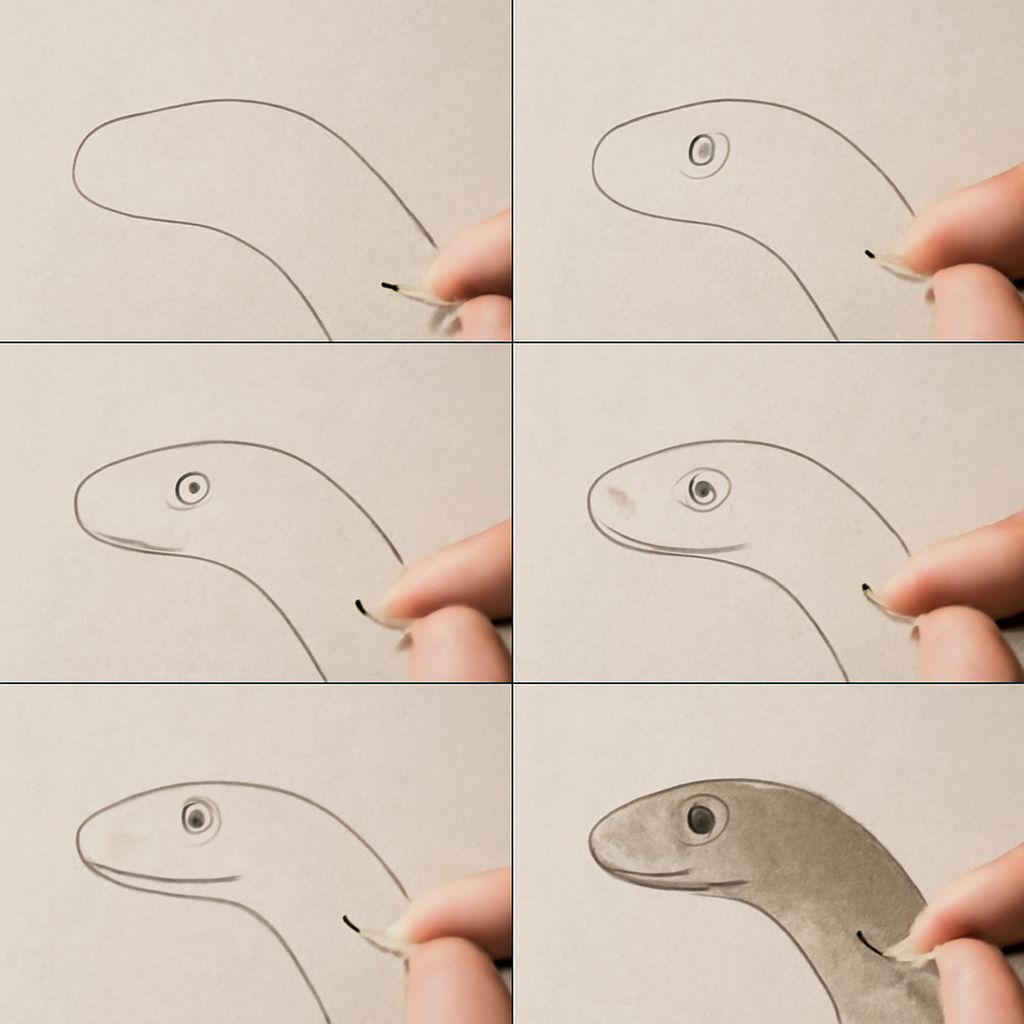
Soft pastel drawing builds in layers, from large color masses to smaller details. Apply broad strokes of your base color first, then blend with a finger or paper stump to create a smooth ground. Add your next layer on top, again blending gently. The paper’s texture eventually fills with pigment and resists additional layers, so plan your layer sequence to put the most important marks last where they will read most clearly.
Side Stroke vs. Tip Work
Using the side of a soft pastel stick covers large areas quickly and produces smooth, even tones ideal for backgrounds and large color masses. Using the tip creates more precise marks for edges, details, and accents. A complete soft pastel drawing typically moves from side strokes in the early stages to tip work in the finishing stages, progressively increasing precision as the work develops.
Fixative Use
Fixative spray binds pastel particles to the paper surface, preventing smearing. Use it between major layers to lock in earlier work before adding new marks. Light fixative application preserves layering options; heavy fixative can darken colors and reduce the receptivity of the surface to additional pastel. Test your fixative on a sample piece before using it on finished pastel drawing work.
Drawing Pig in Pastel: A Practical Study
Observing Pig Skin Tones
A drawing pig study in pastel requires careful observation of skin color variation. Pig skin ranges from warm pink to orange-red to grayish-white depending on the animal’s breed and the light hitting the surface. In soft pastel drawing, you build this range by layering warm pinks, salmon tones, and cool grays in different proportions across the form. The ears and snout typically show the most color saturation, while the body reads slightly cooler and more neutral.
Capturing Form with Light and Shadow
Pigs have rounded, substantial forms that respond clearly to a single light source. Decide where your light comes from before starting, and keep that decision consistent throughout the drawing pig process. The belly in shadow reads significantly darker than the back in light, and the shadow shapes reveal the animal’s three-dimensional structure more than any amount of surface texture detail can.
Drawing Bed Scenes in Pastel
Texture of Fabric and Linens
A drawing bed composition challenges you to render soft, folded fabric convincingly. Pastel drawing is ideally suited for this because the medium’s own texture complements the visual texture of fabric. Use broad side strokes to establish the light and dark values of the folds first, then add detail marks along the fold edges where light catches the fabric’s pile. The darkest shadows sit deep inside the folds; the lightest marks ride the fold’s crest.
Light and Atmosphere
Drawing bed scenes often feature indirect, warm light, the kind that comes from a lamp rather than a window. In soft pastel drawing, warm amber light on white linens translates into ochre and cream tones in the lit areas, with cool blue-gray shadows in the recesses. This warm-cool temperature contrast is one of the primary ways pastel drawing captures the particular atmosphere of interior, lamp-lit spaces.
Classical Drawing in Pastel
Historical Tradition
Classical drawing in the Baroque and Academic traditions used pastel for portrait work, figure studies, and preparatory color studies. Artists working in this tradition valued pastel drawing for its ability to produce refined tonal gradations that matched the subtlety of oil painting. Studying classical drawing masters like Rosalba Carriera, Maurice-Quentin de La Tour, and Edgar Degas gives you reference points for how much is achievable in the medium at its most demanding level.
Applying Classical Principles to Modern Pastel Work
Classical drawing principles, including careful observation, structured value mapping before color application, and restrained use of the highest and lowest values, apply directly to contemporary soft pastel drawing practice. Starting each pastel drawing with a value sketch that identifies the light, midtone, and shadow zones before touching color prevents the most common mistake in pastel work: applying color without a sound tonal structure to support it.