What is it about the swirl of bodies in Henri Matisse’s famous work that keeps artists and admirers entranced? When you look at the vibrant composition, does the rhythm and color call to your own creative instincts? The Matisse Dance is more than a painting—it’s an invitation to feel, move, and express yourself with color and brush. As you explore the dance painting through the soft edges and luminous washes of watercolor, you step inside Matisse’s vision and discover new ways to connect with both tradition and innovation.
Interpreting the energy and movement of the dance painting in watercolor is both a challenge and a joy. If you’ve wondered how to translate that iconic spiral of figures into your own watercolor work, or simply wish to understand what makes the Matisse Dance so captivating, this exploration will guide you through its origins, the secrets behind its composition, and the watercolor techniques that bring its spirit alive in new forms.
The Origins of Matisse Dance
Henri Matisse painted the original Dance in 1910, creating a bold, modern vision at a time when art was rapidly changing. Commissioned by Russian collector Sergei Shchukin, this large canvas marked a turning point in Western painting. The dance painting by Matisse distilled human movement into pure, flowing lines and vibrant color blocks, stripping away detail to focus on the essence of joy and unity found in dance.
Matisse was deeply influenced by the Fauvist movement, which celebrated wild color and expressive mark-making. In Dance, you see this influence in the choice of radiant reds, cool blues, and lush greens. The figures, locked in a circle, evoke a sense of liberation and human connection. Matisse himself described the work as a vision of “life and rhythm”—a blending of body, spirit, and nature.
For artists exploring watercolor, understanding these roots is essential. The Matisse Dance painting represents a deliberate departure from intricate realism. It’s about capturing the feel of a moment, not the specifics. This idea resonates perfectly with watercolor’s unpredictable, flowing qualities, where pigment and water celebrate the unexpected.
Even after more than a century, Dance remains a symbol of artistic freedom. It continues to inspire those who wish to use watercolor’s fluidity to echo movement and emotion, paraphrasing Matisse’s bold approach in their own way.
Understanding the Dance Painting
To truly appreciate the dance painting, you need to look beyond its surface. The arrangement of five nudes, joined hand in hand, forms a powerful circle. Their bodies twist and lean, communicating motion without any need for elaborate detail. Matisse’s choice to focus on silhouette and gesture was revolutionary, prioritizing the feeling of dance over anatomical precision.
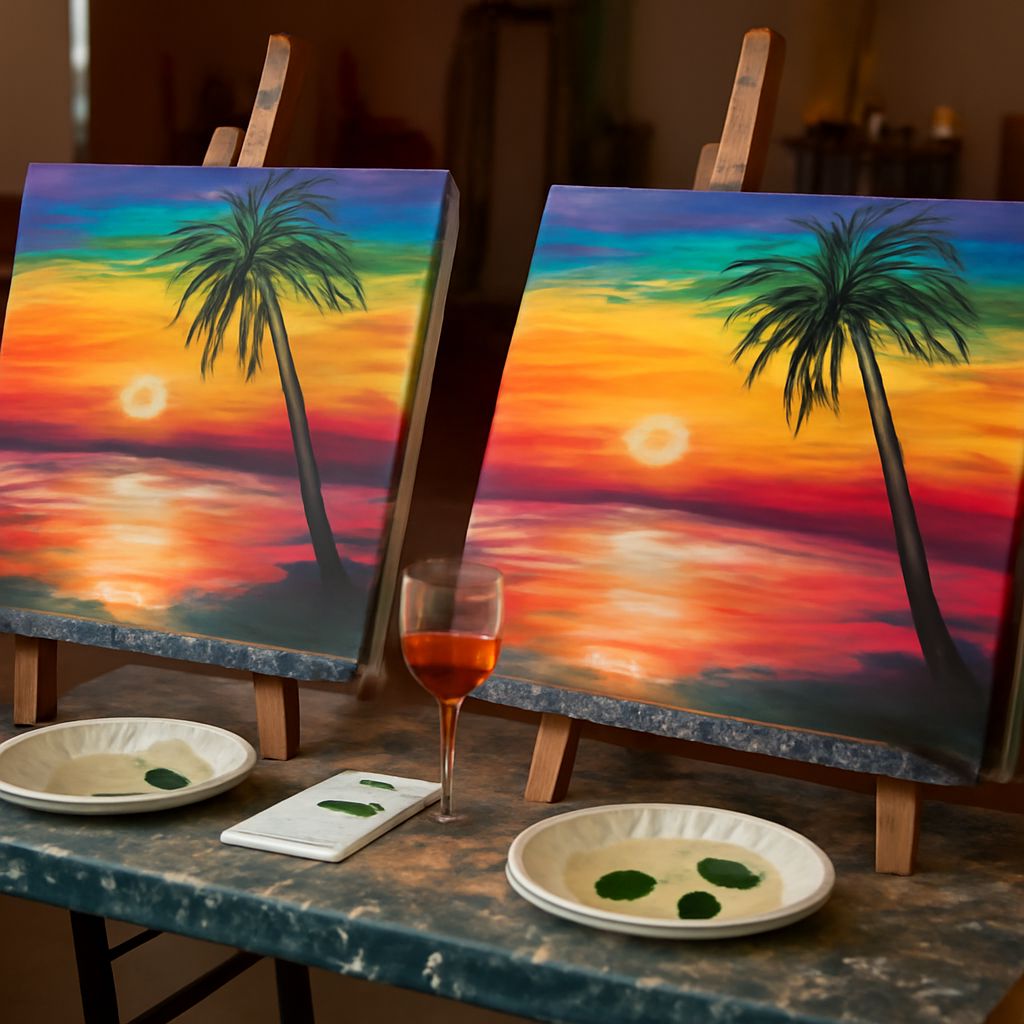
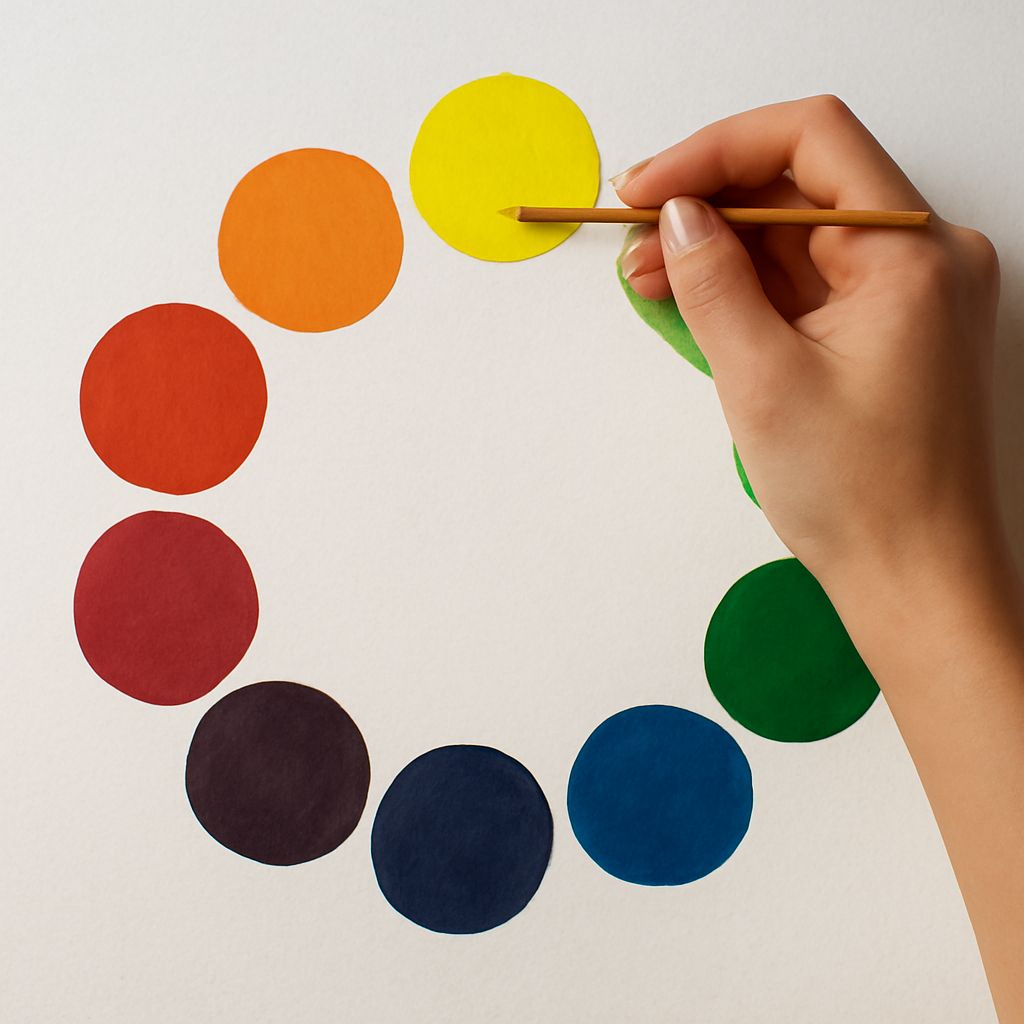
Notice the way color blocks interplay—fiery reds for the bodies, deep green for the earth, and a sky of pure blue. This limited palette creates harmony and intensity, making the figures stand out in explosive contrast. When you interpret the Matisse Dance in watercolor, you’ll find the palette both limiting and freeing, pushing you to think about how color functions emotionally and structurally.
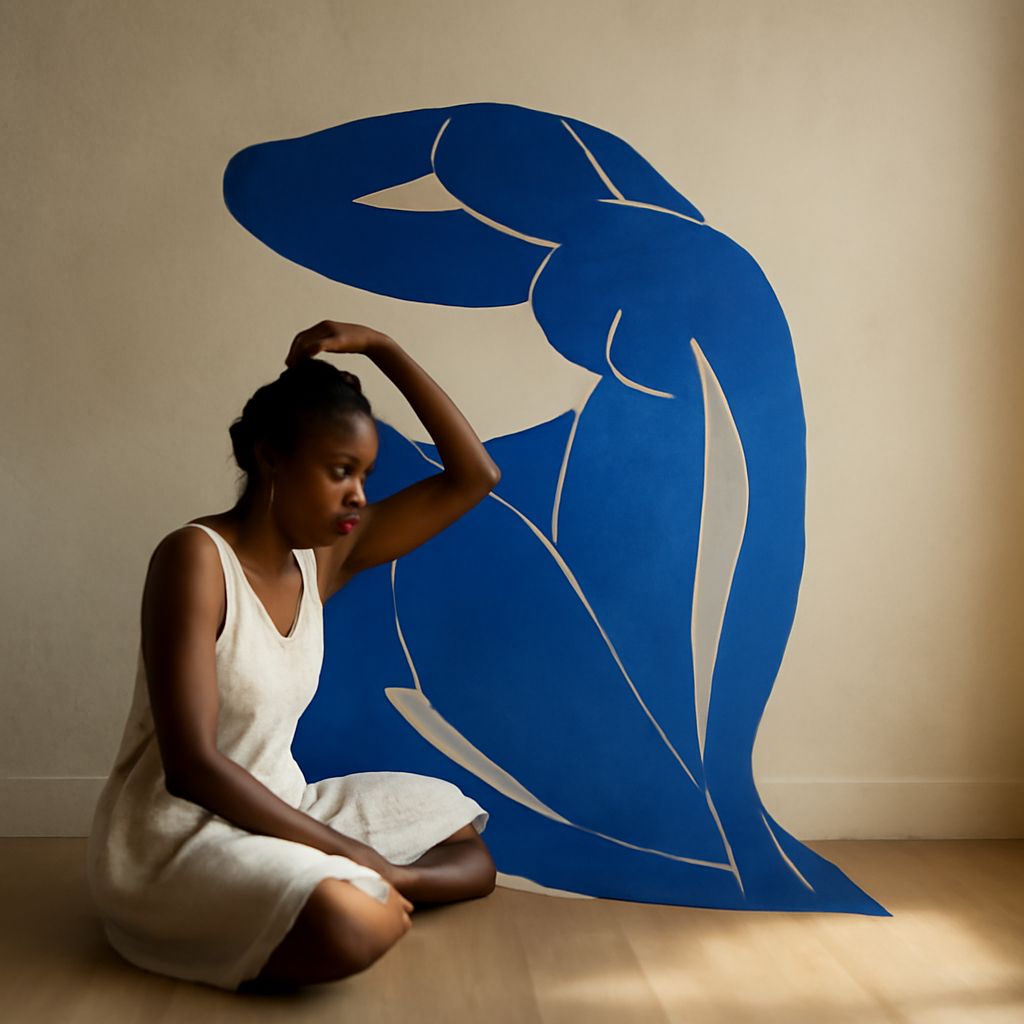
The composition also makes clever use of negative space. The figures’ arms and legs open up pockets of empty blue, giving the piece a sense of breath and openness. This use of space is a lesson in restraint: what you leave unpainted can be just as important as what you fill in. Watercolor artists often take inspiration from this, letting the paper show through or using washes to suggest movement.
At its heart, the dance painting is about unity and rhythm. The circular motion isn’t just visual—it’s emotional, drawing you into a world where movement and connection are central. As you explore this work, consider how you might express similar feelings with your own brush, using the tools and transparency of watercolor.
Watercolor Techniques Inspired by Matisse Dance
Translating the dynamic spirit of Matisse Dance into watercolor involves both observation and experimentation. You’ll want to embrace the medium’s ability to flow, blend, and surprise. Begin by focusing on broad, expressive shapes rather than tight outlines, echoing the way Matisse simplified the human form in his dance painting.
Start with a wet-on-wet technique to achieve luminous backgrounds, letting blues and greens softly merge, reminiscent of the original painting’s landscape. For the figures, use saturated reds and observe how layering can intensify color without losing the qualities of watercolor transparency. Avoid overworking the paint; Matisse’s dancers thrive on immediacy and freshness, qualities echoed in a lively wash or spontaneous brushstroke.
Experiment with negative painting by defining figures not with hard edges but with the space around them. Let the white of your paper create highlights along limbs and gestures, much like the empty blue spaces in the canvas. This approach can create the illusion of movement, just as Matisse’s brushwork does in his dance painting.
To capture rhythm, allow water and pigment to move freely at times, then return with controlled lines to anchor the composition. This interplay mirrors the tension in Matisse Dance—a balance between abandon and structure. The result can be surprisingly modern, even as you reference a century-old masterwork in your practice.
The Lasting Legacy of Matisse’s Dance Painting
The impact of Matisse Dance radiates through contemporary art, particularly in how artists approach movement, color, and emotion. Its lessons continue to resonate, not only for those painting in oils but also for watercolorists seeking fresh perspectives. The dance painting has become a touchstone for anyone interested in expressing the body and spirit in simple yet profound ways.
Modern artists often borrow Matisse’s strategies—using energetic color fields, simplified silhouettes, and rhythmic repetition to evoke feeling. You see echoes of his work in everything from abstract figure studies to expressive landscape compositions. Watercolor, with its inherent unpredictability and transparency, is uniquely suited to channeling these influences, allowing you to play with color saturation and movement just as Matisse did.
Matisse’s dance painting also teaches the value of working in series or studies. He made numerous sketches and color trials before settling on the final piece, encouraging you to experiment and iterate in your own practice. This process-oriented approach is vital in watercolor, where each attempt reveals something new about composition and technique.
Through its enduring influence, Matisse Dance asks you to look for joy and energy in your painting. It reminds you to stay open to discovery—whether through a sudden burst of color or the graceful arc of a figure in motion. The painting’s legacy is not in the details, but in the feelings and ideas it unlocks each time you reach for your brushes.
Bringing Matisse Dance into Your Watercolor Practice
If you want to infuse your painting with the same vitality as the Matisse Dance, start by studying its shapes and colors. Try sketching the iconic circle of dancers in pencil, focusing on gesture rather than detail. Then, move to watercolor, building up layers of bright, transparent hues. Allow your brush to echo the sweeping motions of the original dance painting.
Emulate Matisse’s process by making small studies, experimenting with different color combinations and degrees of abstraction. Let yourself play—watercolor is a medium that rewards boldness and spontaneity. Use large brushes and quick movements to capture rhythm, then refine as needed. Don’t be afraid to let mistakes show; sometimes, those loose edges or unexpected color blooms add the energy you’re after.
You can also borrow the spirit of Matisse’s Dance by painting groups of figures in motion, or simply using intense, joyful color fields inspired by his palette. Mix green and blue for backgrounds that suggest open air, or try layering reds for figures that pulse with life. If you’re teaching or painting with others, encourage collaborative pieces—echoing the communal energy of the dancers.
Exploring the Matisse Dance through watercolor is a way to keep the conversation between past and present alive. Each time you reinterpret the dance painting, you add your voice to a tradition that celebrates movement, color, and the sheer joy of painting.