A one-color logo on 150 shirts and a full-color illustration on six shirts place very different demands on a printer. Comparing direct screen printing with heat-pressed transfers starts with those demands: the artwork, the fabric, and the number of copies. The heat-press or screen-print choice also affects how much preparation you do before the first shirt is ready.
Heat Press vs Screen Print: How the Methods Work
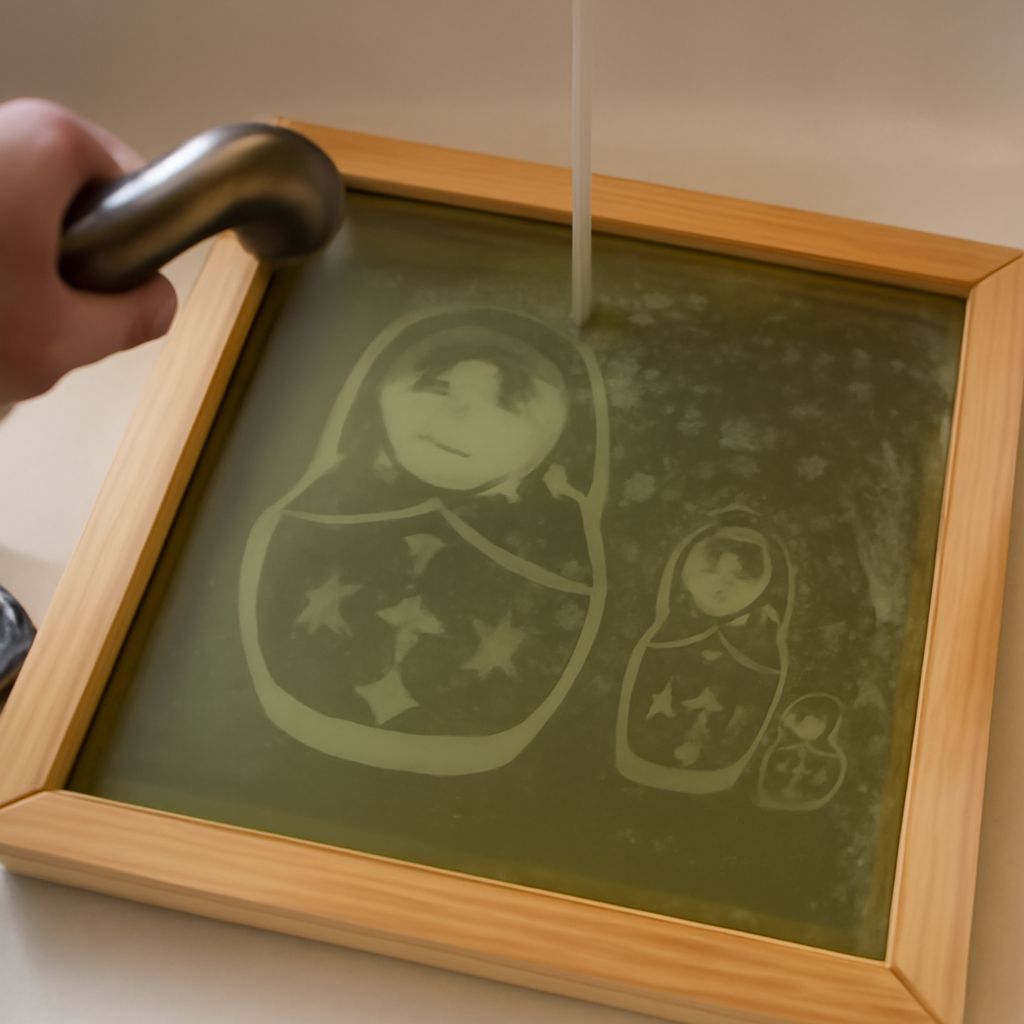
In direct screen printing, ink passes through a prepared mesh stencil onto the garment. A separate screen is generally needed for each color, and the colors must line up. After printing, the ink must be cured according to its specifications. The preparation takes time, but once the screens are set up, repeating the same design can be efficient.
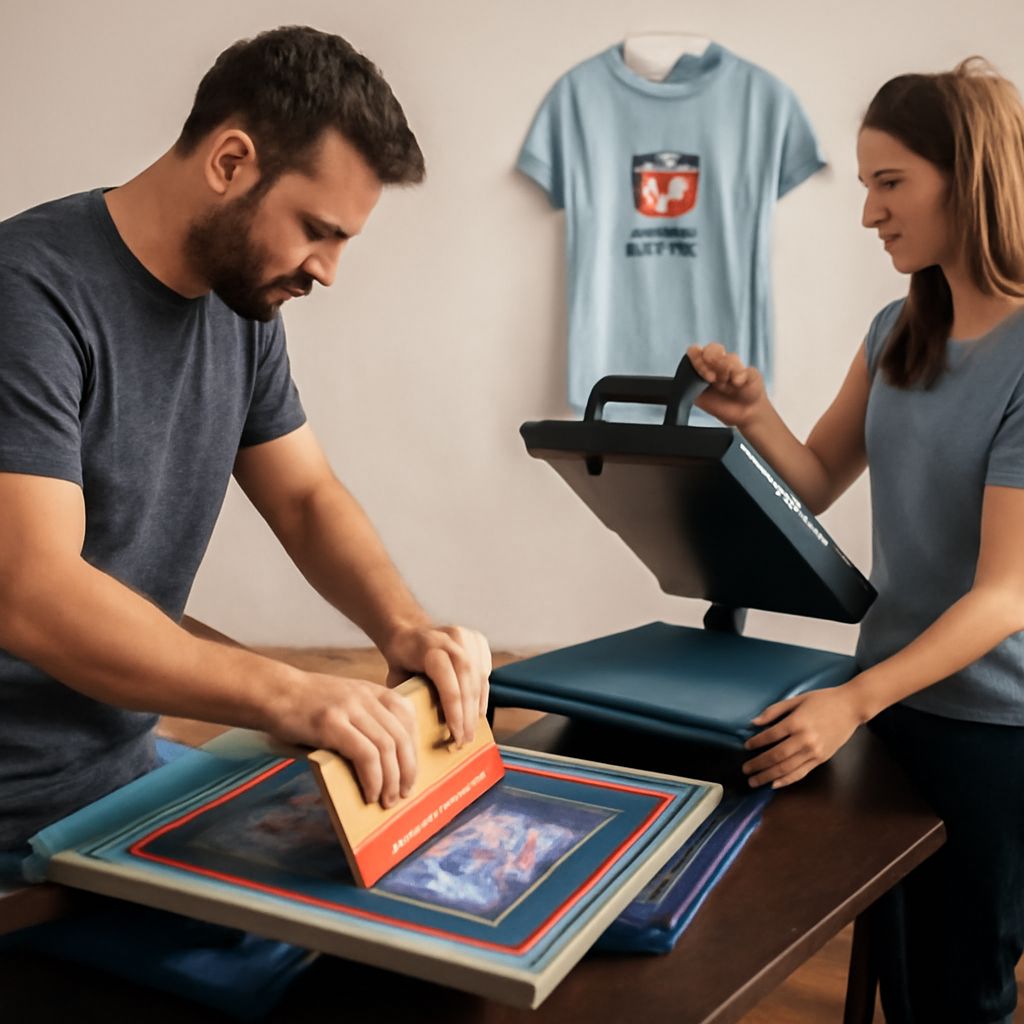
A heat press applies a transfer to the garment using heat and pressure. The transfer might be cut heat-transfer vinyl, a digitally printed transfer, or a screen-printed transfer. Each has its own material, feel, and application instructions. The press is the application tool; it does not tell you by itself how the transfer was made.
For this screen printing vs heat press comparison, think of the screen option as printing directly onto the fabric and the press option as applying a prepared transfer. Screen-printed transfers bridge those categories: their ink is printed onto a carrier first, then applied with heat. Ask what transfer is being offered before comparing samples or prices.
Match Setup and Color to the Run
Suppose a community event needs 150 cotton shirts with the same two-color emblem. Direct printing requires two color separations, two prepared screens, and registration. Once that work is complete, the same setup can produce the repeated image across the batch. A screen print vs heat press estimate should include setup as well as the cost per shirt: the more shirts share that setup, the more widely you can spread its cost.
Now suppose six volunteers need different names beneath a full-color illustration. A digitally printed transfer can carry the detailed image, and the individual names can be included without making a separate screen for each version. You still need to prepare and apply each transfer, but a small, varied order makes repeated screen setup less attractive. Ask the supplier about minimum quantities and artwork requirements before choosing.
The heat press vs screen print decision for T-shirts changes when the artwork changes. A flat one-color mark is straightforward to separate for a screen. A photograph or gradient can be adapted for direct printing, but it requires an appropriate separation and printing method; a full-color digital transfer may be simpler for a short run. Very small isolated vinyl pieces, meanwhile, can be tedious to weed and position. Let the details of your drawing guide the choice.
Compare Feel, Fabric, and Durability
The feel of a print depends on how much material sits on the fabric and on the particular ink or transfer. A thin layer of a suitable water-based ink may feel softer than a thick deposit; a large solid transfer can feel more noticeable than a design with open spaces. Some transfers are thin and flexible, while others have a more substantial film. Request samples on the same garment if the feel against the body matters.
Fabric compatibility matters just as much. A heat-sensitive polyester garment may need a transfer and application settings intended for that fabric. Direct printing also requires an ink and cure process suited to the garment. Dye migration can affect colors on some polyester fabrics, so ask the decorator how the chosen system addresses it. A guide to performance wear from Stahls’ discusses material and coverage choices for stretch garments.
Comparing heat-pressed transfers with direct screen printing on shirts also means considering durability. A durable result depends on execution as well as method. An inadequately cured direct print can wash out; a transfer applied with the wrong temperature, pressure, or time can lift. Follow the ink or transfer maker’s instructions and wash-test a sample when durability is important. Compare the results after the same care routine rather than judging only a fresh print.
Two Orders, Two Practical Choices
For the 150 identical cotton shirts, direct screen printing is a strong first quote: two screens serve the whole order, and a proof can establish color and placement before production. Confirm the total, including setup, garment, printing, and any extra charge for a proof. If the artwork or quantity changes, request an updated quote.
For the six personalized shirts, compare a heat-pressed design with direct screen printing on the T-shirts, then start with a full-color transfer suited to the chosen fabric. Check the file resolution, the smallest legible detail, and whether names are included in the price. Ask for one applied sample to assess the colors, edges, and feel before approving the rest. A transfer can be the practical choice even when you intend to print many more shirts later; the next order may have different economics.
Make the Choice for Your Own Project
A t shirt heat press vs screen printing comparison becomes clearer when you write down the quantity, number of versions, colors, garment, and deadline. Then compare two complete quotes for that same brief. If identical artwork repeats across a large run, spread screen setup across the order and inspect a direct-print sample. If designs vary or a small batch needs full color, price a compatible transfer and test it on the garment. Choose the finish and total that serve the actual job.