Have you ever gazed at a white tailed deer and wished you could capture its graceful essence on paper? Drawing animals, especially such majestic creatures, can be challenging yet rewarding. Achieving a realistic deer drawing requires not only skill but also a deep understanding of the animal’s anatomy and behavior. In this guide, we’ll explore essential techniques and insights to help you create a stunning white tailed deer drawing that truly reflects its natural beauty.
Introduction to White Tailed Deer Drawing
Embarking on the journey of drawing a white tailed deer involves more than just capturing its shape. It’s about conveying the grace and spirit of this elegant creature. Whether you’re a beginner or an experienced artist, understanding the nuances of deer drawing can enhance your artistic repertoire and bring your wildlife art to life.
Essential Tools and Materials
Before you start your white tailed deer drawing, gather the right tools. Using high-quality pencils, ranging from soft to hard, allows for varied shading and detail. A good set of erasers, including kneaded and vinyl types, will help with precision and corrections. You’ll also need a sturdy sketchbook or drawing paper with a smooth texture to enable fine detail work.
Alongside these, consider using blending stumps for smoother transitions and a fine ink pen for adding sharp details. These essential tools and materials will equip you to tackle the intricacies of the deer’s form and texture.
Understanding Deer Anatomy
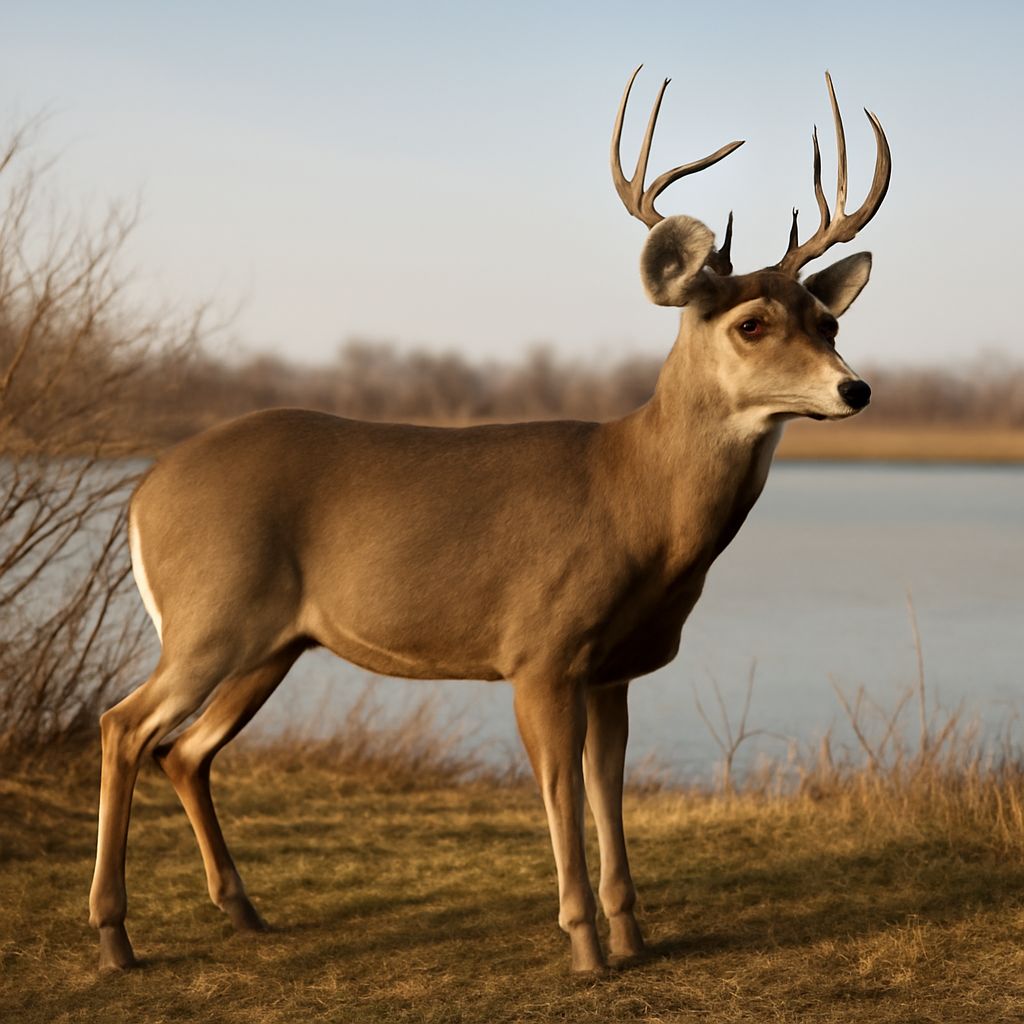
A crucial step in achieving a realistic deer drawing is understanding the anatomy of white tailed deer. Pay attention to their distinct features, such as the antlers, which vary greatly between individuals and seasons. Notice the elongated limbs and how they contribute to the deer’s agile movement.
Study reference images or observe deer in their natural habitat to gain insight into their body proportions and posture. Familiarizing yourself with these aspects will ensure your drawing accurately reflects the white tailed deer’s anatomy and movements.
Techniques for Realistic Deer Drawing
To capture the essence of a white tailed deer in your drawing, begin with a light sketch of its basic shapes and forms. Use simple lines to outline the body, head, and limbs, ensuring accurate proportions. This foundational step is critical for realistic deer drawing.
Once the basic structure is in place, gradually add layers of shading to create depth and dimension. Pay close attention to the light source in your composition to enhance realism. Remember, the subtle shifts in tone can dramatically impact the overall look of your white tailed deer drawing.
Tips for Adding Texture and Detail
Adding texture to your drawing is where the magic happens. Use fine lines and cross-hatching techniques to replicate the deer’s fur. Focus on the direction of the fur growth to maintain authenticity. Incorporating varying pencil pressures can help simulate the softness or coarseness of different fur areas.
For the finer details, such as the eyes and nose, use a sharp pencil or fine-tipped pen. These elements bring your deer to life, capturing its alertness and gentle demeanor. By investing time in these details, your drawing will resonate with the essence of a realistic deer drawing.
Final Touches and Review
As you near completion, step back and review your white tailed deer drawing. Look for areas that may require adjustments in shading or detail. Ensure the highlights and shadows align with your intended light source, and refine any features that seem out of place.
Adding a subtle background or context can enhance the overall composition, placing your deer in a natural setting. Remember, these final touches often make the difference between a good drawing and a masterpiece.
Next Steps: Keep practicing and challenge yourself with different poses and settings. Joining an art class or drawing group can provide constructive feedback and further hone your skills. With dedication, your white tailed deer drawings will continue to improve, capturing the true essence of these magnificent animals.