Have you ever admired the delicate beauty of ribbons in art and wondered how you could capture their elegance in your own work? Watercolor painting, with its flowing textures and vibrant hues, provides the perfect medium for bringing a ribbon for bows to life. This guide will take you through the essentials of painting ribbons in watercolor, revealing techniques that will enhance your artistic skills and elevate your paintings.
Introduction to Painting Ribbons
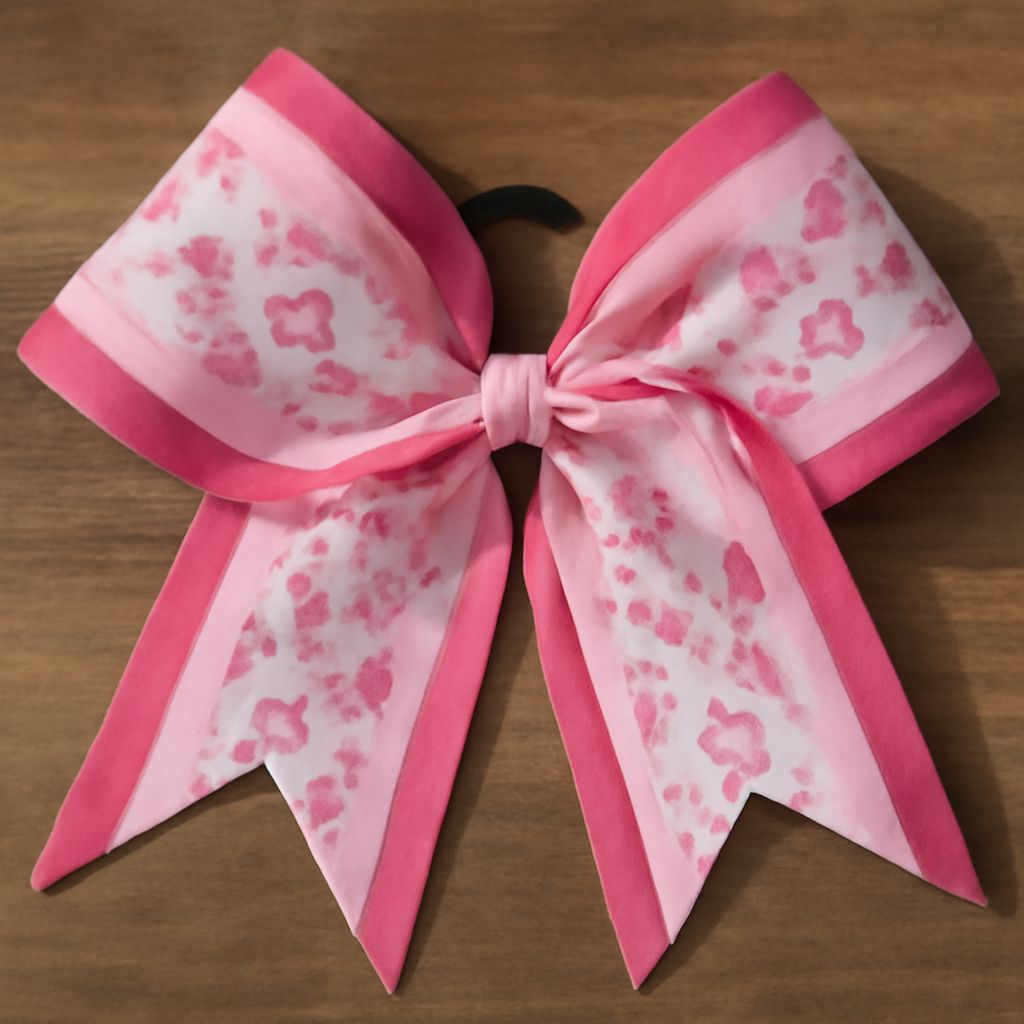
Painting ribbons in watercolor is an exquisite way to add elegance and movement to your artwork. The fluidity of watercolor allows you to mimic the soft, flowing nature of ribbons, capturing their intricate folds and delicate shadows. By mastering these techniques, you can create realistic ribbon for bows, transforming simple designs into stunning focal points.
Materials Needed for Watercolor Ribbons
Before you begin painting, gather the essential materials. You’ll need high-quality watercolor paper, a selection of brushes with various tip sizes, and a vibrant palette of watercolor paints. Don’t forget to include masking fluid, which helps preserve highlights, and a soft pencil for sketching initial designs.
Prepare a workspace with ample natural light to ensure you can clearly see the subtle color changes in your ribbons. A clean water source and paper towels are also crucial for managing paint flow and correcting any mistakes.
Techniques for Painting Ribbons
Start with a light pencil sketch of your ribbons. Focus on the flow and curves, envisioning how they will move across the paper. Begin painting with a wash technique to establish the base color, then layer with more intense hues to add depth and dimension.
For added realism, use wet-on-wet techniques to blend colors seamlessly, creating smooth transitions and subtle highlights. Experiment with different brushstrokes to depict the texture of the fabric, adjusting pressure to achieve both fine lines and broader strokes.
Creating Realistic Ribbon for Bows
To create a realistic ribbon for bows, pay close attention to light and shadow. Analyze how the ribbon twists and turns, and where the light naturally falls. Use darker tones to emphasize bends and folds, enhancing the three-dimensional appearance.
Consider using dry brush techniques to add texture and detail, such as the frayed edges of a ribbon. Layering and glazing can also help build up the richness and complexity, mimicking the subtle variations found in real ribbons.
Incorporating Ribbons in Watercolor Art
Ribbons can be a versatile element in watercolor art, offering both aesthetic appeal and a sense of movement. Whether you’re painting a bouquet adorned with ribbons or a single bow as a central motif, consider the role of the ribbon in your composition.
Contrast ribbons with other elements in your painting to make them stand out. A ribbon’s lightness can complement heavier objects, creating balance and harmony in your artwork. Use their curves to lead the viewer’s eye through the composition, enhancing the overall flow.
Tips for Perfecting Your Ribbon Art
Achieving mastery in ribbon painting requires practice and patience. Experiment with different types of ribbons, such as satin or grosgrain, to understand their unique characteristics. Observe real ribbons, noting how they interact with light and how their colors shift with movement.
Don’t hesitate to make use of reference images, and consider joining a community of watercolor artists to share insights and techniques. The more you paint, the more confident you’ll become in your ability to capture the elegance of ribbon for bows.
Finally, embrace the fluidity of watercolor. Allow the medium to guide you, and be open to unexpected results. With dedication and creativity, your ribbons will begin to dance across the paper, adding a touch of grace to your work.