What makes luxury car logos so recognizable across cultures and generations? The answer is a combination of deliberate visual restraint, historical continuity, and specific design conventions that communicate exclusivity without explanation. High end car logos tend to use limited color palettes, predominantly silver, gold, and black, combined with elegant typography and symbols that carry heritage meaning. Car logos with wings are among the most widely recognized in this category, using avian symbolism to suggest speed, freedom, and aspiration.
The design of luxury car logos has remained remarkably stable over decades, which itself communicates quality and longevity. When car with wings logo marks like Bentley and Aston Martin have maintained their essential form for more than 80 years, that consistency tells the viewer that the brand is not chasing trends. Old car logos from the early automotive era often feel surprisingly sophisticated by contemporary standards, because the designers of that period drew on established heraldic and jewelry design conventions rather than inventing from scratch.
Car Logos with Wings: The Symbolism Explained
Bentley
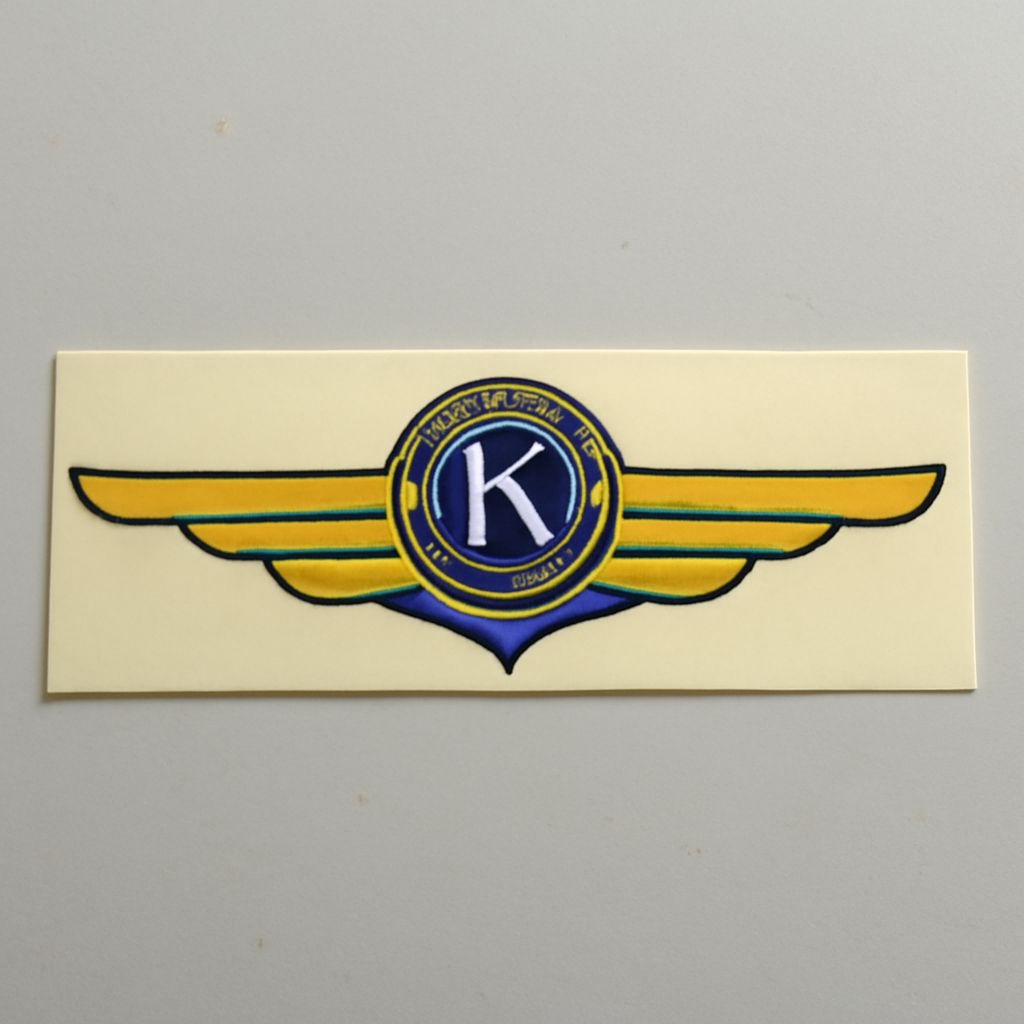
The Bentley B with wings is one of the most recognized car logos with wings in the world. The winged B was established early in Bentley’s history, drawing on the association of wings with speed and prestige that predated aviation but was reinforced by it. The wings on the Bentley emblem are highly detailed and symmetrical, rendered in a style that references classical decoration more than realistic ornithology. This abstraction from actual wing anatomy places the emblem in the realm of heraldry and prestige rather than nature illustration.
Aston Martin Aston Martin’s wings logo uses a similar car with wings logo approach but with more elongated, streamlined wings that suggest speed rather than power. The word ASTON MARTIN appears centered between the two wing halves, making the typography an integral part of the luxury car logos composition rather than a separate element. The overall effect is of a crest or badge, which aligns with the British luxury market’s tradition of heraldic imagery in product branding.
Chrysler and Other American Wings
American luxury car logos that use wings, including the Chrysler pentastar’s former wing treatment and various Cadillac crest evolutions, tend toward a more stylized, graphic interpretation than their European counterparts. American car with wings logo traditions reflect a different aesthetic heritage, drawing on Art Deco influences from the 1930s and 1940s that emphasized streamlining and forward movement over heraldic formality.
High End Car Logos: Design Principles
Restraint and Refinement
High end car logos consistently use fewer visual elements than mid-market or mass-market automotive logos. Where a mainstream brand logo might use color gradients, multiple shapes, and dynamic letterforms, luxury car logos tend toward flat silver or gold on a dark background, single geometric shapes, and typography with precise letter spacing. This visual restraint communicates that the brand does not need to shout for attention.
Historical Continuity
Most high end car logos have changed very little over many decades. The Rolls-Royce double R, the Porsche crest, and the Ferrari prancing horse have all maintained their essential form through minor refinements rather than fundamental redesigns. This stability is itself a luxury marker, because it signals that the brand has the security to maintain its identity rather than chasing contemporary design trends that will date quickly.
Heraldic Sources
Many luxury car logos draw directly from heraldic traditions: shields, crests, rampant animals, and formal symmetry. The Lamborghini charging bull, the Porsche horse, and the Ferrari prancing horse all use the same visual language as European family crests and national symbols. This connection to heraldry gives high end car logos an implied authority and lineage that purely invented graphic marks cannot easily replicate.
Old Car Logos: A Brief History
Early Automotive Emblems
Old car logos from the 1900s through the 1930s were typically enamel badges designed to be mounted on the radiator shell of the car. These physical objects needed to be identifiable at low viewing distances and maintain their detail in three dimensions, which pushed designers toward clear, simple compositions with strong color contrast. Many old car logos in this period look remarkably contemporary in their graphic clarity, because the material constraints of enamel badge production prevented excessive complexity.
The Evolution to Modern Badges
Mid-century automotive logo design moved from enamel badges to chrome metal badges to painted or chromed plastic emblems as manufacturing technology evolved. Each transition changed what visual complexity was achievable and therefore what the logos looked like. Contemporary luxury car logos increasingly appear as illuminated or projected marks on the vehicle exterior, continuing the evolution from physical badge to luminous identity marker. The visual heritage of old car logos persists in these modern executions as an anchor of brand continuity.