Have you ever stood in front of a painting and felt an overwhelming surge of emotion, yet struggled to pinpoint exactly why? The secret often lies within the vibrant tapestry of hues woven across the canvas. The color element of art is a powerful tool that artists have harnessed for centuries to evoke feelings and communicate deeper meanings. In this guide, we’ll delve into the definition of color in art, explore its significance, and uncover how artists have used it to convey powerful messages. By understanding the color element, you can unlock new perspectives on the art you love.
Understanding the Color Element of Art
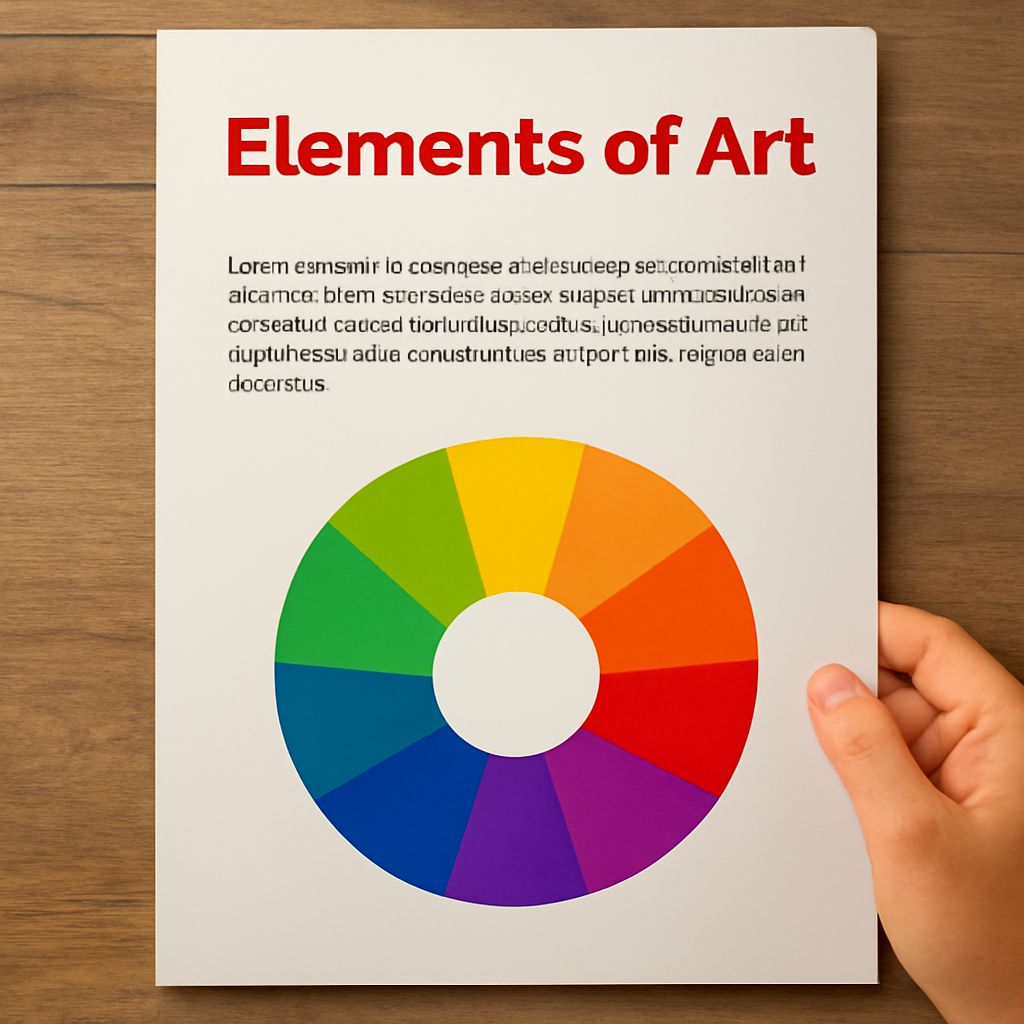
The color element of art refers to the use of hue, value, and intensity to create visual interest and convey emotions. Artists manipulate colors to establish mood, highlight focal points, and even tell stories. The strategic use of color can transform a simple drawing into a masterpiece, making it essential for both beginners and seasoned artists to master this element. Color theory, which includes the color wheel, complementary colors, and color harmony, plays a crucial role in determining how colors are combined and perceived.
Definition of Color in Art
The definition of color in art goes beyond just the visible spectrum. In artistic terms, color encompasses hue (the name of a color), value (the lightness or darkness of a color), and intensity (the brightness or dullness). These properties allow artists to create depth, contrast, and focus within their work. Understanding these elements helps artists select the perfect palette for their art, ensuring that every shade and tint contributes meaningfully to the overall composition.
Importance of Color in Artistic Expression
Color is not just a visual experience; it’s an emotional one. The use of color in art is pivotal in expressing ideas and emotions, influencing the viewer’s perception. Artists use warm colors like red, yellow, and orange to evoke warmth and energy, while cool colors like blue and green can create calmness and serenity. The cultural and psychological associations of colors further amplify their impact. For instance, black might symbolize mourning in one culture but elegance and formality in another.
Examples of Color in Art
Historical Examples
Throughout history, artists have used color to leave lasting impacts. Consider Vincent van Gogh’s “Starry Night,” where swirling blues and vibrant yellows create a sense of movement and emotion. The use of color in art like this demonstrates how specific hues can evoke particular moods and interpretations.
Modern Examples
In modern art, color continues to play a critical role. Mark Rothko’s large fields of color aim to elicit emotional responses, using simple compositions to delve into complex themes. His paintings are prime examples of how modern artists utilize the color element of art to focus on the emotions conveyed through color alone.
Digital Art Examples
With the rise of digital art, the influence of color has expanded even further. Digital artists like Beeple use vivid and dynamic palettes to create immersive experiences. The flexibility of digital media allows artists to experiment with countless color combinations, showcasing the evolving nature of color in art.
How to Use Color Effectively in Illustration
To harness the power of color in your illustrations, start by understanding the basics of color theory. Familiarize yourself with the color wheel and practice using complementary colors to create contrast and tension. Experiment with monochromatic schemes for harmony or analogous colors for a more subtle and cohesive look.
Consider the emotions you want to evoke in your audience. Use warm colors to energize or cool colors to soothe, aligning your palette with the narrative you’re illustrating. Remember that the color element of art is not just about choosing pretty colors; it’s about selecting hues with purpose and intent.
Key Takeaways
The color element of art is a powerful tool for communicating emotion and meaning. By understanding and applying color theory, you can enhance your artistic expressions and create impactful visuals. Explore the vast possibilities of color, and let it guide the emotional journey of your artwork.