Have you ever stood before a Rothko painting and felt enveloped by its profound simplicity? Rothko paintings, especially his watercolor art, offer a unique experience that captivates audiences with their layered colors and subtle transitions. But what lies behind these mesmerizing works of art, and how did Mark Rothko’s approach to watercolor differ from his other techniques? In this exploration, you’ll discover how Rothko art has left an indelible mark on modern artistic expression and continues to inspire both artists and admirers alike.
The Origins of Rothko’s Watercolor Art
Understanding the genesis of Rothko’s watercolor art requires a look back at his early career. As a young artist, Mark Rothko experimented with various mediums, but it was watercolor that allowed him to express the fluidity and depth he sought. Unlike oil paints, watercolor enabled him to layer translucent colors, creating a sense of depth and vibrancy that would become a hallmark of his style. His use of watercolor was not merely a technical choice but a deliberate artistic statement.
Rothko’s attraction to watercolor can be seen as a reflection of his desire to convey emotion through color. He often stated that his goal was to elicit an emotional response from the viewer, and the translucency of watercolor offered the perfect medium for this purpose. His early works in watercolor laid the groundwork for the more complex compositions that would define Rothko art in later years.
Key Characteristics of Rothko Paintings
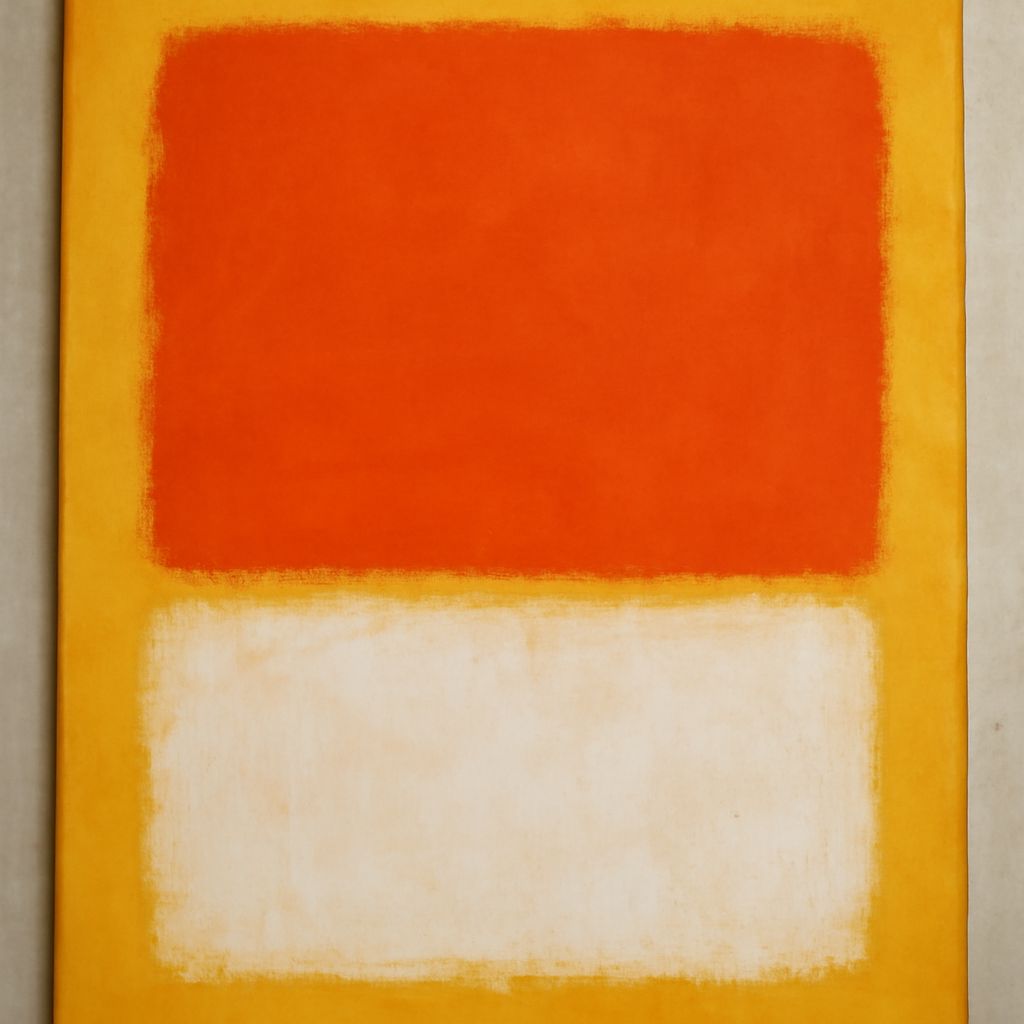
Rothko paintings are characterized by their simplicity and emotional depth. One of the most distinctive features of his work is the use of large, rectangular fields of color that seem to float on the canvas. This technique is evident in his watercolor pieces, where he often layered colors to create a luminous effect. The soft edges and seamless blending of hues are trademarks of his watercolor art.
In addition to color, Rothko’s use of scale is a crucial aspect of his paintings. His large canvases are designed to create an immersive experience, drawing the viewer into a contemplative space. The subtle interplay between colors and the vastness of the canvas invites introspection, making Rothko paintings a deeply personal experience for each observer.
Influences on Rothko Art
Mark Rothko’s art was influenced by a variety of sources, ranging from mythology to psychology. He was deeply inspired by the works of Nietzsche and Jung, which emphasized the importance of the subconscious and the collective human experience. These philosophical ideas permeated his art, encouraging viewers to reflect on their own emotions and thoughts as they engage with his work.
Moreover, Rothko’s exposure to the European avant-garde movement also shaped his style. The abstraction and emphasis on color seen in Rothko art can be linked to the influence of artists such as Matisse and Bonnard. These inspirations helped Rothko develop a unique visual language that communicated universal themes of human emotion and experience.
The Impact of Rothko’s Watercolors on Modern Art
Rothko’s watercolors have had a significant impact on modern art, influencing countless artists across various disciplines. His innovative use of color and minimalist compositions paved the way for new forms of expression in abstract art. Many contemporary artists have drawn inspiration from Rothko’s ability to convey profound emotion through seemingly simple color fields.
Furthermore, Rothko paintings have encouraged a more introspective approach to art appreciation. By focusing on the emotional resonance of color, Rothko challenged traditional notions of art as mere representation, inspiring a generation of artists to explore the deeper psychological and emotional aspects of their work.
How to Appreciate Rothko Paintings
To truly appreciate Rothko paintings, it’s essential to approach them with an open mind and a willingness to engage emotionally. Stand before the artwork and allow yourself to be absorbed by its colors and scale. Consider the emotions that arise as you gaze at the shifting hues and subtle variations within the composition.
It’s also helpful to consider the context in which Rothko created his art. Understanding his influences and intentions can provide deeper insight into the emotional power of his work. Remember that Rothko art is not about literal interpretation but rather an invitation to explore your own emotions and reactions.
As you delve into the world of Rothko’s watercolors, you’ll discover a rich tapestry of color and emotion that continues to captivate and inspire. Whether you’re new to his work or a long-time admirer, Rothko paintings offer a timeless exploration of the human condition through the delicate medium of watercolor.