Have you ever wondered what makes ancient Celtic art so captivating? Perhaps it’s the intricate designs and rich symbolism that weave together stories of a bygone era. Today, we’re diving into the depths of Celtic art and its influence on modern digital illustration. As you explore this artistic realm, you’ll discover how ancient Celtic art continues to inspire and evolve, leaving its mark on contemporary creative expressions.
The Origins and Evolution of Ancient Celtic Art
Celtic art traces its roots back to the Iron Age, around 1000 BCE, when the Celts inhabited regions of what are now modern-day Ireland, Scotland, and parts of Europe. This art form is characterized by its interlacing patterns, knotwork, and spirals, all of which hold significant cultural and religious meanings. As you delve into ancient Gaelic art, you’ll notice how these motifs evolved over centuries, influenced by interactions with other cultures and the changing landscape of Europe.
During the early periods, Celtic artisans produced metalwork, stone carvings, and illuminated manuscripts, such as the Book of Kells, which remains a quintessential example of this era’s artistic prowess. The evolution of Celtic art is not just a linear progression but rather a testament to the Celts’ adaptability and openness to external influences while maintaining their distinct artistic identity.
Symbolism in Celtic and Gaelic Art
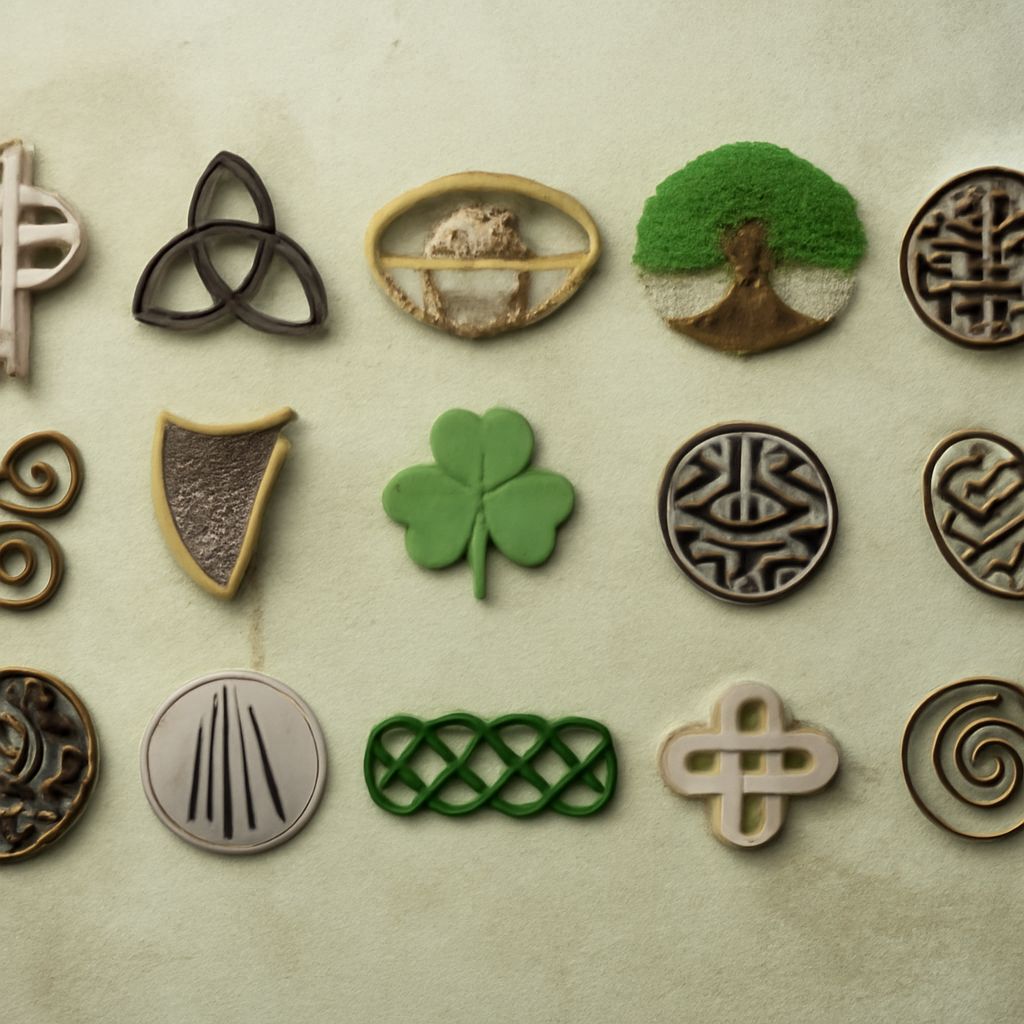
One of the most fascinating aspects of Celtic and Gaelic art is its rich symbolism. Each design element, whether it’s a simple knot or a complex spiral, holds profound meaning. For instance, the triskelion, a motif featuring three interlocked spirals, symbolizes the concept of triplicity, reflecting themes such as land, sea, and sky or life, death, and rebirth. As you engage with these symbols, you unlock a deeper understanding of the Celts’ worldview and spiritual beliefs.
Additionally, the use of animals in Celtic art, such as the stag or the boar, often represents qualities like courage or leadership. These symbols transcend mere decoration and offer insights into the cultural narratives and values of ancient Gaelic societies. Understanding the symbolism in Celtic art allows you to appreciate its depth and meaning, making it a timeless source of inspiration for artists today.
Celtic Art in Modern Digital Illustration
In the realm of modern digital illustration, Celtic art has found a new lease on life. Artists and designers draw inspiration from ancient motifs, infusing them with contemporary flair to create unique and vibrant pieces. As you explore digital illustrations, you’ll notice how ancient Celtic art influences modern aesthetics, adding depth and cultural richness to visual storytelling.
Digital platforms provide artists with the tools to experiment with colors, patterns, and textures, transforming traditional designs into dynamic digital compositions. This fusion of past and present not only preserves the legacy of Celtic art but also pushes its boundaries, allowing new interpretations and expressions to flourish. Whether you’re a professional illustrator or an enthusiast, the integration of Celtic elements in digital art offers a rich tapestry of possibilities.
Techniques for Creating Digital Celtic Art
Creating digital Celtic art requires a blend of traditional knowledge and modern technological skills. To begin, familiarize yourself with classic Celtic motifs and their meanings. Understanding the intricacies of these designs ensures that your artwork remains authentic and respectful of its origins.
Next, choose digital tools that can effectively replicate the detailed lines and complex patterns typical of Celtic art. Software like Adobe Illustrator or Procreate provides a versatile canvas for experimenting with different styles and techniques. As you work on your digital piece, consider incorporating layers to add depth and dimension, mirroring the complexity found in ancient artworks.
Don’t be afraid to innovate by blending contemporary elements with traditional designs. This approach not only keeps the art form alive but also allows you to express your unique artistic voice. By using these techniques, you contribute to the ongoing evolution of Celtic art in the digital age.
Inspiring Examples of Digital Celtic Art
Exploring examples of digital Celtic art can spark your creativity and inspire your artistic journey. Numerous artists have made their mark by integrating Celtic themes into their digital creations, showcasing the versatility and timeless appeal of this art form.
Take, for instance, the work of modern illustrators who incorporate Celtic knots into graphic designs for branding, tattoos, or even virtual reality environments. These artists skillfully blend ancient motifs with cutting-edge techniques, resulting in visually stunning pieces that resonate with audiences worldwide.
Another inspiring example is the use of Celtic patterns in digital animations and video games. These art forms bring to life the dynamic and fluid nature of Celtic designs, creating immersive experiences that capture the imagination. By drawing inspiration from these examples, you can explore new avenues for incorporating ancient Celtic art into your digital projects.
As you continue your exploration of Celtic art and its influence on modern digital illustration, remember that you are part of a larger artistic legacy. By understanding its origins, symbolism, and contemporary applications, you not only preserve this rich heritage but also contribute to its future evolution. Embrace the timeless beauty of Celtic art and let it inspire your creative endeavors.