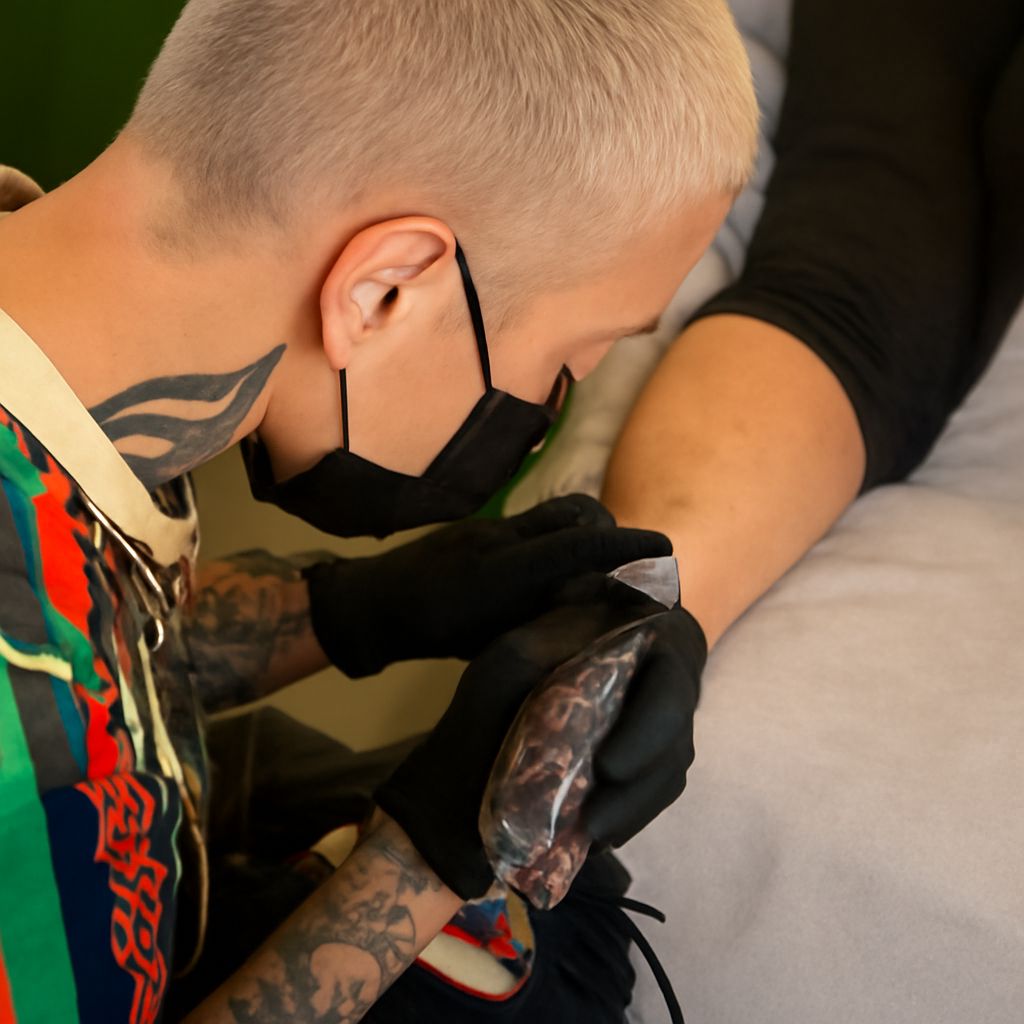
Have you ever admired the fluid beauty of a watercolor tattoo and wondered how to keep that striking vibrancy intact? Watercolor tattoos are a captivating form of body art, celebrated for their ethereal, painterly quality. However, a common concern for tattoo enthusiasts is how watercolor tattoos fade over time. Ensuring your watercolor tattoo maintains its brilliance requires understanding its unique qualities and how to care for your ink effectively.
Many people fear ending up with a bad watercolor tattoo outcome because they lack essential care knowledge. In this guide, we will delve into the intricacies of healed watercolor tattoos, explore why fading occurs, and share expert tips to keep your tattoo looking vivid and fresh for years to come. Let’s dive into this colorful world!
Introduction to Watercolor Tattoos
Watercolor tattoos mimic the subtle blends and shades of watercolor paintings. Unlike traditional tattoos that rely on bold outlines and shading, watercolor tattoos often forgo these, opting instead for soft gradients and washes of color. The artistry involved in creating these tattoos requires a skillful hand and a deep understanding of color blending and skin depth.
These tattoos have gained popularity for their aesthetic appeal and uniqueness. However, they come with their own set of challenges, primarily regarding longevity and vibrancy. Whether you’re a seasoned tattoo enthusiast or considering your first piece, understanding these challenges is crucial for a successful tattoo experience.
Understanding the Healed Watercolor Tattoo
Once a watercolor tattoo heals, it reveals its true potential. The healing process is vital as it determines how colors settle into your skin. A well-healed watercolor tattoo showcases a seamless blend of colors, resembling brush strokes on a canvas. The healing phase, typically lasting a few weeks, is when the ink sets and becomes a permanent part of your skin.
During this period, your tattoo is most vulnerable to external factors such as sunlight, friction, and improper care. Protecting your tattoo during healing can significantly affect the final appearance. Proper care includes avoiding sun exposure, refraining from scratching or picking the tattoo, and keeping it moisturized with recommended ointments.
Why Watercolor Tattoos Fade
Watercolor tattoos fade more noticeably than their traditional counterparts for several reasons. Firstly, the lack of black outlines, which help traditional tattoos maintain their shape and contrast, means that colors are more prone to blending into the skin over time. Additionally, watercolor techniques often employ lighter colors that inherently have less staying power.
Environmental factors also contribute to fading. Sun exposure is a significant culprit; UV rays break down the ink particles, causing them to dissipate. Other factors include skin type and placement of the tattoo, as areas with more friction, like the hands and feet, will experience faster fading.
Common Issues: Bad Watercolor Tattoo Outcomes
While watercolor tattoos are stunning, there is a risk of ending up with a bad watercolor tattoo if proper care and expertise are not applied. Common issues include colors blending indistinctly, resulting in muddied hues, or a lack of contrast, making the design hard to discern.
Choosing an inexperienced tattoo artist can also lead to poor outcomes. Not all artists are familiar with the watercolor technique, which requires a different approach than traditional tattooing. It’s crucial to select a tattooist with a strong portfolio of watercolor work and an understanding of how colors behave on the skin.
Tips to Prevent Fading and Maintain Vibrancy
Preventing your watercolor tattoo from fading and maintaining its vibrancy starts with choosing a reputable artist experienced in the watercolor technique. Look for reviews and seek recommendations to find someone who can deliver the stunning results you desire.
Once your tattoo is complete, diligent aftercare is essential. Apply sunscreen regularly, even after the tattoo has healed, to protect against UV damage. Keep your tattoo moisturized with a suitable lotion to maintain skin health and color longevity. Avoid prolonged exposure to water, such as swimming for extended periods, which can accelerate fading.
Regular touch-ups may also be necessary to keep your tattoo looking fresh. Consult with your artist about their policy on touch-ups and how often they recommend them for your specific design.
Conclusion: Embracing the Art of Watercolor Tattoos
Embracing the art of watercolor tattoos means accepting both their beauty and the care they require. While watercolor tattoos fade over time, understanding the factors that contribute to this and taking preventative measures can help preserve their splendor. A well-executed and well-maintained watercolor tattoo can be a testament to both your personal style and the skill of your artist.
Pro tips recap: Choose an experienced watercolor tattoo artist, practice meticulous aftercare including sunscreen use, and be prepared for regular touch-ups to maintain vibrancy. With these steps, your tattoo can remain a vibrant piece of art, reflecting the fluid style of watercolor painting.